I was standing in my kitchen at 6:45 PM, staring into the refrigerator like it might magically produce a fully cooked meal if I just squinted hard enough. It was one of those weeks where work ran late, the grocery run got skipped, and my energy levels were hovering somewhere around “zombie.” The usual go-to meals felt like too much effort, but the thought of waiting 45 minutes for delivery while my stomach growled was even worse.
That’s when I saw it: a single fillet of salmon in the back, looking slightly lonely, and a bottle of Dijon mustard that had been collecting dust since last Thanksgiving. I also had some maple syrup left from making pancakes over the weekend. I didn’t have high expectations. I honestly thought it would be a weird sweet-and-savory clash that I’d have to scrape into the trash.
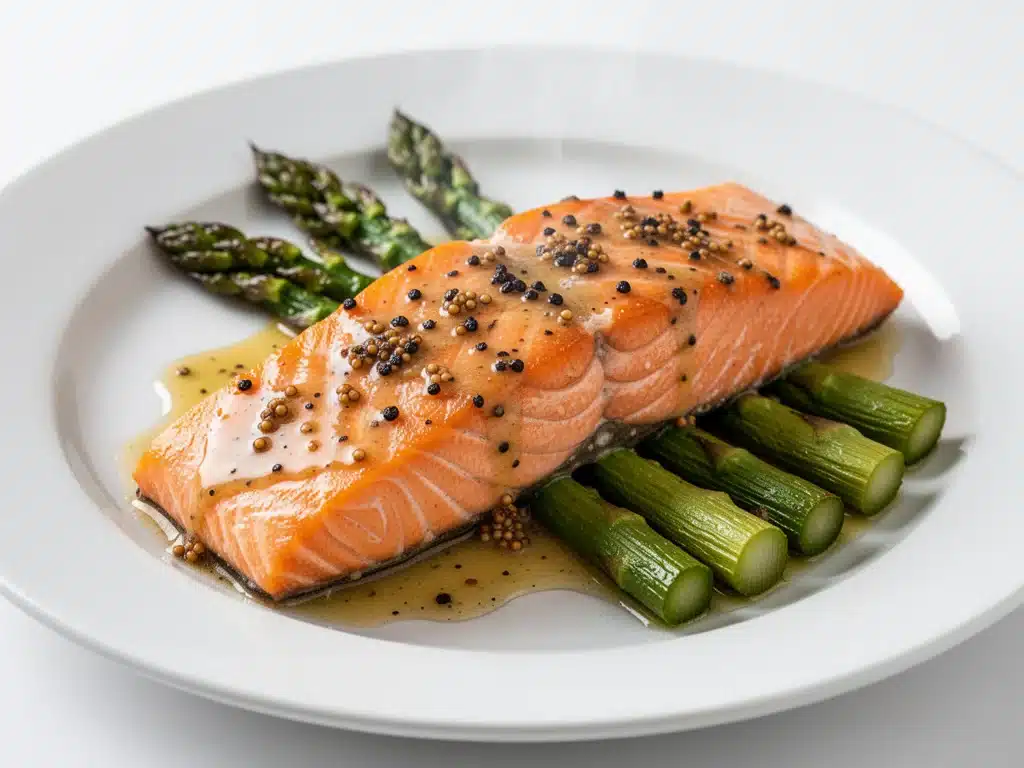
But then I threw it in the oven for just 15 minutes. And that’s when the smell hit me. It wasn’t just “fishy.” It was sweet, tangy, warm, and absolutely incredible. I took one bite and immediately forgot I was tired. I scraped the pan clean. My kids, who usually pick at anything with a strong flavor, asked for seconds.
That accidental dinner turned into a permanent fixture in our weekly rotation. This Maple Dijon Baked Salmon is now my secret weapon for those “I have nothing left in me but still need to eat healthy” nights. It’s genuinely a 20-minute meal from start to finish, requires only one baking sheet, and tastes like you spent hours marinating it (even though you don’t have time). I’ve made this at least thirty times in the last year, tweaking the ratios until it was perfect. And let me tell you, it’s perfect.
Why You’ll Love This Recipe
There are about ten reasons I keep coming back to this salmon, but here are the big ones that actually matter when you’re trying to get dinner on the table without losing your mind.
Stupid Simple — Seriously, if you can pour syrup and spread mustard, you can make this. There’s no fancy technique, no skill required. I’ve walked my teenage son through it over FaceTime, and he nailed it on the first try.
Lightning Fast — 20 minutes from start to finish. I’m talking 5 minutes of prep and 15 minutes in the oven. I make this on weeknights when I walk in the door at 6:30 PM and need to be eating by 7:00 PM.
One Pan Wonder — I line my baking sheet with parchment paper or foil, and cleanup is a 10-second rinse. No scrubbing stuck-on fish grease. This matters more than you think on a Tuesday.
Healthy Without Being Boring — It’s packed with protein and omega-3s, but it doesn’t taste like “diet food.” The maple and Dijon create a glaze that feels indulgent, not restrictive. My husband, who usually complains about “rabbit food,” loves this.
Meal Prep Friendly — It actually reheats well. I’ll bake a double batch on Sunday, store it in the fridge, and it’s great cold in a salad or warmed up over rice during the week. The flavors actually deepen after a day in the fridge.
This is my go-to when I need dinner to just work. No complicated techniques, no weird ingredients, just reliable, delicious food that makes everyone happy.
Ingredients You’ll Need
Here’s the best part: you probably have most of this already. This isn’t a recipe that requires a special trip to the store. It’s pantry-friendly and simple.
For the Salmon
Salmon fillets (4 pieces, about 6 ounces each / 170g each) — I prefer center-cut fillets because they cook evenly. Wild-caught is better for flavor, but farmed works fine if that’s what’s on sale. Just make sure they’re roughly the same thickness so they cook at the same rate. If one piece is tiny and another is huge, you’ll have to eyeball it.
Maple syrup (¼ cup / 60ml) — Not pancake syrup. Real maple syrup. Look for the label that says “100% Pure Maple Syrup.” The dark grade (Grade B) has a stronger, more robust flavor that stands up to the mustard better. If you only have Grade A (light), it’ll still work, just a bit sweeter.
Dijon mustard (2 tablespoons / 30g) — This is the star. Don’t use yellow mustard or spicy brown. Dijon has that sharp, tangy kick that cuts through the sweetness. I use Grey Poupon or any good quality whole-grain Dijon. If you want a bit more texture, whole-grain is great. If you prefer smooth, classic Dijon works too.
Garlic (3 cloves, minced / about 1 tablespoon) — Fresh only. No jarred garlic here. It makes a huge difference in the flavor profile. Mince it fine so it doesn’t burn in the oven.
Olive oil (1 tablespoon / 15ml) — Just a light drizzle to help the glaze stick and keep the salmon moist. Extra virgin is fine, but I usually save my good oil for salads and use regular olive oil for cooking.
Black pepper (½ teaspoon / freshly cracked) — Freshly cracked is best. Pre-ground pepper loses its punch quickly.
Salt (½ teaspoon / to taste) — Kosher salt is my go-to. It’s easier to control the amount. If you use table salt, use less, as it’s saltier by volume.
For Garnish (Optional but Recommended)
Fresh lemon (1 lemon, cut into wedges) — A squeeze of fresh lemon right before eating brightens everything up. It’s the secret to balancing the sweet and savory.
Fresh parsley or dill (2 tablespoons, chopped) — Adds a pop of color and freshness. Dill is classic with salmon, but parsley is milder and kid-friendly.
Red pepper flakes (½ teaspoon) — If you like a little heat, these add a nice background warmth that complements the maple.
Equipment Needed
You don’t need fancy equipment for this. Here’s what I actually use.
Baking sheet — A standard 13×18 inch rimmed baking sheet. I use a dark metal one because it browns the glaze nicely, but light-colored or non-stick works too. Just watch it closely so the sugar doesn’t burn.
Parchment paper or aluminum foil — Line your baking sheet! This is non-negotiable for easy cleanup. The maple syrup will caramelize and stick. Parchment is my preference because nothing sticks to it, but foil is fine if you grease it lightly.
Small mixing bowl — For whisking the glaze together. A ramekin or even a large mug works if you don’t want to use a bowl.
Whisk or fork — To emulsify the oil and maple syrup so they don’t separate.
Spatula — A flexible silicone spatula is best for spreading the glaze and flipping the salmon if needed.
Instant-read thermometer — Not strictly necessary if you’re good at eyeballing it, but this is the only way to guarantee perfectly cooked salmon every time. I keep one in my drawer and use it constantly.
How to Make It: Step-by-Step
Alright, let’s make this! I’m walking you through exactly how I do it, including the little tricks I’ve picked up over the years.
Step 1: Prep Your Oven and Pan (2 minutes)
Preheat your oven to 400°F (200°C). This needs to be hot enough to cook the salmon quickly and caramelize the glaze without drying it out. While it heats, line your baking sheet with parchment paper or foil. I usually spray the foil with a little non-stick cooking spray just to be safe, though the oil in the glaze usually does the job.
Step 2: Make the Glaze (2 minutes)
In a small bowl, combine the maple syrup, Dijon mustard, minced garlic, olive oil, black pepper, and half of the salt. Whisk it together until it’s smooth and combined. It should look like a thick, glossy sauce. Taste it—it should be sweet, tangy, and slightly spicy. Adjust if needed, but this ratio is pretty solid.
Step 3: Prep the Salmon (2 minutes)
Pat the salmon fillets dry with paper towels. This seems minor, but removing excess moisture helps the glaze stick better and prevents steaming. Place the fillets on the prepared baking sheet, leaving a little space between them. Season the tops lightly with the remaining salt.
Step 4: Glaze and Bake (15 minutes)
Using a spoon or spatula, spread the glaze evenly over the top of each salmon fillet. Make sure you get it on the sides too, if you’re feeling fancy. Put the baking sheet in the oven and bake for 12-15 minutes.
Here’s the key: check the salmon at 12 minutes. The salmon is done when it flakes easily with a fork and is opaque throughout. If you have an instant-read thermometer, you’re looking for an internal temperature of 125°F (52°C) for medium-rare (which I prefer) or 140°F (60°C) for well-done. Don’t overcook it! Salmon continues to cook a bit after you take it out, so pull it when it’s just barely done.
Step 5: Rest and Serve (2 minutes)
Remove the salmon from the oven and let it rest for 2-3 minutes. This allows the juices to redistribute. Sprinkle with fresh parsley or dill and serve immediately with lemon wedges on the side. The glaze will have bubbled and caramelized slightly in the oven, creating little crispy edges that are delicious.
Total Time: About 20 minutes (5 minutes prep, 15 minutes cooking)
Expert Tips & Tricks
Here’s everything I’ve learned from making this dozens of times. These tips will save you from my mistakes.
Don’t Overcook It — This is the #1 mistake people make with salmon. It goes from perfect to dry in about 60 seconds. If you’re unsure, err on the side of undercooked. It’s better to finish it in the residual heat of the pan than to have rubbery fish. My rule of thumb: if it flakes easily, it’s done.
Use Real Maple Syrup — I cannot stress this enough. The fake “pancake syrup” stuff is mostly corn syrup and artificial flavor. It will taste flat and chemical-like. Real maple syrup has depth and complexity that elevates the whole dish.
Pat the Salmon Dry — I know it’s tedious, but wet salmon doesn’t get a good glaze. It just gets soggy. Take the extra 30 seconds to pat it dry.
Uniform Thickness — If your fillets are very uneven in thickness, you can fold the thinner tail end under itself to create a more uniform shape. This ensures everything cooks at the same rate.
Garlic Matters — Minced garlic burns easily. If your oven runs hot, keep an eye on it. If you’re worried, you can mix the garlic into the glaze well and not put too much directly on the top edge of the fish.
Pro Trick: Broil for the Finish — If you want extra caramelization, switch your oven to broil for the last 1-2 minutes of cooking. Watch it like a hawk! Sugar burns fast. This gives you that sticky, BBQ-like glaze texture.
Variations & Substitutions
Once you’ve nailed the basic version, here’s how you can mix it up. I’ve tried all of these.
Honey Mustard Version — Swap the maple syrup for honey. It’s slightly less complex but still delicious. Great for kids who prefer milder sweetness.
Spicy Maple — Add ½ teaspoon of cayenne pepper or 1 teaspoon of sriracha to the glaze. It adds a nice kick that balances the sweetness. This is my favorite for date night.
Herb Crusted — Mix 1 teaspoon of dried thyme or rosemary into the glaze. Herbs pair beautifully with salmon and add an earthy note.
Asian-Inspired Twist — Swap the Dijon for soy sauce (use tamari for gluten-free) and add a teaspoon of grated ginger. It’s a completely different flavor profile but uses the same method.
Dietary Modifications:
- Gluten-Free: Use tamari instead of any soy-based ingredients (if using the Asian variation) and ensure your Dijon is certified GF (most are, but check labels).
- Dairy-Free: This recipe is naturally dairy-free. Just double-check your mustard and maple syrup for hidden dairy additives (rare, but possible in some brands).
- Paleo: Use pure maple syrup and Dijon (check for sugar in mustard, some brands add it). This fits paleo guidelines.
Serving & Storage
How to Serve: I usually serve this straight from the baking sheet at the dinner table—it looks rustic and stays warm. But here are other ways I’ve enjoyed it:
Side Dishes:
- Roasted asparagus or broccoli (just toss them on the baking sheet with the salmon for the last 10 minutes)
- Quinoa or brown rice (soaks up the leftover glaze)
- Simple green salad with a vinaigrette
- Garlic mashed potatoes (classic comfort combo)
Storage Instructions:
Refrigerator: Store leftovers in an airtight container for up to 3 days. The salmon will hold up well, though it’s best eaten cold or at room temperature in salads. If you reheat it, do so gently.
Reheating: The best method is to eat it cold or let it come to room temperature. If you must heat it, use a microwave at 50% power for 30-second intervals. High heat will dry it out instantly. Alternatively, reheat it gently in a skillet with a splash of water.
Freezing: I don’t recommend freezing baked salmon. The texture changes and it becomes mushy. It’s best eaten fresh.
Nutrition Information
I’m not a nutritionist, but here’s the breakdown if you’re tracking. This is per serving (based on 4 servings).
| Nutrient | Amount |
|---|---|
| Calories | 320 |
| Protein | 34g |
| Carbs | 12g |
| Fiber | 0g |
| Sugar | 10g |
| Fat | 16g |
| Saturated Fat | 3g |
| Sodium | 450mg |
What’s Good: High in protein and omega-3 fatty acids. Low in carbs. The sugar comes from the maple syrup, but it’s natural and accompanied by protein and fat, which slows absorption.
What to Know: Higher in sodium due to the mustard and salt. If you’re watching sodium, use low-sodium Dijon and reduce the added salt.
My Take: Look, this is a healthy dinner with a sweet glaze. It’s not a diet recipe, but it’s way better than takeout. I focus on the quality of the salmon and the simplicity of the ingredients. When I want to make it lighter, I use less maple syrup and load up on vegetables.
Final Thoughts
So that’s my go-to Maple Dijon Baked Salmon! I’ve probably talked your ear off at this point, but when you make a recipe this often, you have a lot to say about it.
This has saved weeknight dinners more times than I can count. It’s my answer to “what’s for dinner” when I’m tired, don’t want takeout, and still want something that tastes really good. My kids are happy, my husband’s happy, and I’m happy because I’m not stressed about cooking.
Make it yours! Try different herbs, adjust the spice level, or serve it with different sides. The best recipes are the ones you adapt to your family’s tastes.
If you make this, drop a comment and let me know what you think! I love hearing how recipes turn out in your kitchen. And if something doesn’t work, tell me that too—I’m here to help troubleshoot.
Happy cooking! And I hope your kitchen smells half as good as mine does right now.
Frequently Asked Questions
Can I use frozen salmon?
Yes, but you need to thaw it completely first. Pat it very dry before cooking. Frozen salmon often has more moisture, which can prevent the glaze from sticking. If you’re in a rush, you can cook it from frozen, but it will take 5-7 minutes longer, and the texture might be slightly softer. I prefer fresh whenever possible.
Why did my salmon stick to the pan?
This usually happens if the pan wasn’t lined properly or if the salmon wasn’t dry enough. Always line your baking sheet with parchment or foil. Also, make sure to pat the salmon dry before adding the glaze. If you’re using foil, a light spray of non-stick cooking spray helps too.
Can I make this in the air fryer?
Absolutely! Air fryer salmon is fantastic. Cook at 400°F (200°C) for 8-10 minutes. Check at 8 minutes because air fryers cook faster and vary by model. The glaze might drip down, so line the basket with parchment if you can.
Is this recipe gluten-free?
Yes, naturally! Just double-check your Dijon mustard. Most Dijon mustards are gluten-free, but some brands might add thickeners or stabilizers that contain gluten. Look for a certified gluten-free label if you’re sensitive.
How do I know when the salmon is done?
The easiest way is the fork test. Gently press a fork into the thickest part of the fillet. If it flakes easily and is opaque throughout, it’s done. If you see translucent, raw-looking spots in the center, it needs a bit more time. For precision, use an instant-read thermometer: 125°F for medium-rare, 140°F for well-done.
Can I double this recipe for a dinner party?
Yes! Just make sure you have a large enough baking sheet or use two sheets. Don’t overcrowd the pan, or the salmon will steam instead of bake. If you’re using two sheets, you might need to rotate them halfway through cooking for even browning.
Pin This Recipe!
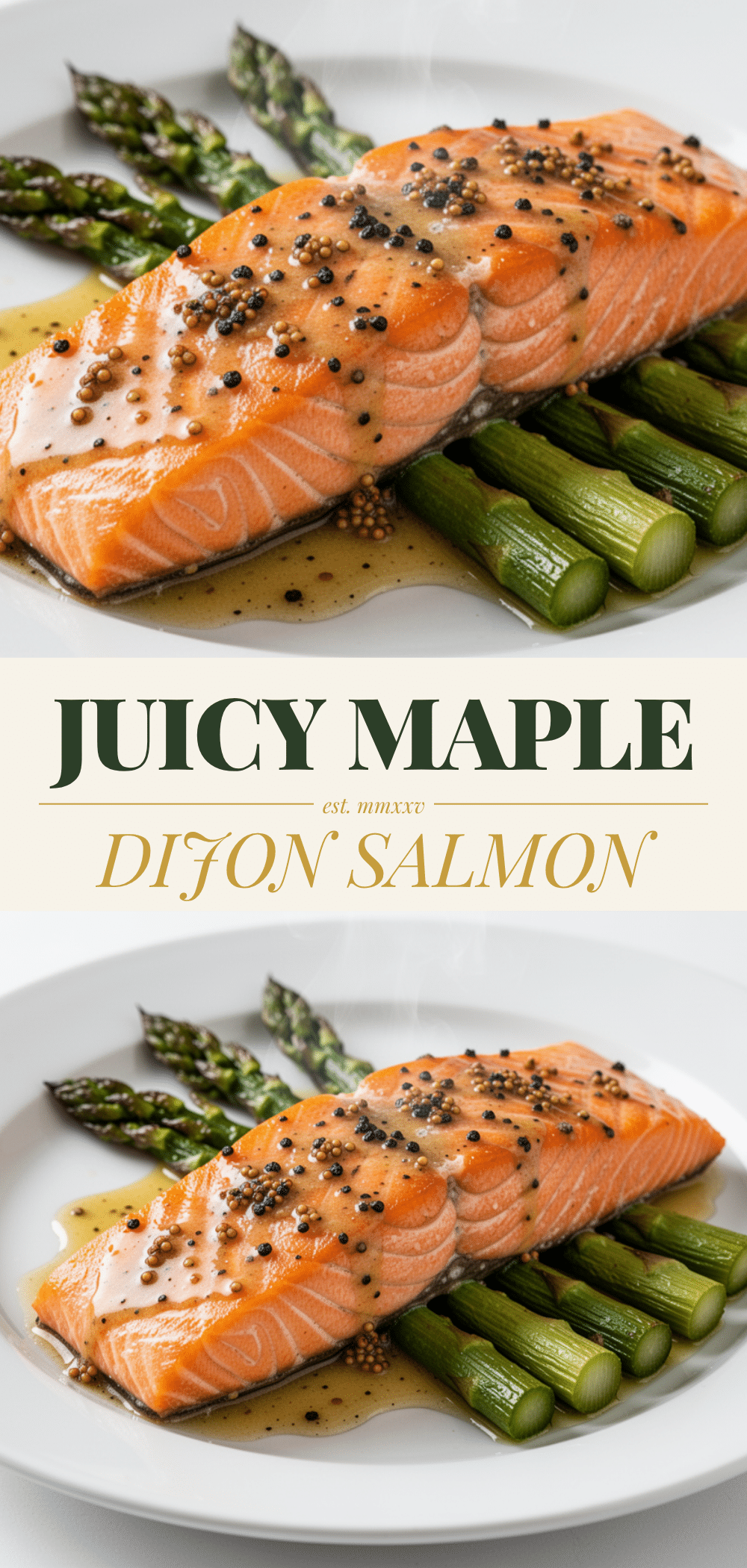
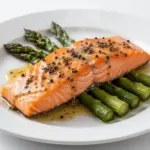
Maple Dijon Baked Salmon: Quick 20-Min Healthy Dinner
- Total Time: 20 minutes
- Yield: 4 servings 1x
Description
A quick and easy 20-minute baked salmon recipe featuring a sweet and tangy maple Dijon glaze. This one-pan meal is perfect for busy weeknights, requiring minimal prep and offering healthy, flavorful results.
Ingredients
- 4 salmon fillets (about 6 ounces each)
- 1/4 cup pure maple syrup
- 2 tablespoons Dijon mustard
- 3 cloves garlic, minced
- 1 tablespoon olive oil
- 1/2 teaspoon freshly cracked black pepper
- 1/2 teaspoon salt (divided)
- 1 lemon, cut into wedges (for garnish)
- 2 tablespoons fresh parsley or dill, chopped (for garnish)
- 1/2 teaspoon red pepper flakes (optional)
Instructions
- Preheat oven to 400°F (200°C). Line a standard 13×18 inch baking sheet with parchment paper or aluminum foil.
- In a small bowl, whisk together maple syrup, Dijon mustard, minced garlic, olive oil, black pepper, and half of the salt until smooth.
- Pat salmon fillets dry with paper towels and place them on the prepared baking sheet. Season tops lightly with remaining salt.
- Spread the glaze evenly over the top of each salmon fillet, ensuring coverage on the sides.
- Bake for 12-15 minutes, or until salmon flakes easily with a fork and reaches an internal temperature of 125°F (medium-rare) to 140°F (well-done).
- Remove from oven and let rest for 2-3 minutes.
- Garnish with fresh herbs and serve immediately with lemon wedges.
Notes
Pat salmon dry before glazing to ensure the sauce sticks and doesn’t steam. Use real maple syrup, not pancake syrup. For extra caramelization, broil for the last 1-2 minutes. Do not overcook salmon as it continues to cook after removal from the oven. Store leftovers in an airtight container for up to 3 days; do not freeze.
- Prep Time: 5 minutes
- Cook Time: 15 minutes
- Category: Main Course
- Cuisine: American
Nutrition
- Serving Size: 1 fillet per serving
- Calories: 320
- Sugar: 10
- Sodium: 450
- Fat: 16
- Saturated Fat: 3
- Carbohydrates: 12
- Protein: 34
Keywords: salmon, baked salmon, maple dijon, healthy dinner, quick meals, weeknight dinner, one pan meal, gluten-free, dairy-free