It was 2:15 PM on a Tuesday, and I was standing in front of my open refrigerator, feeling that familiar wave of regret. Inside sat a Tupperware container of leftover quinoa salad from Monday—a dish I had spent forty-five minutes chopping vegetables for, convinced it would be my new lunchtime savior. It wasn’t. It was cold, soggy, and tasted like regret mixed with wilted spinach.
I closed the fridge, stared at my phone, and opened a food delivery app. But instead of ordering a greasy burger (which I did anyway, out of spite), I paused. I realized I had been failing at the “healthy lunch” game for years because I was treating my midday meal like an afterthought. I was trying to make diet food. And let’s be real: diet food is rarely delicious.
Last month, I decided to stop overthinking it. I wanted something that felt like a treat but didn’t leave me in a food coma by 3 PM. I wanted speed, too, because who has forty-five minutes to chop and cook before heading to a Zoom meeting? That’s when I started making these Teriyaki Salmon Rice Bowls. I’ve made them at least ten times in the last six weeks, and they have completely changed my lunch routine.
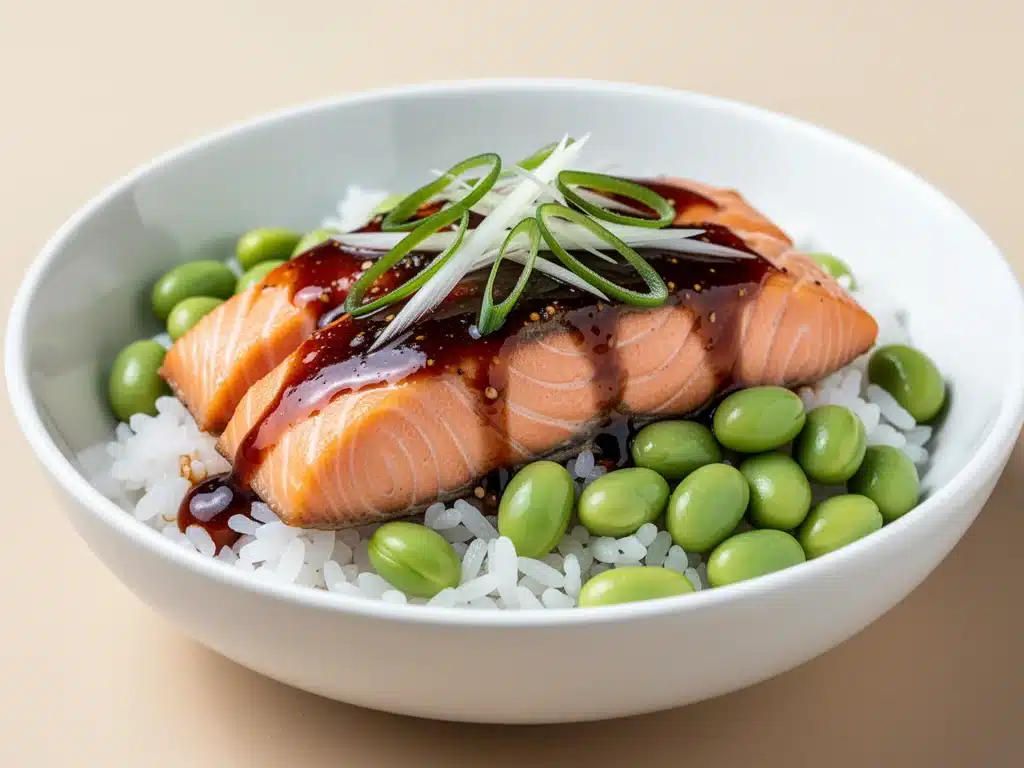
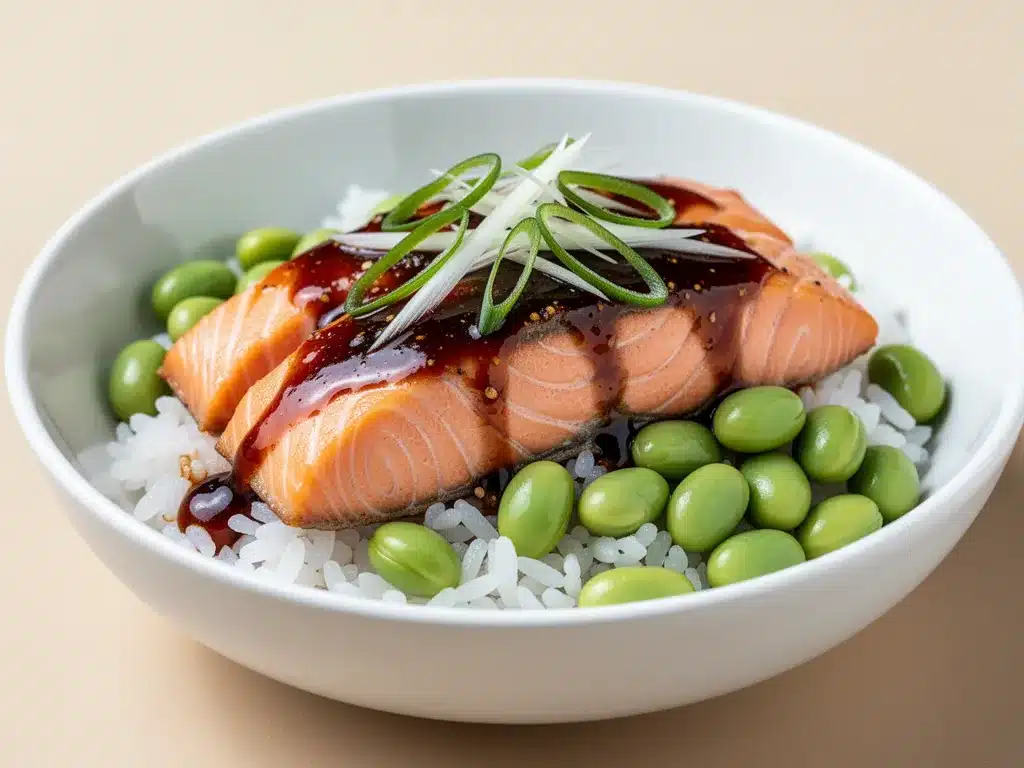
They’re not just “good for lunch.” They’re genuinely restaurant-quality. The glaze is sticky and sweet, the salmon is flaky and rich, and the rice soaks up every drop of that savory sauce. Best of all? You can throw the whole thing together in about twenty minutes. If you’ve been struggling with what to eat when you’re hungry but want to stay on track, this is the recipe you need to bookmark.
Why You’ll Love This Recipe
I’ve tested this Teriyaki Salmon Rice Bowl recipe on everything from chaotic Mondays when I’m running late to lazy Sundays when I just want to relax. It’s become my absolute go-to for several reasons that have nothing to do with just “tasting good.”
- It’s Actually Fast — Seriously. From fridge to plate, it takes 20 minutes. That’s less time than it takes me to scroll through Instagram while waiting for the microwave. The salmon cooks in 8-10 minutes, and the rice can be made in a rice cooker or instant pot while you prep the fish.
- High Protein, Zero Slump — I used to hit a wall around 2 PM every day. The heavy carbs and low protein from my old lunch habits were to blame. This bowl has about 30g of protein from the salmon, which keeps me full and focused for hours. No afternoon crash.
- Uses Simple Ingredients — You don’t need a trip to a specialty Asian market. Soy sauce, ginger, garlic, honey, and salmon are staples I already keep in my kitchen. If you can make a stir-fry, you can make this.
- Meal Prep Friendly — This is the holy grail. I make a batch of salmon and rice on Sunday, and I have lunches for three days. The flavors actually get better after sitting in the fridge overnight. The salmon stays moist if you store it properly (more on that in the storage section).
- Customizable — Hate sesame? Skip it. Love spicy? Add sriracha. Want more veggies? Throw in some edamame or broccoli. This bowl is a blank canvas that respects your preferences.
Real talk: this is the kind of lunch that makes you excited to take your break. It’s warm, it’s flavorful, and it feels like you treated yourself, even though you’re eating healthy. That psychological win matters more than you think.
Ingredients You’ll Need
Here’s the best part: you probably have most of this already. I’m particular about a few things here, and I’ll tell you exactly why they matter for getting that restaurant-quality flavor at home.
For the Salmon
Salmon fillets (4 pieces, about 6oz each / 170g each) — This is the star. Look for wild-caught if you can find it and afford it—it has better flavor and texture. But honestly? Good quality farm-raised works fine too. Just make sure it’s fresh and firm to the touch. Don’t buy it if it smells fishy (in a bad way).
Neutral oil (2 tablespoons / 30ml) — I use avocado oil or canola oil for searing. Olive oil burns too easily at the high heat needed for crispy salmon skin. If you’re using skinless fillets, a little butter at the end adds nice richness.
Salt and black pepper — Season the salmon generously before cooking. I use about ½ teaspoon of kosher salt per fillet. It draws out moisture and helps the crust form.
For the Teriyaki Glaze
Soy sauce (¼ cup / 60ml) — Use low-sodium soy sauce. Regular soy sauce can be incredibly salty, and since we’re adding honey, you want to control the sodium level. Kikkoman is my go-to brand because it’s consistent.
Honey (2 tablespoons / 30ml) — This gives the glaze its sticky sweetness. Maple syrup works as a substitution if you want a vegan version, but the flavor profile shifts slightly. Honey just hits different with salmon.
Rice vinegar (1 tablespoon / 15ml) — This adds the necessary acidity to balance the sweetness. If you don’t have rice vinegar, white wine vinegar works, but avoid apple cider vinegar—it’s too fruity.
Minced fresh ginger (1 teaspoon / 5g) — Fresh is non-negotiable here. Powdered ginger tastes dusty and lacks the bright, spicy kick that makes teriyaki taste like teriyaki. If you must use powdered, use half the amount, but fresh is best.
Minced garlic (2 cloves / about 1 teaspoon) — Don’t skimp on the garlic. It’s the backbone of the savory flavor. Fresh minced garlic is better than jarred, which can taste metallic.
Water (2 tablespoons / 30ml) — This thins out the sauce so it coats the fish evenly without being too thick or syrupy.
For the Bowl Assembly
White rice or sushi rice (2 cups cooked / about 400g) — I prefer sushi rice for its slight stickiness, which helps everything hold together in the bowl. Short-grain brown rice works too if you’re watching carbs, but the texture is chewier. Jasmine rice is okay, but it’s too fluffy and won’t hold the sauce as well.
Green onions (2 stalks, thinly sliced) — For garnish and a fresh, sharp bite. Essential for cutting through the richness of the salmon.
Sesame seeds (1 tablespoon / 5g) — Toasted sesame seeds add a nutty crunch. If you have them, toast them in a dry pan for 2 minutes before using. It makes a huge difference in aroma.
Optional Veggies — Steamed broccoli, edamame, shredded carrots, or cucumber slices. I usually throw in some broccoli because it adds color and nutrients, plus it’s easy to steam while the salmon cooks.
Equipment Needed
You don’t need fancy equipment for this. Here’s what I actually use, and what you can skip.
Non-stick or Cast Iron Skillet — I use a 10-inch non-stick skillet because it’s easy to clean and the salmon doesn’t stick. But honestly? A well-seasoned cast iron skillet gives you the best crust. If you’re a beginner, stick with non-stick to avoid frustration.
Rice Cooker or Medium Saucepan — A rice cooker is ideal for hands-off cooking. If you’re using a saucepan, just make sure it has a tight-fitting lid so the steam stays in.
Small Saucepan or Microwave-Safe Bowl — For heating the teriyaki glaze. I usually heat it in the microwave for 30 seconds to make the honey runny, then whisk it with the other ingredients. Saves time and dirty dishes.
Sharp Knife — For slicing the green onions and, if your salmon fillets are thick, trimming any uneven edges. A dull knife is dangerous and inefficient.
Spatula — A flexible silicone spatula is best for flipping the salmon without breaking the fillets. Metal spatulas can scratch non-stick pans.
Bowls — Large, shallow bowls work best for presentation. They make the dish look like it came from a high-end restaurant.
How to Make It: Step-by-Step
Alright, let’s make this! I’m walking you through exactly how I do it, including the little tricks I’ve picked up so your salmon doesn’t turn out dry or your sauce doesn’t burn.
Step 1: Prep the Rice (15-20 minutes)
Start the rice first because it takes the longest. Rinse 1 cup of sushi rice under cold water until the water runs clear. This removes excess starch and prevents gummy rice. Cook it according to your rice cooker or stovetop instructions. While it cooks, keep it warm. If you’re making this for meal prep, you can cook a bigger batch now.
Step 2: Make the Teriyaki Glaze (2 minutes)
In a small bowl or microwave-safe cup, whisk together the soy sauce, honey, rice vinegar, minced ginger, minced garlic, and water. If using the microwave, heat for 20 seconds to melt the honey, then whisk until smooth. Set aside. It’s that simple. No complex reductions needed for this quick version.
Step 3: Prep the Salmon (3 minutes)
Pat the salmon fillets dry with paper towels. This is crucial! Moisture is the enemy of a good sear. If the salmon is wet, it will steam instead of crisp up. Season both sides with salt and black pepper. If your fillets have skin, make sure the skin is dry too.
Step 4: Sear the Salmon (8-10 minutes)
Heat the oil in your skillet over medium-high heat. Wait until the oil shimmers but isn’t smoking. Place the salmon fillets in the pan, skin-side down if they have skin. Press down gently with your spatula for the first 10 seconds to prevent curling. Cook undisturbed for 4-5 minutes. You want a golden crust. Flip the salmon carefully. It should release easily from the pan if the crust is ready.
Step 5: Glaze the Salmon (2 minutes)
Once flipped, pour half of the teriyaki glaze into the pan around the salmon. Don’t pour it directly on top yet, or it might burn. Let it simmer and bubble for 1-2 minutes. Then, brush the remaining glaze over the top of the salmon. Cook for another minute until the sauce thickens slightly and coats the fish. The sauce should be sticky, not runny. Remove from heat immediately to prevent overcooking.
Step 6: Assemble the Bowls (2 minutes)
Fluff the cooked rice with a fork. Divide the rice among four bowls. Place a piece of glazed salmon on top of each bowl. Spoon any extra sauce from the pan over the salmon. Garnish with sliced green onions and toasted sesame seeds. Add your steamed veggies on the side if you like.
Step 7: Serve Immediately
Eat it while it’s hot. The contrast between the warm rice, the hot salmon, and the fresh veggies is what makes this bowl sing. Add a side of pickled ginger if you want that authentic sushi-restaurant vibe.
Expert Tips & Tricks
Here’s everything I’ve learned from making this dozens of times. These tips will save you from my mistakes.
Don’t Overcook the Salmon — Salmon continues to cook even after you take it out of the pan due to residual heat. I remove it when it’s just barely opaque in the center. It will finish cooking on the plate. Overcooked salmon is dry and rubbery, and no amount of sauce can fix that.
Toast Your Sesame Seeds — I know it’s an extra step, but toasting sesame seeds in a dry pan for 2-3 minutes releases their oils and makes them incredibly aromatic. It’s a small detail that elevates the whole dish.
Use Fresh Ginger and Garlic — I’ve tried using pre-minced jarred versions, and the flavor is just not the same. Fresh ginger has a bright, spicy kick that powdered ginger lacks. It takes 30 seconds to mince, but it’s worth it.
Control the Sauce Thickness — If your sauce is too thin, let it simmer longer. If it’s too thick, add a splash of water. You want a glossy glaze that coats the back of a spoon, not a thick paste or a watery soup.
Keep the Skin On (If You Can) — Salmon skin protects the flesh from drying out and gets crispy when seared. If you hate skin, you can remove it before cooking, but you’ll need to watch the heat more closely to prevent drying.
Variations & Substitutions
Once you’ve nailed the basic version, here’s how you can mix it up. I’ve tried all of these.
Spicy Teriyaki Salmon — Add 1 teaspoon of sriracha or chili flakes to the glaze. It adds a nice heat that cuts through the sweetness. My friend who loves spice always requests this version.
Teriyaki Chicken Bowls — Swap salmon for chicken breast. Chicken takes a bit longer to cook, so slice it into strips and stir-fry it quickly. The glaze works perfectly with chicken too.
Vegetarian Option — Use firm tofu instead of salmon. Press the tofu, cube it, and pan-fry it until crispy. Then glaze it just like the salmon. It’s surprisingly satisfying.
Low-Carb Version — Skip the rice and use cauliflower rice. It’s lighter and works well with the savory sauce. I use pre-riced cauliflower from the store to save time.
Dairy-Free — This recipe is naturally dairy-free, so no changes needed. Just ensure your soy sauce is dairy-free (most are, but check labels).
Serving & Storage
How to Serve: I usually serve these bowls immediately after assembling. They look rustic and beautiful in shallow bowls. Add a side of miso soup or edamame for a complete meal.
Refrigerator: Store leftovers in an airtight container for up to 3 days. The salmon stays moist if you keep the sauce with it. The rice may harden slightly, but it reheats well.
Reheating: Best method: Microwave the rice and salmon separately for 1-2 minutes, adding a splash of water to the rice to keep it moist. Alternatively, reheat in a skillet over low heat with a little water to steam the salmon back to life.
Freezing: I don’t recommend freezing this. The texture of the salmon changes when frozen and thawed, becoming mushy. It’s best eaten fresh.
Nutrition Information
I’m not a nutritionist, but here’s the breakdown if you’re tracking. This is per serving (based on 4 servings).
– Calories: 450
– Protein: 32g
– Carbs: 42g
– Fiber: 2g
– Sugar: 12g
– Fat: 16g
– Saturated Fat: 3g
– Cholesterol: 75mg
– Sodium: 680mg
What’s Good: High protein from salmon, omega-3 fatty acids for brain health, and complex carbs from rice for sustained energy.
What to Know: Sodium content can be high depending on the soy sauce used. Using low-sodium soy sauce helps. The sugar comes from honey, so adjust if you’re watching sugar intake.
Final Thoughts
So that’s my go-to Teriyaki Salmon Rice Bowl! I’ve probably talked your ear off at this point, but when you find a recipe that works this well, you have a lot to say about it.
This has saved my lunch routine more times than I can count. It’s my answer to “what’s for lunch” when I’m tired of salads, don’t want takeout, and still want something that tastes really good. My family is happy, my energy levels are stable, and I’m happy because I’m not stressed about cooking.
Make it yours! Try different veggies, adjust the spice level, or swap the rice. The best recipes are the ones you adapt to your family’s tastes.
If you make this, drop a comment and let me know what you think! I love hearing how recipes turn out in your kitchen. And if something doesn’t work, tell me that too—I’m here to help troubleshoot.
Happy cooking! And I hope your kitchen smells half as good as mine does right now.
Frequently Asked Questions
Q: Can I use frozen salmon?
A: Yes, but you must thaw it completely and pat it very dry. Frozen salmon releases more water, which can make the searing process harder. If you’re in a rush, fresh is better, but frozen works if you take the time to dry it thoroughly.
Q: Why did my salmon stick to the pan?
A: Usually, the pan wasn’t hot enough when you added the fish, or the salmon was wet. Make sure your pan is hot and the oil is shimmering before adding the salmon. Also, don’t try to flip it too early. Let it cook for 4-5 minutes until it releases naturally.
Q: Can I make the glaze ahead of time?
A: Absolutely. Whisk the ingredients together and store in the fridge for up to a week. It might thicken slightly in the fridge, so just microwave it for 10 seconds to loosen it up before using.
Q: What kind of rice is best for this?
A: Sushi rice or short-grain white rice is best because it’s slightly sticky and holds the sauce well. Jasmine rice is too fluffy, and brown rice is too chewy for this specific dish. But if you prefer brown rice, it still tastes good!
Q: How do I keep the salmon moist?
A: Don’t overcook it! Salmon is done when it flakes easily with a fork but is still slightly opaque in the center. It will continue to cook after you remove it from the pan. Also, the glaze helps seal in moisture.
Q: Can I use coconut aminos instead of soy sauce?
A: Yes! Coconut aminos are a great lower-sodium, soy-free alternative. They’re slightly sweeter, so you might want to reduce the honey in the recipe by half.
Pin This Recipe!
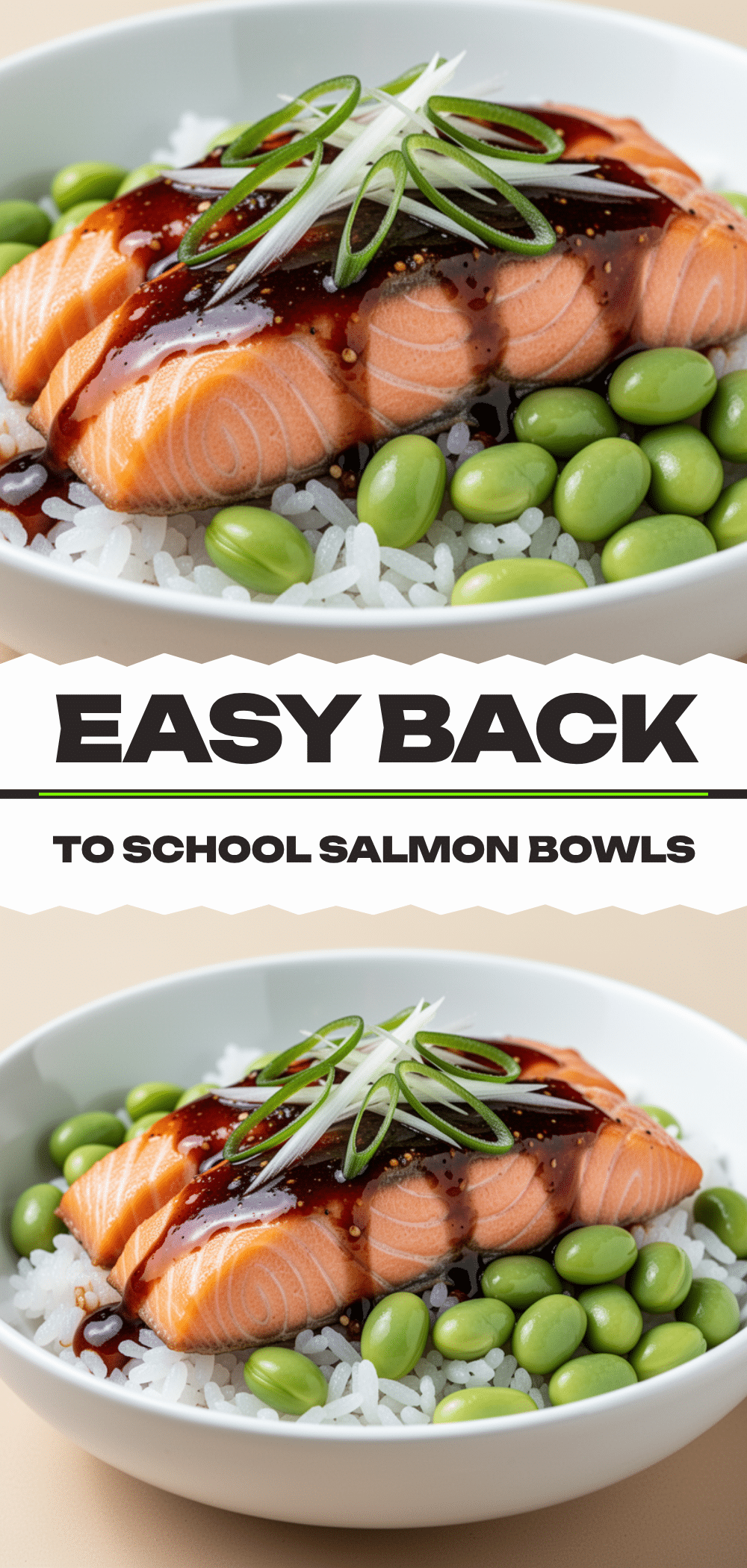
Teriyaki Salmon Rice Bowls: Easy Healthy Lunch
- Total Time: 25 minutes
- Yield: 4 servings 1x
Description
A quick, restaurant-quality lunch featuring flaky salmon glazed in a sticky sweet-savory teriyaki sauce, served over rice with fresh garnishes. Ready in just 20 minutes.
Ingredients
- 4 salmon fillets (about 6oz / 170g each)
- 2 tablespoons neutral oil (avocado or canola)
- Salt and black pepper
- 1 cup sushi rice (uncooked)
- 2 cups cooked white or sushi rice
- ¼ cup low-sodium soy sauce
- 2 tablespoons honey
- 1 tablespoon rice vinegar
- 1 teaspoon minced fresh ginger
- 2 cloves minced garlic
- 2 tablespoons water
- 2 stalks green onions, thinly sliced
- 1 tablespoon toasted sesame seeds
- Optional: Steamed broccoli, edamame, shredded carrots, or cucumber slices
Instructions
- Rinse 1 cup of sushi rice under cold water until clear. Cook according to package instructions (rice cooker or stovetop) and keep warm.
- In a small bowl or microwave-safe cup, whisk together soy sauce, honey, rice vinegar, ginger, garlic, and water. Heat for 20 seconds if needed to melt honey, then whisk until smooth.
- Pat salmon fillets dry with paper towels. Season both sides generously with salt and black pepper.
- Heat oil in a non-stick or cast iron skillet over medium-high heat until shimmering.
- Place salmon in the pan, skin-side down if applicable. Press gently for 10 seconds to prevent curling. Cook undisturbed for 4-5 minutes until a golden crust forms.
- Flip salmon carefully. Pour half the teriyaki glaze into the pan around the fish. Simmer for 1-2 minutes, then brush remaining glaze over the salmon. Cook for 1 more minute until sauce thickens. Remove from heat.
- Fluff cooked rice with a fork. Divide among four bowls.
- Place a piece of glazed salmon on top of each bowl. Spoon extra sauce from the pan over the fish.
- Garnish with sliced green onions and toasted sesame seeds. Serve immediately with optional steamed veggies.
Notes
Do not overcook the salmon; it continues to cook after removal from heat. Toast sesame seeds in a dry pan for 2-3 minutes to enhance aroma. Use low-sodium soy sauce to control salt levels. For meal prep, store in airtight containers for up to 3 days. Do not freeze as texture suffers.
- Prep Time: 15 minutes
- Cook Time: 10 minutes
- Category: Main Course
- Cuisine: Asian
Nutrition
- Serving Size: 1 bowl per serving
- Calories: 450
- Sugar: 12
- Sodium: 680
- Fat: 16
- Saturated Fat: 3
- Carbohydrates: 42
- Fiber: 2
- Protein: 32
Keywords: teriyaki salmon, rice bowls, healthy lunch, quick dinner, high protein, meal prep, gluten-free option, dairy-free


