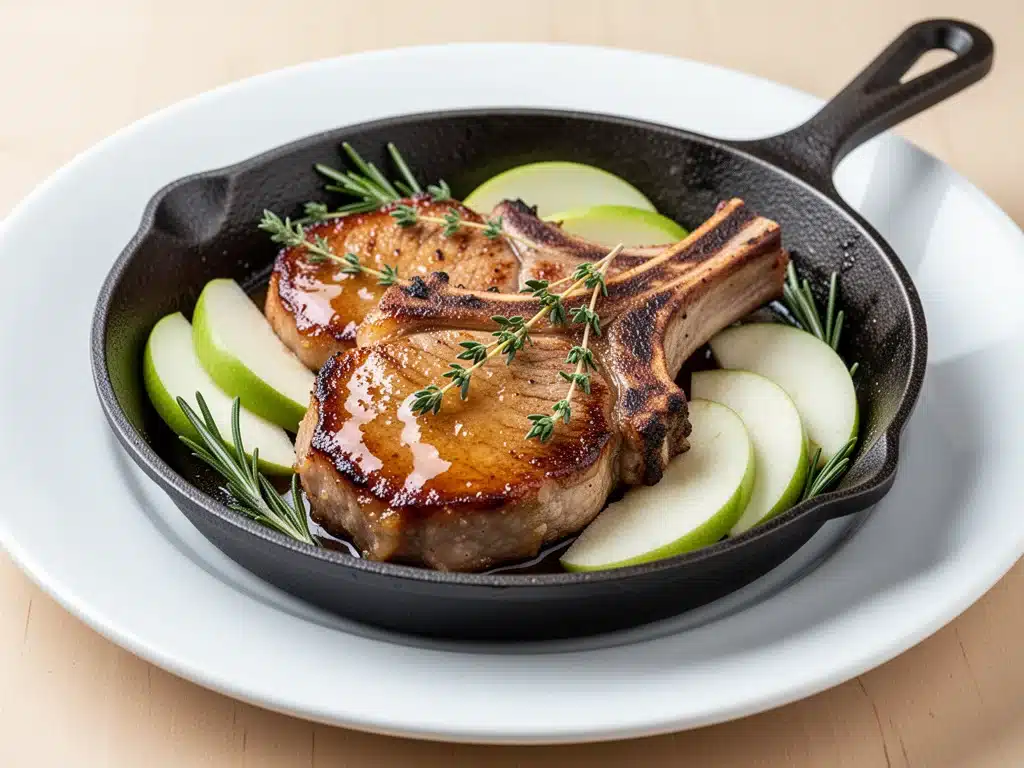
Last October, I stood in my kitchen at 6:30 PM feeling that familiar, heavy dread. You know the one. The fridge is humming, the house is quiet, and I have exactly zero energy to cook anything complicated. My husband had mentioned “fall vibes” earlier that day, which usually means he wants a three-hour roast, but I’m thinking “can I get this on the table before the sun goes down?” I opened the pantry, stared at a bottle of apple cider I’d bought for a cocktail party that never happened, and looked at four thick-cut pork chops on the counter. It was a disaster waiting to happen. I threw the pork in the pan, poured in half the cider, and added some thyme I’d found in the freezer drawer. I was making a backup plan, not a masterpiece.
But here’s the thing about cooking when you’re tired: sometimes the accidents are the best. That night, the kitchen smelled like a bakery mixed with a forest floor. The sauce reduced into this glossy, sticky glaze that clung to the pork like a warm hug. My husband took one bite, stopped chewing, and said, “Okay, that’s it. You’re the chef.” I wasn’t trying to be fancy. I was just trying to survive Tuesday. But those skillet pork chops with apple cider glaze became our go-to whenever the weather turned crisp and my brain turned off.
I’ve made these pork chops at least twenty times since that night. I’ve tweaked the glaze, adjusted the heat, and figured out exactly how to keep the meat juicy instead of dry (pork chops are notorious for this). This isn’t a complicated recipe. It doesn’t require a rotisserie oven or a trip to a specialty butcher. It’s just good, honest food that tastes like autumn in a pan. If you’re looking for a weeknight dinner that feels special but takes less time than ordering takeout, you’re going to love this. It’s my answer to “what’s for dinner?” when I want something comforting but don’t have hours to spare.
Why You’ll Love This Recipe
There are a dozen reasons I keep coming back to this skillet pork chop recipe, but let’s be real: it’s not just about the taste. It’s about the fact that it actually works on busy weeknights without stressing me out. I’ve tested this method so many times that I can practically do it in my sleep, and I know it’ll turn out perfect even if you’re a beginner.
- It’s Actually Fast — We’re talking 15 minutes from start to finish. That includes cooking the pork and making the glaze. I’ve timed it. I even made it once while my toddler was screaming in the next room, and it still came out on time. Most of that time is just the pork searing, which is hands-off.
- One Pan, Less Cleanup — I hate washing dishes. This recipe uses just one skillet (and a small measuring cup for the sauce). No extra pots, no separate pans for sides. The sauce is made right in the same pan the pork cooked in, so you get all those browned bits (fond) for free. That’s where the flavor lives.
- Flavor That Feels Fancy — Apple cider and pork are a classic combination for a reason. It’s sweet, tangy, and savory all at once. It tastes like you spent hours simmering a sauce, but you’re really just reducing liquid for five minutes. My friends always ask if I’m catering a dinner party when I serve this.
- Super Versatile — This works with bone-in or boneless chops, thick or thin. If you’re serving picky eaters, just leave off the pepper in the glaze. If you want to add a side, this plays nice with mashed potatoes, rice, or roasted veggies. It’s a chameleon dinner.
- Uses Up Ingredients — That bottle of apple cider you bought for Thanksgiving brunch and forgot about? This is its purpose in life. I make this specifically to use up leftover cider before it goes bad. It’s budget-friendly because you’re using what you already have.
This recipe has saved me on days when I wanted to order pizza but felt guilty about the cost and the sodium. It’s reliable, it’s delicious, and it makes your kitchen smell amazing. That’s the kind of dinner that makes everyone happy.
Ingredients You’ll Need
Here’s the best part: you probably have most of this already. I’m particular about a few things here, mostly because pork chops can be tricky, but the ingredient list is short and simple. No weird spices you’ll never use again.
For the Pork
Pork chops (4 chops, about 6-8 oz each) — I prefer bone-in, center-cut chops because they stay juicier. But boneless works fine if you’re in a hurry. Just watch the cooking time closely so they don’t dry out. If they’re super thick (over 1 inch), I pound them down a bit to make them even.
Salt and black pepper — Kosher salt is my go-to because it’s easier to control. Freshly cracked pepper adds a nice bite. Don’t skip the seasoning on the meat itself; that’s your base flavor.
Olive oil (2 tablespoons) — I use regular olive oil here because we’re heating it up high for searing. Extra virgin can smoke at high temps. You want a hot pan for a good crust.
Butter (1 tablespoon) — Added at the end for richness. It helps the sauce cling to the meat and adds that restaurant-quality sheen.
For the Glaze
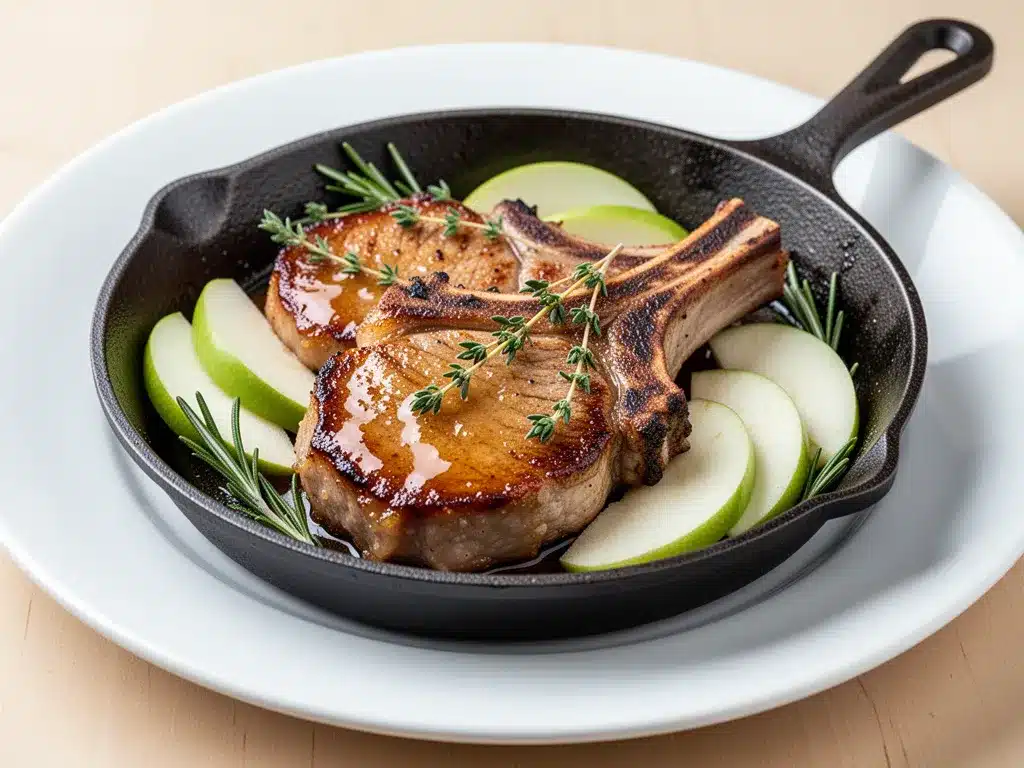
Apple cider (1 cup) — This is the star. Use real apple cider, not apple juice cocktail. Juice is too sweet and thin. Cider has that tangy, fermented depth. I buy it in the fall when it’s on sale and freeze it in cups for this exact purpose.
Brown sugar (2 tablespoons) — Just a touch. It helps the cider caramelize and balances the tartness of the apples. If you’re avoiding sugar, you can skip it, but the glaze won’t stick as well.
Apple cider vinegar (1 teaspoon) — This is the secret weapon. It cuts through the sweetness and the fat of the pork. Don’t swap this for white vinegar; it’s too harsh. You need that apple flavor.
Dried thyme (1 teaspoon) — Thyme and pork are best friends. Fresh thyme works too, but dried is more concentrated. If you don’t have thyme, rosemary or sage works well.
Garlic powder (½ teaspoon) — I use powder here instead of fresh garlic because fresh garlic can burn in the hot pan before the sauce reduces. Powder gives you that garlic flavor without the risk of bitterness.
Mustard (1 teaspoon Dijon or yellow) — Sounds weird, I know. But it adds a tangy depth that makes the sauce taste complex. You won’t taste the mustard directly, but it makes the pork taste more like pork.
Equipment Needed
You don’t need fancy equipment for this. Here’s what I actually use.
Large skillet — I prefer cast iron because it holds heat well and gives a great sear. Stainless steel works too. Just make sure it’s big enough to hold all four chops in a single layer. If your pan is small, cook in two batches. Crowding the pan steams the meat instead of searing it, and you want a crust.
Tongs — For flipping the chops. I have a pair that’s been with me for ten years. If you don’t have tongs, a sturdy spatula works, but tongs are easier for getting a good grip on the meat.
Small saucepan or heatproof bowl — For reducing the glaze. You can do this in the same skillet if you remove the pork first, which I usually do to keep things simple.
Instant-read thermometer — This is my number one tip for perfect pork. It takes the guesswork out. Pork is done at 145°F. If you don’t have one, cut into the thickest part to check—it should be slightly pink in the middle.
Measuring cups and spoons — Standard stuff. The glaze is forgiving, so you don’t need to be super precise, but having them helps if you’re new to cooking.
How to Make It: Step-by-Step
Alright, let’s make this! I’m walking you through exactly how I do it, including the little tricks I’ve picked up over the years.
Step 1: Prep the Pork (5 minutes)
Take your pork chops out of the fridge and let them sit for 10-15 minutes while you heat the pan. Cold meat hits a hot pan and cooks unevenly. Pat them dry with paper towels—this is crucial. Wet meat steams. You want dry meat for a golden crust. Season both sides generously with salt and pepper. Don’t be shy with the salt; it helps the crust form.
Step 2: Sear the Chops (6-8 minutes)
Heat your skillet over medium-high heat. Add the olive oil. Wait until it shimmers but doesn’t smoke. Lay the chops in the pan away from you to avoid splatter. Do not move them for 3-4 minutes. This is where the magic happens. You want a deep brown crust. If you keep poking them, they won’t sear. After 3-4 minutes, flip them. They should release easily from the pan if the crust is ready. Cook the other side for 3-4 minutes, or until an instant-read thermometer reads 145°F in the thickest part. Remove the chops to a plate and tent loosely with foil. Don’t cover them tight, or they’ll steam and get soggy.
Step 3: Make the Glaze (5 minutes)
Reduce the heat to medium. Pour off any excess grease from the pan, leaving about a tablespoon of oil and all those browned bits (fond). Those bits are flavor gold. Add the butter and let it melt. Stir in the garlic powder and thyme for 30 seconds until fragrant. Pour in the apple cider and apple cider vinegar. Scrape the bottom of the pan with a wooden spoon to release all those browned bits. Let it simmer vigorously for 3-4 minutes. It should reduce by half and get syrupy.
Step 4: Finish and Serve (2 minutes)
Stir in the brown sugar and mustard. Taste the sauce. If it’s too sweet, add a splash more vinegar. If it’s too tart, add a pinch more sugar. It should taste like a sweet-tart caramel. Place the pork chops back into the pan, spooning the glaze over them. Let them sit in the sauce for 1 minute to reheat and absorb some flavor. Serve immediately, drizzling extra glaze over the top.
Total Time: About 15 minutes active cooking.
Expert Tips & Tricks
Here’s everything I’ve learned from making this dozens of times. These tips will save you from my mistakes.
Don’t Overcook the Pork — This is the biggest mistake people make. Pork cooks fast. If you leave it in too long, it becomes shoe leather. 145°F is the target. It might look slightly pink, but that’s safe and juicy. If you prefer well-done, go for 150-155°F, but expect it to be drier.
Use Real Cider — I can’t stress this enough. Apple juice is sugar water. It will make a sticky, cloying mess. Real apple cider has acidity and flavor. If you can’t find fresh cider, look for shelf-stable organic cider in the baking aisle, but avoid the cocktail mixers.
Scrape the Fond — Those brown bits stuck to the bottom of the pan? Don’t scrub them away. They are the base of your sauce flavor. Deglazing the pan with the cider lifts them up and creates a rich, savory sauce.
Reduce the Sauce Properly — The glaze needs to thicken. If you serve it too thin, it’ll run off the pork and pool on the plate. Simmer it until it coats the back of a spoon. It doesn’t need to be like molasses, but it should be syrupy.
Rest the Meat — Letting the pork rest for 5 minutes after cooking lets the juices redistribute. If you cut into it immediately, the juices run out and the meat dries up. The foil tent keeps it warm while it rests.
Variations & Substitutions
Once you’ve nailed the basic version, here’s how you can mix it up. I’ve tried all of these.
Savory Herb Version — Swap the brown sugar for a teaspoon of soy sauce. It adds umami and makes the glaze more savory. Great with mashed potatoes.
Spicy Apple — Add a pinch of cayenne pepper or red pepper flakes to the glaze. The heat balances the sweetness perfectly. My husband likes it this way.
Cider Vinegar Swap — If you don’t have apple cider vinegar, white wine vinegar works. It’s less fruity but still acidic enough to cut the fat.
Gluten-Free — This recipe is naturally gluten-free! Just make sure your cider and mustard are certified gluten-free (some mustards have thickeners).
Dairy-Free — Skip the butter at the end. Use an extra tablespoon of olive oil. The sauce will be slightly less rich, but still delicious.
Side Dish Swaps — Serve with roasted Brussels sprouts, buttered egg noodles, or a simple arugula salad with lemon vinaigrette. The pork pairs well with almost any vegetable.
Serving & Storage
How to Serve: I usually serve this straight from the skillet at the dinner table—it looks rustic and stays warm. But here are other ways I’ve enjoyed it:
- Garlic mashed potatoes (soak up the glaze)
- Roasted sweet potatoes (enhances the fall flavors)
- Butternut squash soup (for a light meal)
Storage: Store leftovers in an airtight container in the fridge for up to 3 days. The pork will keep well, and the sauce thickens in the fridge.
Reheating: Reheat gently in a skillet over low heat with a splash of water or broth to loosen the sauce. Microwave works but can dry out the pork. Add a little water and cover it to steam it slightly.
Freezing: I don’t recommend freezing this. The pork can get dry when thawed, and the sauce may separate. It’s best eaten fresh.
Nutrition Information
I’m not a nutritionist, but here’s the breakdown if you’re tracking.
Per serving (1 chop with glaze):
- Calories: 320
- Protein: 30g
- Carbs: 12g
- Fat: 16g
- Sugar: 10g
It’s high in protein and relatively low in carbs, making it decent for a balanced meal. The sugar comes from the apple cider and brown sugar, but it’s not excessive. If you’re watching sugar, skip the brown sugar and use only the natural sweetness of the cider.
Final Thoughts
So that’s my go-to skillet pork chops with apple cider glaze! I’ve probably talked your ear off at this point, but when you make a recipe this often, you have a lot to say about it. This has saved weeknight dinners more times than I can count. It’s my answer to “what’s for dinner” when I’m tired, don’t want takeout, and still want something that tastes really good. My kids are happy, my husband’s happy, and I’m happy because I’m not stressed about cooking.
Make it yours! Try different herbs, swap the cider for pear juice if you’re feeling fancy, or add some bacon bits on top. The best recipes are the ones you adapt to your family’s tastes. If you make this, drop a comment and let me know what you think! I love hearing how recipes turn out in your kitchen. And if something doesn’t work, tell me that too—I’m here to help troubleshoot.
Happy cooking! And I hope your kitchen smells half as good as mine does right now.
Frequently Asked Questions
Can I use apple juice instead of apple cider?
You can, but the flavor won’t be as deep. Apple juice is sweeter and less tart. If you use juice, add an extra teaspoon of apple cider vinegar to balance the sweetness. But real cider is worth the hunt.
Why is my pork chop dry?
Overcooking is the main culprit. Pork chops cook very fast. Use a thermometer and pull them at 145°F. They will continue to cook slightly while resting. If you cook them to 160°F, they’ll be dry.
Can I make this ahead for a dinner party?
Sort of. You can make the glaze ahead and store it in the fridge. Reheat it gently before cooking the pork. Cook the pork fresh right before serving. It won’t be quite as good as fresh, but it’s close and saves you stress during the party.
Why did my sauce get grainy or separate?
This usually happens if the heat was too high when you added the butter at the end. Keep the heat low when finishing the sauce. If it separates, whisk in a splash of cold water to bring it back together.
Can I use frozen pork chops?
It’s better to use fresh or thawed chops. Frozen chops release more water and won’t sear as well. If you must use frozen, thaw them completely in the fridge first and pat them very dry.
How do I reheat leftovers without it getting dry?
Add a splash of milk or cream to a skillet, add your leftover pork, and heat gently over low heat, stirring frequently. The extra liquid brings back the creamy texture. Microwave sort of works but tends to dry it out.
Can I double this recipe?
Absolutely! Double everything and use your biggest skillet. The cooking times stay the same. I do this when I’m meal-prepping or feeding a crowd. Just make sure your skillet is big enough for the pork—you might need to cook in two batches.
Pin This Recipe!


Skillet Pork Chops: Easy 15-Minute Fall Dinner
- Total Time: 15 minutes
- Yield: 4 servings 1x
Description
A quick and easy weeknight dinner featuring thick-cut pork chops seared in a skillet and finished with a glossy, sticky apple cider glaze. This one-pan meal is ready in just 15 minutes and delivers fall flavors without the stress.
Ingredients
- 4 pork chops (6–8 oz each, bone-in or boneless)
- 2 tablespoons olive oil
- 1 tablespoon butter
- 1 cup apple cider
- 2 tablespoons brown sugar
- 1 teaspoon apple cider vinegar
- 1 teaspoon dried thyme
- 1/2 teaspoon garlic powder
- 1 teaspoon Dijon or yellow mustard
- Kosher salt
- Freshly cracked black pepper
Instructions
- Pat pork chops dry with paper towels and season both sides generously with salt and pepper.
- Heat olive oil in a large skillet over medium-high heat until it shimmers.
- Sear pork chops for 3-4 minutes per side until a deep brown crust forms and internal temperature reaches 145°F.
- Remove chops to a plate and tent loosely with foil.
- Reduce heat to medium and pour off excess grease, leaving about a tablespoon of oil and browned bits (fond).
- Add butter, garlic powder, and thyme to the pan; stir for 30 seconds until fragrant.
- Pour in apple cider and apple cider vinegar, scraping the bottom to release fond.
- Simmer vigorously for 3-4 minutes until the sauce reduces by half and becomes syrupy.
- Stir in brown sugar and mustard; taste and adjust seasoning if needed.
- Return pork chops to the pan, spooning glaze over them, and let sit for 1 minute to reheat.
- Serve immediately, drizzling extra glaze over the top.
Notes
Do not overcook the pork; 145°F is the target for juicy results. Use real apple cider, not juice, for the best flavor. Scrape the fond (browned bits) from the pan to create a rich sauce. If using frozen chops, thaw completely and pat very dry before cooking.
- Prep Time: 5 minutes
- Cook Time: 10 minutes
- Category: Main Course
- Cuisine: American
Nutrition
- Serving Size: 1 chop with glaze
- Calories: 320
- Sugar: 10
- Sodium: 450
- Fat: 16
- Saturated Fat: 4
- Carbohydrates: 12
- Protein: 30
Keywords: pork chops, apple cider glaze, skillet dinner, quick weeknight meals, fall recipes, one pan dinner, easy pork recipe


