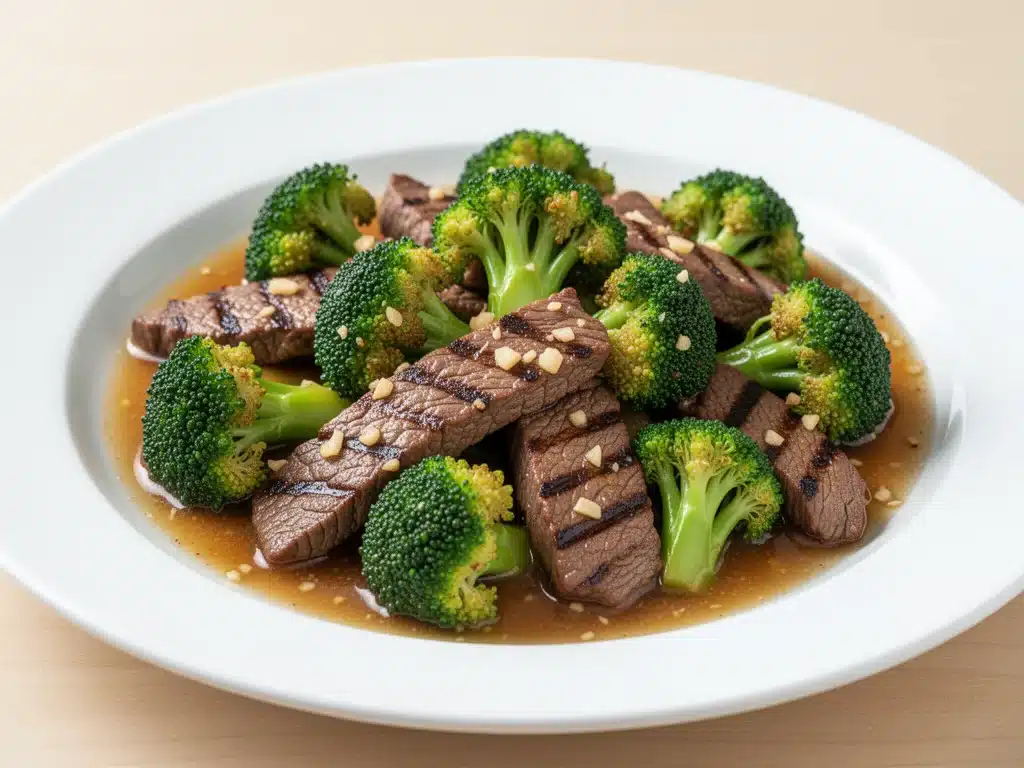
It was 6:45 PM on a Tuesday, and the rain was hammering against the kitchen window. I was staring at my phone, thumb hovering over a delivery app, ready to spend $35 on soggy beef and broccoli that I knew would arrive lukewarm and overly salty. My stomach was growling, my brain was fried from eight hours of spreadsheets, and I had zero energy for a complicated cooking project.
But then I remembered I had a decent chuck roast in the freezer, a head of broccoli that was starting to look a little sad in the crisper drawer, and a bottle of soy sauce that had been collecting dust since Christmas.
I decided to try one more thing. Just one pot. No chopping mountains of garlic, no marinating for hours, no waiting for the wok to smoke up the house. I threw everything into one large skillet, set a timer, and walked away to decompress for 20 minutes. When I came back, the house smelled like a Chinese restaurant, and the beef was tender enough to cut with a fork.
I ate it straight from the pan with a fork because I was too tired to wash a second plate. And honestly? It was better than the takeout. Better, faster, and it left me with one less dish to wash later. That night, I realized I didn’t need to choose between convenience and quality. I just needed the right method.
This one-pot beef and broccoli recipe has since become my savior on those “I can’t even” weeknights. It’s not just about saving time; it’s about getting a meal on the table that feels hearty, flavorful, and genuinely good for you, without the guilt or the cleanup nightmare. If you’re tired of the same old chicken stir-fry or the expensive delivery menu, this is your new best friend. Let’s get into it.
Why You’ll Love This One-Pot Beef and Broccoli
There are about a dozen reasons I keep making this specific version of beef and broccoli, but let’s be real—you probably just need to know why it’s worth your time. Here’s the deal:
Stupidly Simple Cleanup — Seriously, one pot. One skillet. That’s it. If you can boil water and chop a vegetable, you can make this. I’ve made this while helping my kids with homework, and it didn’t burn. (Okay, it got a little browned on the bottom, but we still ate it. It was fine.)
Lightning Fast — From the moment I take the beef out of the fridge to the moment we’re sitting down, it’s 30 minutes. Maybe 35 if you’re slow like me. The active cooking time is maybe 10 minutes. The rest is just simmering and waiting. I make this on Thursdays when I’m running on caffeine and hope.
Flavor That Actually Pops — A lot of “healthy” weeknight dinners taste like boiled cardboard. This one doesn’t. The sauce is salty, sweet, garlicky, and slightly spicy. It clings to the beef and coats the broccoli perfectly. My husband, who claims he “doesn’t like vegetables,” asks for seconds. That’s the proof right there.
Pantry-Friendly Ingredients — You probably have 90% of this already. Soy sauce, cornstarch, garlic, ginger, beef, broccoli. It’s not fancy. It’s not obscure. It’s just good food made from things you already bought.
Makes Amazing Leftovers — This reheats beautifully. In fact, I deliberately make extra for lunch on Friday. The flavors meld together overnight, and it tastes even better on day two. I pack it in a container and eat it cold or heated up at my desk. It’s my secret weapon for not buying lunch.
So basically, this is my go-to when I need dinner to just work. No complicated techniques, no weird ingredients, just reliable, delicious food that makes everyone happy and leaves me with one less dirty pan to scrub.
Ingredients You’ll Need
Here’s the best part: this recipe doesn’t require a trip to a specialty Asian market. You can get everything at your regular grocery store. I’m particular about a few things here, and I’ll tell you exactly why, because those details make the difference between “okay” and “wow.”
For the Beef
Beef Chuck Steak or Flank Steak (1.5 lbs / 680g) — I use chuck steak because it’s cheaper and stays tender even if you cook it a bit longer. Flank steak works too, but you have to slice it against the grain *perfectly*. If you don’t know how to do that, stick with chuck. It’s forgiving. Cut it into thin, bite-sized strips. Thin is key here.
Cornstarch (2 tablespoons) — This is the secret weapon. It coats the beef and creates a crust when it hits the hot pan. It also helps thicken the sauce later. Don’t skip it. It’s what gives the beef that restaurant-style texture.
Soy Sauce (1 tablespoon) — For marinating. Use regular soy sauce, not low-sodium, because you want that strong salty flavor to penetrate the meat. Low-sodium can taste bland in this context.
Vegetable Oil (1 tablespoon) — For searing. You need a high smoke point oil. Olive oil will burn. Vegetable or canola oil is perfect.
For the Sauce
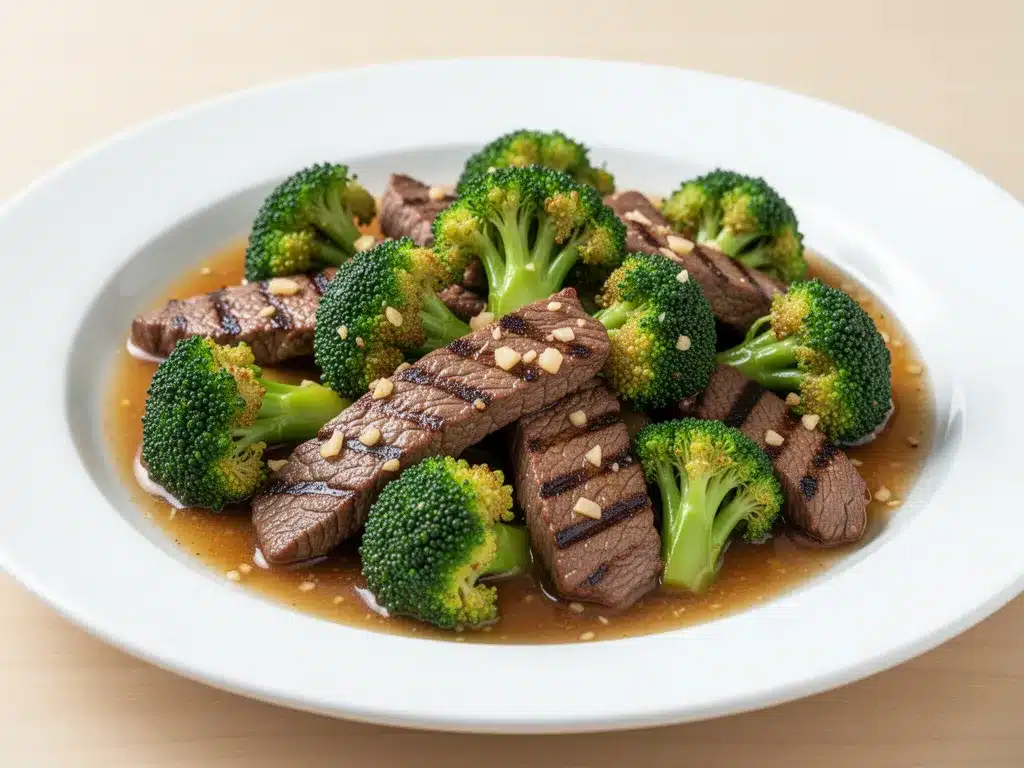
Soy Sauce (¼ cup / 60ml) — The base of the sauce. Again, regular soy sauce. If you’re watching sodium, you can use low-sodium, but you’ll likely need to add a pinch more salt later. Taste as you go.
Beef Broth (½ cup / 120ml) — Adds depth and body. I use low-sodium beef broth so I can control the salt level. Chicken broth works too if you don’t have beef broth. Vegetable broth is fine for a lighter version.
Oyster Sauce (2 tablespoons) — This is the ingredient that makes it taste like takeout. It’s salty, sweet, and umami-rich. If you can’t find it, you can substitute with hoisin sauce, but the flavor will be slightly different. I always keep a bottle in my pantry just for this.
Brown Sugar (2 tablespoons) — Balances the saltiness. I use light brown sugar for that molasses note. White sugar works, but brown is better.
Rice Vinegar (1 tablespoon) — Adds a little acidity to cut through the richness. Don’t skip this. It brightens the whole dish. If you don’t have rice vinegar, white wine vinegar works in a pinch.
Garlic (4 cloves, minced) — Fresh garlic only. No jarred garlic for this. You want that sharp, pungent bite. Minced fine so it doesn’t burn.
Fresh Ginger (1 teaspoon, grated) — Fresh ginger is non-negotiable. It adds a warm, spicy kick that ground ginger can’t match. Grate it on a microplane. It’s worth the extra 30 seconds.
Red Pepper Flakes (½ teaspoon) — Optional, but I love a little heat. Adjust to your spice tolerance. If you’re making this for kids, leave it out.
For the Veggies
Broccoli Florets (3 cups / about 1 large head) — Cut into bite-sized pieces. I buy a large head of broccoli and cut it myself, but pre-cut florets work fine. I like them to be a mix of stem and florets because the stems are sweet and crunchy.
Water (¼ cup) — For steaming the broccoli in the pot.
Equipment Needed
You don’t need fancy equipment for this. Here’s what I actually use in my home kitchen.
Large Skillet or Wok — I use a 12-inch cast-iron skillet. It holds heat well, which is crucial for searing the beef. A large non-stick skillet works too, but you won’t get the same crust. If you have a wok, use it, but a skillet is easier for most people.
Sharp Knife — For slicing the beef and cutting the broccoli. A dull knife is dangerous and makes slicing the beef uneven. I use my chef’s knife for everything.
Cutting Board — Any size works. I use a large plastic one for easy cleanup.
Mixing Bowls — Two small bowls. One for marinating the beef, one for mixing the sauce. I use glass bowls because they’re easy to see into.
Wooden Spoon or Spatula — For stirring. Silicone works too. Don’t use metal on non-stick.
Measuring Cups and Spoons — Pretty standard stuff. Dollar store versions work fine.
Microplane or Grater — For the ginger. Or just mince it super finely if you don’t have a grater.
Optional but nice:
– Ladle — For serving. Makes it easier to get sauce on the rice.
– Paper Towels — For patting the beef dry before marinating. Moisture is the enemy of a good sear.
How to Make It: Step-by-Step
Alright, let’s make this! I’m walking you through exactly how I do it, including the little tricks I’ve picked up over the years. This one-pot beef and broccoli recipe is simple, but there are a few key moments to pay attention to.
Step 1: Prep the Beef (5 minutes)
Pat the beef strips dry with paper towels. This is crucial. If the beef is wet, it will steam instead of sear. Toss the beef with 1 tablespoon of soy sauce and 2 tablespoons of cornstarch in a bowl. Mix well until every strip is coated. Let it sit while you prep the veggies. The cornstarch will help create a crust.
Step 2: Make the Sauce (3 minutes)
In a small bowl, whisk together the ¼ cup soy sauce, beef broth, oyster sauce, brown sugar, rice vinegar, minced garlic, grated ginger, and red pepper flakes. Stir until the sugar is dissolved. Set aside. It should look glossy and fragrant.
Step 3: Sear the Beef (5 minutes)
Heat the vegetable oil in your large skillet over medium-high heat. Once the oil is shimmering, add the beef in a single layer. Don’t crowd the pan! If you have a small skillet, do this in two batches. Crowding the pan steams the beef, and we want it seared. Cook for 2-3 minutes per side until browned. You don’t need to cook it all the way through yet; it will finish later. Remove the beef from the pan and set it aside on a plate.
Step 4: Cook the Broccoli (3 minutes)
Reduce the heat to medium. Add the broccoli florets to the same skillet. Pour in the ¼ cup of water and cover with a lid (or a piece of foil if you don’t have a lid). Let it steam for 2-3 minutes until the broccoli is bright green and tender-crisp. Uncover and let any remaining water evaporate. This step ensures the broccoli is cooked through without getting mushy.
Step 5: Combine and Simmer (5 minutes)
Add the cooked beef back into the skillet with the broccoli. Pour the sauce mixture over everything. Stir well to coat the beef and broccoli. Let it simmer for 2-3 minutes. The sauce will thicken as it heats up and the cornstarch activates. The sauce should be glossy and cling to the beef and broccoli.
Step 6: Serve
Taste and adjust seasoning if needed. Add a pinch of salt if it’s too bland, or a splash of vinegar if it’s too sweet. Serve immediately over steamed white rice or cauliflower rice. Garnish with sesame seeds and green onions if you have them.
Total Time: About 30 minutes (10 minutes active, 20 minutes hands-off)
Troubleshooting Tips
- Beef is tough: You probably didn’t slice it against the grain, or you cooked it too long. Slice thin and don’t overcook.
- Sauce is too thin: Let it simmer longer. The cornstarch needs time to activate. If it’s still thin, mix 1 teaspoon of cornstarch with 1 tablespoon of water and stir it in.
- Sauce is too thick: Add a splash of water or broth to loosen it up.
- Broccoli is mushy: You steamed it too long. Check it after 2 minutes. It should still have a little crunch.
Expert Tips & Tricks
Here’s everything I’ve learned from making this dozens of times. These tips will save you from my mistakes.
Pat the Beef Dry
This is the #1 tip. Wet beef = steamed beef. Dry beef = seared beef. I learned this the hard way when my first batch came out gray and soggy. Now I always pat the beef dry with paper towels before adding the cornstarch.
Don’t Crowd the Pan
If you put all the beef in at once, the temperature of the pan drops, and the beef steams. Cook in batches if you have to. It’s worth the extra 5 minutes. The crust makes all the difference.
Use Fresh Ginger and Garlic
Jarred ginger and garlic are convenient, but they lack the punch of fresh. Fresh ginger adds a warmth that powder can’t match. Fresh garlic adds a brightness that jarred garlic can’t. It’s worth the extra minute to mince and grate.
Let the Sauce Thicken
The sauce might look thin when you first add it. That’s okay. It will thicken as it simmers. Don’t add more cornstarch unless it’s still thin after 3 minutes of simmering.
Serve Over Rice
I know, I know, you’re trying to cut carbs. But this sauce is amazing over rice. It soaks it up and makes every bite flavorful. If you’re avoiding rice, try cauliflower rice or zucchini noodles. But honestly? A little white rice is worth it.
Variations & Substitutions
Once you’ve nailed the basic version, here’s how you can mix it up. I’ve tried all of these.
Chicken Version
Swap beef for chicken thighs or breast. Cut into bite-sized pieces. Cook the same way. Chicken cooks faster, so reduce the cooking time by 1-2 minutes.
Shrimp Version
Use 1 lb of shrimp. Cook for 2-3 minutes total. Shrimp cooks very quickly, so add it at the end and just heat through.
Vegetarian Version
Skip the beef and use firm tofu. Press the tofu, cut into cubes, and pan-fry until crispy. Then proceed with the recipe. The sauce works great with tofu.
Spicy Version
Add 1 tablespoon of chili garlic sauce or Sriracha to the sauce. Or add more red pepper flakes. If you like heat, this version is for you.
Low-Carb Version
Serve over cauliflower rice or zucchini noodles. Skip the rice. The sauce is still delicious, just lighter.
Dietary Modifications:
- Gluten-Free: Use tamari instead of soy sauce. Make sure your oyster sauce is gluten-free (some brands contain wheat).
- Dairy-Free: This recipe is naturally dairy-free. Just make sure your oyster sauce doesn’t contain hidden dairy (rare, but check the label).
- Lower Sodium: Use low-sodium soy sauce and broth. Taste before adding extra salt.
Serving & Storage
How to serve it and how to store it so it stays good.
How to Serve:
I usually serve this straight from the skillet at the dinner table—it looks rustic and stays warm. But here are other ways I’ve enjoyed it:
- Over steamed white rice (my favorite)
- Over cauliflower rice (for low-carb)
- In a bowl with noodles
- As a wrap with lettuce leaves
Side Dishes:
– Simple green salad with sesame dressing
– Steamed edamame
– Cucumber salad
– Garlic bread (if you’re indulging)
Storage Instructions:
Refrigerator: Store in an airtight container for up to 4 days. The sauce will thicken in the fridge—totally normal. Reheat in a skillet with a splash of water to loosen it up.
Freezing: This doesn’t freeze well. The broccoli gets mushy, and the sauce can separate. Make it fresh or store in the fridge for up to 4 days.
Reheating: Best method: Add to a skillet with a splash of water over low heat. Stir until heated through. Microwave works too, but add a splash of water first to prevent drying out.
Nutrition Information
I’m not a nutritionist, but here’s the breakdown if you’re tracking.
Per Serving (based on 4 servings, with rice):
- Calories: 450
- Protein: 30g
- Carbs: 40g
- Fiber: 3g
- Sugar: 10g
- Fat: 18g
- Saturated Fat: 5g
- Cholesterol: 70mg
- Sodium: 800mg
What’s Good: High protein, decent fiber from broccoli. Can add vegetables to boost nutrition.
What to Know: Higher in sodium from soy sauce. Use low-sodium versions to reduce. Contains gluten (unless using tamari).
Final Thoughts
So that’s my go-to one-pot beef and broccoli! I’ve probably talked your ear off at this point, but when you make a recipe this often, you have a lot to say about it.
This has saved weeknight dinners more times than I can count. It’s my answer to “what’s for dinner” when I’m tired, don’t want takeout, and still want something that tastes really good. My kids are happy, my husband’s happy, and I’m happy because I’m not stressed about cooking.
Make it yours! Try different add-ins, swap in your favorite vegetables, adjust the spice level. The best recipes are the ones you adapt to your family’s tastes.
If you make this, drop a comment and let me know what you think! I love hearing how recipes turn out in your kitchen. And if something doesn’t work, tell me that too—I’m here to help troubleshoot.
Happy cooking! And I hope your kitchen smells half as good as mine does right now.
Frequently Asked Questions
Can I use flank steak instead of chuck?
Yes, but you have to slice it against the grain. Flank steak has long muscle fibers that can be tough if you don’t cut them. Look for the direction of the grain and slice perpendicular to it. Chuck is easier because it’s more forgiving, but flank steak is leaner and has a different texture.
Why did my sauce turn out watery?
Usually, this means you didn’t let it simmer long enough. The cornstarch needs time to activate. Let it simmer for 3-4 minutes. If it’s still thin, mix 1 teaspoon of cornstarch with 1 tablespoon of water and stir it in. Cook for another minute.
Can I make this ahead for a dinner party?
Sort of. You can prep the beef and sauce ahead of time. Store them in separate containers in the fridge. When you’re ready to cook, just sear the beef and combine. It saves you time during the party. But don’t cook the broccoli ahead; it will get mushy.
What if I don’t have oyster sauce?
You can substitute with hoisin sauce, but the flavor will be slightly sweeter and less savory. Or use a combination of soy sauce and a little bit of sugar. It won’t be exactly the same, but it will still be delicious.
Can I use frozen broccoli?
You can, but it will release more water. Pat it dry before adding it to the pan. You might need to reduce the steaming time. Fresh broccoli is better for texture, but frozen works in a pinch.
How do I reheat leftovers without it getting dry?
Add a splash of water or broth to a skillet, add your leftover beef and broccoli, and heat gently over low heat, stirring frequently. The extra liquid brings back the sauce. Microwave works too, but add a splash of water first and heat in short bursts.
Can I double this recipe?
Absolutely! Double everything and use your biggest skillet. The cooking times stay the same. I do this when I’m meal-prepping or feeding a crowd. Just make sure your skillet is big enough for the beef—you might need to cook in batches.
Pin This Recipe!
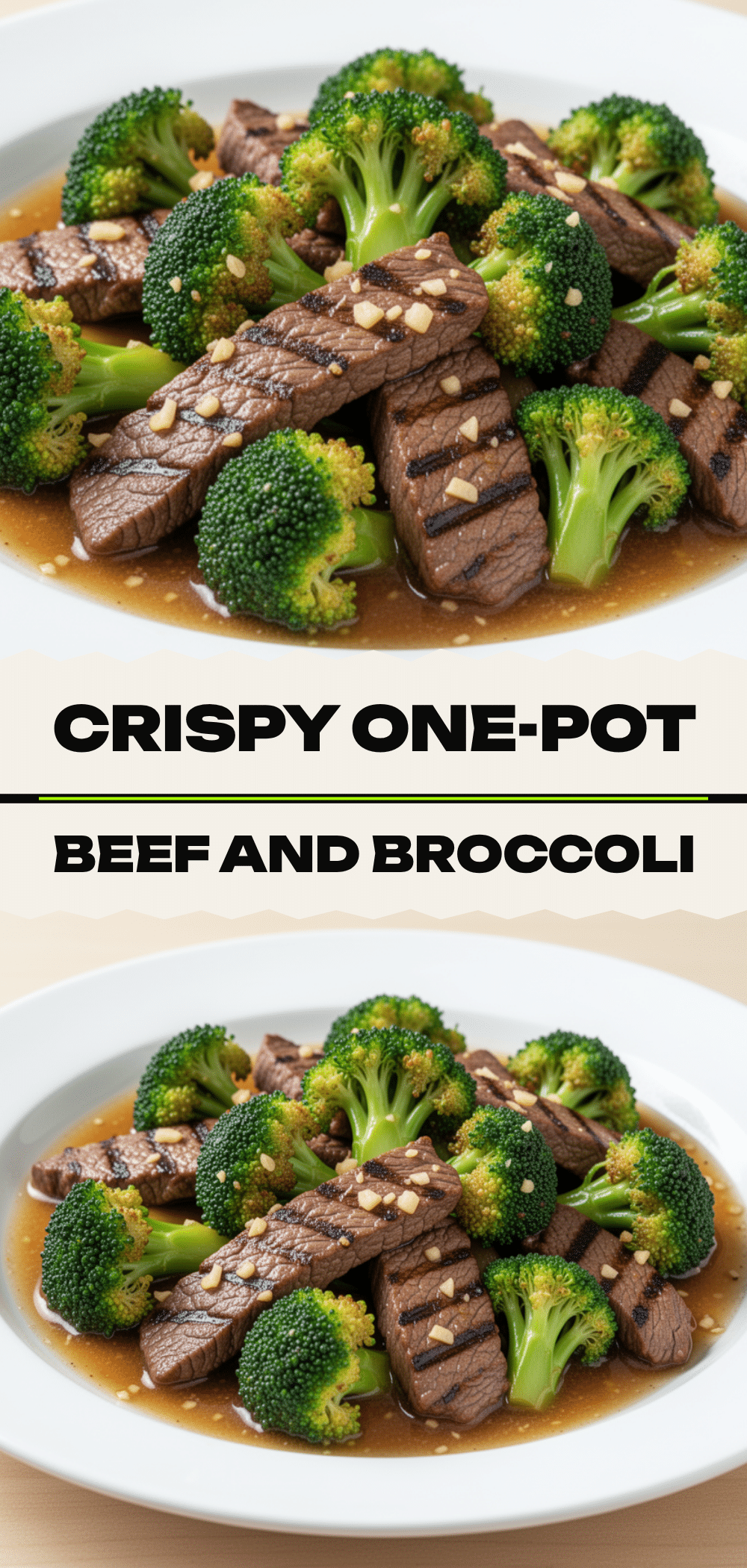
One-Pot Beef and Broccoli: Best 30-Min Easy Weeknight Dinner
- Total Time: 30 minutes
- Yield: 4 servings 1x
Description
A quick, one-pot beef and broccoli recipe that delivers restaurant-quality flavor with minimal cleanup. Tender beef and crisp broccoli are coated in a savory, garlicky sauce, ready in just 30 minutes.
Ingredients
- 1.5 lbs beef chuck steak or flank steak, cut into thin bite-sized strips
- 2 tablespoons cornstarch
- 1 tablespoon soy sauce (for marinating)
- 1 tablespoon vegetable oil
- 1/4 cup soy sauce (for sauce)
- 1/2 cup beef broth
- 2 tablespoons oyster sauce
- 2 tablespoons brown sugar
- 1 tablespoon rice vinegar
- 4 cloves garlic, minced
- 1 teaspoon fresh ginger, grated
- 1/2 teaspoon red pepper flakes (optional)
- 3 cups broccoli florets
- 1/4 cup water
Instructions
- Pat beef strips dry with paper towels. Toss with 1 tablespoon soy sauce and 2 tablespoons cornstarch until coated. Let sit while prepping veggies.
- In a small bowl, whisk together 1/4 cup soy sauce, beef broth, oyster sauce, brown sugar, rice vinegar, minced garlic, grated ginger, and red pepper flakes. Set aside.
- Heat vegetable oil in a large skillet over medium-high heat. Add beef in a single layer (cook in batches if necessary) and sear for 2-3 minutes per side until browned. Remove beef and set aside.
- Reduce heat to medium. Add broccoli florets to the skillet. Pour in 1/4 cup water, cover, and steam for 2-3 minutes until tender-crisp. Uncover and let water evaporate.
- Return beef to the skillet with the broccoli. Pour the sauce mixture over everything and stir to coat.
- Simmer for 2-3 minutes until the sauce thickens and becomes glossy. Taste and adjust seasoning if needed.
- Serve immediately over steamed white rice or cauliflower rice. Garnish with sesame seeds and green onions if desired.
Notes
Pat the beef dry before marinating to ensure a good sear. Do not crowd the pan when searing beef to avoid steaming. Use fresh ginger and garlic for best flavor. The sauce will thicken as it simmers; if it remains too thin, simmer longer or add a cornstarch slurry. Leftovers keep in the fridge for up to 4 days but do not freeze well due to broccoli texture.
- Prep Time: 10 minutes
- Cook Time: 20 minutes
- Category: Main Course
- Cuisine: Chinese
Nutrition
- Serving Size: 1/4 of the recipe
- Calories: 450
- Sugar: 10
- Sodium: 800
- Fat: 18
- Saturated Fat: 5
- Carbohydrates: 40
- Fiber: 3
- Protein: 30
Keywords: beef and broccoli, one pot dinner, weeknight dinner, easy recipe, chinese food, quick meals, healthy dinner, gluten-free option


