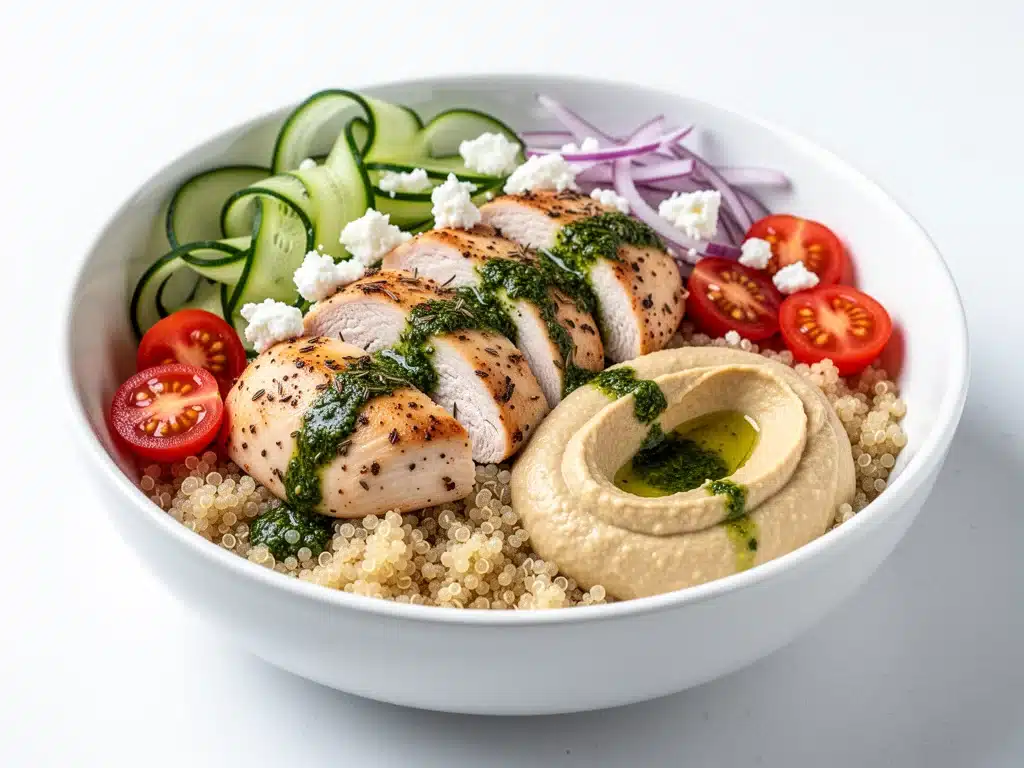
It was 6:45 AM on a Tuesday in September, and I was standing in my kitchen holding a Tupperware container like it owed me money. Inside was yesterday’s leftovers—some sad-looking quinoa and chicken that had gone dry in the fridge. My daughter looked at it, then at me, with that specific middle-school expression that says, “I’d rather eat cafeteria pizza than this.” And honestly? She was right. The leftovers were fine, but they weren’t exciting. They weren’t going to make her smile. They weren’t going to make her want to unpack her lunchbox at her desk.
This is the back-to-school lunch trap. We spend all summer dreaming up elaborate meal prep plans. We buy the cute containers. We plan the color-coded meals. But by week two, when we’re running on three hours of sleep and trying to find matching socks, we default to whatever is easiest. Which usually means something boring that ends up in the trash bin by 11:30 AM.
I needed a fix. Something that felt fresh, tasted like I’d actually tried, and could be assembled in ten minutes flat. I didn’t want to reheat anything. I didn’t want soggy bread. I wanted something vibrant, something that would look good on her lunch table and actually get eaten. That’s when I stumbled onto the idea of Mediterranean Chicken Wrap Bowls. I’d seen the concept floating around Pinterest—essentially deconstructing a wrap into a bowl format—but I wanted to make it specifically for the school lunch crowd. Less mess, more flavor, and zero soggy tortilla problems.
So I spent the next three weeks testing. I tried different grains. I played with marinades. I learned which veggies hold up in a warm lunch box and which ones turn to mush by noon. What I landed on is this Mediterranean Chicken Wrap Bowls recipe. It’s the closest thing I’ve found to a “set it and forget it” lunch that doesn’t taste like set-it-and-forget-it food. It’s bright, it’s protein-packed, and it’s genuinely delicious cold or room temperature, which is the real secret to successful school lunches.
My daughter’s reaction this week? She ate every bite. Even the lemon vinaigrette. That’s the kind of win that gets you out of bed in the morning. If you’re struggling with the back-to-school lunch rush, you need to try this. It’s going to save your sanity.
Why This Recipe Is a Back-to-School Hero
There are about a dozen reasons I keep making these bowls, but let’s be real—you don’t care about my reasons, you care about whether this will work for your family. Here’s the breakdown of why this Mediterranean Chicken Wrap Bowls recipe is actually going to stick in your weekly rotation.
Zero Soggy Tortilla Syndrome
Let’s address the elephant in the room. Wraps get soggy. It’s a fact of life. The moisture from the hummus and veggies seeps into the tortilla, and by lunchtime, you’re eating a wet, floppy mess. This bowl format takes all those same flavors but keeps everything separate and crisp. Your child gets that wrap flavor without the structural failure. It’s a game-changer for texture lovers.
Assembly Line Speed
When you’re rushing out the door, you don’t have time to stand over the stove. This recipe is designed for batch cooking. I cook a big batch of chicken and grains on Sunday. During the week, it takes me maybe five minutes to scoop, toss, and pack. It’s fast. Like, “while I’m brushing my teeth” fast. I’ve made these for my kids on mornings when I was literally running late for work. It works.
Actually Good Cold
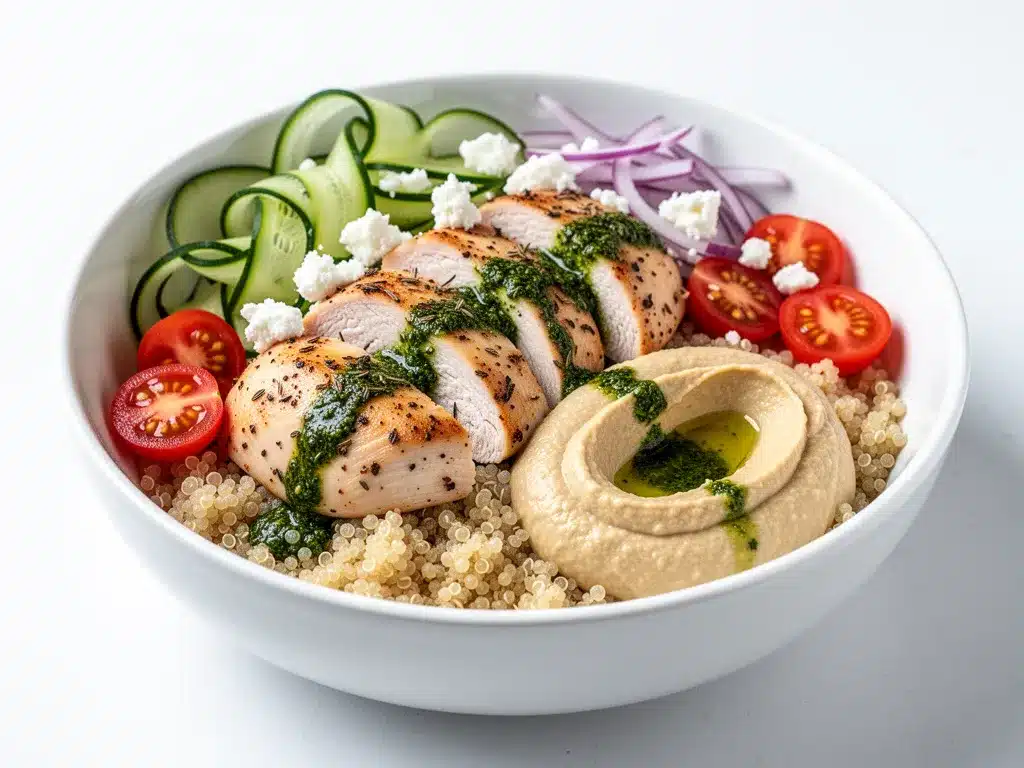
Most chicken salads turn grey and unappetizing when they sit in a lunchbox for four hours. Not this one. The lemon-herb vinaigrette actually enhances the flavors as it sits. The chicken stays juicy because it’s coated in olive oil and herbs, not mayo. My kids tell me they prefer these cold because the lemon tastes brighter. I was skeptical, but now I’m a believer.
Packed with Hidden Greens
My kids are what I call “conditional vegetarians.” They’ll eat spinach if it’s hidden in a smoothie, but they won’t touch a leafy salad. This bowl has chopped spinach and fresh parsley mixed in. They’re tiny, they’re tender, and they don’t have that strong raw kale flavor. It’s an easy way to sneak in nutrients without a fight. Plus, the feta cheese adds that salty kick that makes vegetables taste like a treat.
Versatile and Forgiving
Run out of chicken? Use rotisserie. Out of quinoa? Use couscous or farro. No feta? Use goat cheese or omit it. This recipe is incredibly forgiving. It’s perfect for using up leftovers. I’ve made these with leftover roasted vegetables from dinner. I’ve made them with canned chickpeas. It’s not rigid. It’s flexible. And in a chaotic school week, flexibility is everything.
Ingredients You’ll Need for Success
Here’s the thing about this Mediterranean Chicken Wrap Bowls recipe: it relies on quality basics. You don’t need fancy ingredients, but you do need to pay attention to a few key items. I’m particular about three things here, and I’ll tell you exactly why.
For the Protein:
Chicken Breast (1.5 pounds / 700g) — I use boneless, skinless chicken breasts because they cook evenly and shred well. Thighs work too, but they’re fattier and can get greasy in a lunchbox. I season with salt, pepper, and oregano before baking. Pro tip: Don’t overcook it. Pull it when it hits 165°F and let it rest. Dry chicken is sad chicken.
Extra Virgin Olive Oil (3 tablespoons / 45ml) — This is the base of your dressing and the marinade. Use a good quality oil. It’s the main flavor driver here. If you use a cheap, bitter oil, the whole bowl tastes bitter. I keep a bottle in my pantry specifically for cooking.
Garlic (3 cloves, minced / about 1 tablespoon) — Fresh garlic only. Jarred garlic has a metallic aftertaste that clashes with the fresh herbs. Mince it finely so it dissolves into the dressing.
Lemon (2 medium lemons) — You’ll need juice from both, and zest from one. Fresh lemon juice is non-negotiable. Bottled lemon juice tastes like cleaning fluid. Buy a few lemons and freeze the ones you don’t use for juice—just grate the zest before you freeze them.
For the Base:
Quinoa (1.5 cups dry / about 340g) — I love quinoa because it’s fluffy and holds up well. Brown rice works too, but it’s chewier. Couscous is the fastest option if you’re in a rush. Whatever you choose, make sure to fluff it with a fork after cooking.
Chickpeas (1 can, 15oz / 425g, drained and rinsed) — These add protein and fiber. Rinsing them well is crucial. If you don’t rinse them, the canning liquid makes the dressing watery and starchy. I use a fine-mesh strainer for this.
For the Crunch and Color:
Cucumber (1 medium, diced / about 150g) — English cucumbers are best because they have fewer seeds and less water. Regular cucumbers can make the bowl soggy if you don’t scoop out the seeds. Dice them small so they’re easy to eat with a fork.
Cherry Tomatoes (1 pint, halved / about 250g) — I use grape or cherry tomatoes because they’re sweeter and less acidic than large tomatoes. Halving them makes them bite-sized. If you use large tomatoes, dice them and remove the seeds.
Kalamata Olives (½ cup, pitted and sliced / about 75g) — These add that salty, briny Mediterranean punch. If your kids hate olives, you can omit them or use black olives. But Kalamatas are the most flavorful.
Feta Cheese (½ cup, crumbled / about 75g) — Buy a block and crumble it yourself. Pre-crumbled feta is often dusted with potato starch to prevent clumping, which affects the texture and taste. Crumble it fresh for the best flavor.
Red Onion (¼ medium, finely diced / about 30g) — Red onion is milder than yellow onion. If you’re worried about strong onion breath, soak the diced onion in cold water for 10 minutes before adding it to the bowl. It tones down the bite.
Fresh Parsley (½ cup, chopped / about 15g) — Flat-leaf parsley is best. It adds a fresh, grassy note that ties everything together. Don’t skip it. It makes the bowl taste alive.
For the Dressing:
Dijon Mustard (1 teaspoon) — Just a teaspoon. It adds depth and helps emulsify the dressing. It doesn’t make the dressing taste like mustard, I promise.
Dried Oregano (1 teaspoon) — This is the quintessential Mediterranean herb. Use good quality dried oregano. If you have fresh oregano, use double the amount.
Sea Salt and Black Pepper — To taste. Always season to taste at the end.
Equipment You Actually Need
You don’t need fancy gadgets for this. Here’s what I use, and what you can skip.
Baking Sheet — A standard 13×9 inch sheet pan. I line it with parchment paper for easy cleanup. You can also use a roasting pan.
Large Mixing Bowl — Something big enough to toss the chicken and grains. I use a 6-quart bowl. If it’s too small, you’ll end up with dressing on your counter.
Small Jar with Lid — For shaking up the dressing. I use a mason jar. It’s the easiest way to get the oil and vinegar emulsified without a whisk.
Sharp Knife and Cutting Board — For chopping veggies. A good knife makes this process faster and safer.
Colander — For rinsing the chickpeas. Or just use your sink and your hands if you’re feeling lazy.
Lunch Containers — This is crucial. You need containers with good seals. I use glass containers with locking lids. Plastic works too, but glass doesn’t stain from the turmeric or olive oil. Make sure they’re compartmentalized if your kid likes to keep things separate, though this recipe is mixed, so any shape works.
How to Make Mediterranean Chicken Wrap Bowls
Alright, let’s get cooking. This is straightforward. I’m walking you through the steps, including the little tricks that make a difference.
Step 1: Prep the Chicken (10 minutes)
Preheat your oven to 400°F (200°C). Line a baking sheet with parchment paper. Place the chicken breasts on the sheet. Drizzle with 1 tablespoon of olive oil, and sprinkle with salt, pepper, and ½ teaspoon of dried oregano. Rub it in. You want the chicken coated evenly. Bake for 18-20 minutes, or until the internal temperature reaches 165°F. Let it rest for 5 minutes before shredding. Resting is key. If you cut it immediately, all the juices run out, and your chicken will be dry. Trust me on this.
Step 2: Cook the Quinoa (20 minutes)
While the chicken cooks, rinse 1.5 cups of quinoa under cold water. This removes the bitter saponin coating. Combine the rinsed quinoa with 3 cups of water (or low-sodium chicken broth for more flavor) in a medium saucepan. Bring to a boil, then reduce heat to low, cover, and simmer for 15 minutes. Remove from heat and let it sit, covered, for 5 minutes. Then fluff with a fork. It should be tender and fluffy, not mushy. If it’s still watery, cook it uncovered for another 2 minutes.
Step 3: Make the Dressing (2 minutes)
In a small jar, combine ¼ cup olive oil, juice of 2 lemons, zest of 1 lemon, 1 minced garlic clove, 1 teaspoon Dijon mustard, ½ teaspoon dried oregano, ½ teaspoon salt, and ¼ teaspoon black pepper. Put the lid on tight and shake vigorously for 30 seconds. The dressing should look creamy and emulsified. Taste it. It should be bright and tangy. If it’s too sour, add a little more oil. If it’s too oily, add a squeeze more lemon.
Step 4: Chop the Veggies (10 minutes)
While the quinoa rests, chop your veggies. Dice the cucumber, halve the cherry tomatoes, slice the olives, and finely dice the red onion. Chop the fresh parsley. Keep everything in separate bowls or on a plate until you’re ready to assemble. This makes the mixing process easier.
Step 5: Shred the Chicken
Once the chicken has rested, use two forks to shred it into bite-sized pieces. Or, if you’re feeling fancy, use your hands. Just make sure they’re washed. You want chunks, not strands. About 1.5 pounds of chicken should give you roughly 3 cups of shredded meat.
Step 6: Combine Everything
In your large mixing bowl, combine the cooked quinoa, shredded chicken, chickpeas, cucumber, tomatoes, olives, red onion, and parsley. Pour about half of the dressing over the mixture. Toss gently but thoroughly. You want everything coated. Taste it. Add more dressing if you like it dressier. Add more salt or pepper if needed. The key is to balance the flavors. It should taste like a Mediterranean salad.
Step 7: Pack and Store
Divide the mixture into your lunch containers. Top each with crumbled feta cheese. If you’re packing for school, I recommend packing the dressing separately in a small container if your kid likes to control the amount. But honestly, most kids just dump it in and mix it. Either way works. Refrigerate immediately. These bowls keep well for up to 4 days in the fridge.
Expert Tips for the Best Bowls
Here’s everything I’ve learned from making these dozens of times. These tips will save you from my mistakes.
Don’t Overcrowd the Pan
When baking the chicken, give each breast some space. If they’re touching, they’ll steam instead of roast. You want a little browning on the edges for flavor. If you have a small oven, cook them in two batches.
Rinse the Quinoa
I know it’s an extra step, but rinsing quinoa removes the bitter coating. It makes a huge difference in taste. If you skip this, your bowl will have a weird, earthy bitterness.
Emulsify the Dressing
Don’t just whisk the dressing. Shake it in a jar. The vigorous shaking creates an emulsion, which means the oil and vinegar stay mixed. If you just whisk, the oil will float to the top, and your first bite will be oily, and your last bite will be vinegar.
Use Room Temperature Ingredients
If you’re packing these for lunch, let them come to room temperature before serving, or pack them with an ice pack. Cold quinoa can be hard to chew. But if you’re eating them at home, straight from the fridge is fine. It’s a personal preference.
Batch Cook Smart
Cook the chicken and quinoa on Sunday. Store them in separate containers. Assemble the bowls each morning. This way, the veggies stay crisp. If you assemble them all on Sunday, the tomatoes and cucumbers will get mushy by Wednesday.
Variations and Substitutions
Once you’ve nailed the basic version, here’s how you can mix it up. I’ve tried all of these.
Vegetarian Version
Omit the chicken and double the chickpeas. Or add roasted cauliflower or zucchini. I roast the veggies with the same oregano and olive oil seasoning. It adds a smoky depth that replaces the chicken nicely.
Gluten-Free
This recipe is naturally gluten-free. Just make sure your chicken broth and other ingredients are certified gluten-free. Quinoa is always GF. Chickpeas are GF. Feta is GF. It’s a safe bet for gluten-free lunches.
Dairy-Free
Omit the feta cheese. Or use a dairy-free feta alternative. I’ve tried the Violife brand, and it’s pretty good. It doesn’t melt, but it adds that salty bite. Or just skip the cheese. The olives and chickpeas provide enough saltiness.
Protein Swap
Use rotisserie chicken to save time. Just shred it and skip the baking step. Or use canned tuna. It’s not traditional, but it works. Or use lentils instead of chickpeas. Red lentils are smaller and cook faster.
Grain Swap
Use couscous for a quicker option. It cooks in 5 minutes. Or use farro for a chewier texture. Or use rice. Brown rice takes longer to cook, but it holds up well. Whatever grain you like, just make sure it’s cooked and cooled before mixing.
Flavor Twist
Add a tablespoon of tahini to the dressing for a nutty flavor. Or add a pinch of cumin for warmth. Or use tzatziki sauce instead of the vinaigrette for a creamy version. I’ve tried tzatziki, and it’s delicious, but it’s heavier. Use it if you’re eating it at home.
Serving and Storage
How to Serve
I usually serve these bowls straight from the fridge. They’re meant to be eaten cold or room temperature. If you’re eating them at home, you can warm them up in the microwave for 60 seconds. But honestly, the cold version is best for lunchboxes. The flavors meld together as they sit.
Side Dishes
This bowl is a complete meal. You don’t need sides. But if you want to add something, grab some pita chips or a piece of fruit. An apple or a banana goes well with the Mediterranean flavors. Or a handful of almonds for extra crunch.
Storage Instructions
Refrigerator: Store in an airtight container for up to 4 days. The flavors actually get better after day 1. I’ve never had these go bad in the fridge, but I always check the smell before eating.
Freezing: Do not freeze this recipe. The quinoa and veggies don’t freeze well. They get mushy and watery when thawed. Make it fresh or store in the fridge.
Meal Prep: Cook the chicken and quinoa on Sunday. Chop the veggies and store them in separate containers. Assemble the bowls each morning. This keeps the veggies crisp and the grains fresh.
Nutrition Information
I’m not a nutritionist, but here’s the breakdown if you’re tracking. This is per serving, based on 6 servings.
| Nutrient | Amount |
|---|---|
| Calories | 420 |
| Protein | 28g |
| Carbs | 45g |
| Fiber | 8g |
| Fat | 14g |
| Sodium | 350mg |
What’s good? High protein from the chicken and chickpeas. Good fiber from the quinoa and veggies. Healthy fats from the olive oil. What to know? It’s moderately high in carbs, but they’re complex carbs. The sodium is moderate, but you can reduce it by using low-sodium broth and rinsing the chickpeas well.
Final Thoughts
So that’s my Mediterranean Chicken Wrap Bowls recipe! I’ve probably talked your ear off at this point, but when you make a recipe this often, you have a lot to say about it. This has saved my back-to-school mornings. It’s my answer to “what’s for lunch?” when I’m tired and don’t want to cook. My kids are happy, my husband is happy, and I’m happy because I’m not stressed about packing boring leftovers.
Make it yours! Try different add-ins, swap in your favorite veggies, adjust the dressing to your taste. The best recipes are the ones you adapt to your family’s tastes. If you make this, drop a comment and let me know what you think! I love hearing how recipes turn out in your kitchen. And if something doesn’t work, tell me that too—I’m here to help troubleshoot.
Happy cooking! And I hope your kitchen smells half as good as mine does right now.
Frequently Asked Questions
Can I use leftover roast chicken?
Absolutely. In fact, I prefer it. Just shred it and skip the baking step. It saves time and adds a smoky flavor if you roasted the chicken with herbs.
Why did my quinoa get mushy?
You probably used too much water or cooked it too long. The ratio is 1:2 (quinoa to water). Simmer for 15 minutes, then let it sit covered for 5 minutes. If it’s still mushy, spread it on a baking sheet to cool and dry out a bit.
Can I pack this with an ice pack?
Yes. In fact, I recommend it. Chicken is a perishable protein. Use a frozen gel pack or a frozen water bottle to keep it cold. It will stay safe to eat for up to 4 hours.
Can I make the dressing ahead?
Yes. Store it in a jar in the fridge for up to 1 week. Shake it well before using. The flavors will meld together, making it even better.
My kids hate olives. Can I omit them?
Yes. Omit them and add more cucumbers or tomatoes. Or add some roasted red peppers for a similar salty kick. The bowl will still be delicious.
Can I use brown rice instead of quinoa?
Yes. Brown rice takes longer to cook (about 45 minutes), but it holds up well. Just make sure it’s cooled completely before mixing with the other ingredients.
How long do these bowls last?
They last up to 4 days in the fridge. After that, the veggies start to lose their crunch and the quinoa gets dry. Make smaller batches if you’re not eating them all in 4 days.
Pin This Recipe!
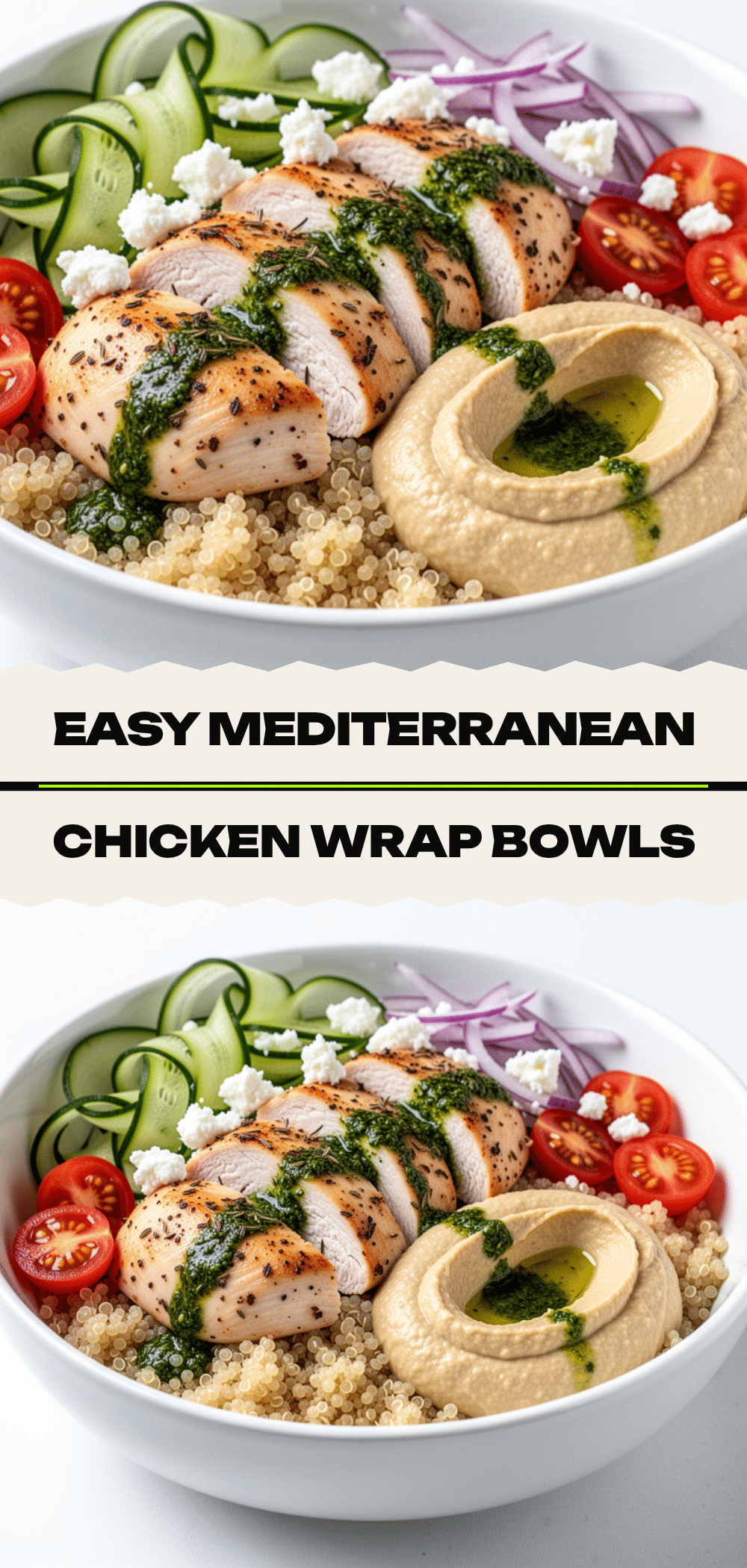
Mediterranean Chicken Wrap Bowls
- Total Time: 40 minutes
- Yield: 6 servings 1x
Description
A vibrant, protein-packed lunch bowl that deconstructs the flavors of a Mediterranean wrap into a mess-free format. Perfect for school lunches, this recipe stays fresh and delicious cold or at room temperature, avoiding soggy tortillas while delivering bright, tangy flavors.
Ingredients
- 1.5 pounds boneless, skinless chicken breasts
- 3 tablespoons extra virgin olive oil (divided)
- 3 cloves garlic, minced
- 2 medium lemons (juice and zest)
- 1.5 cups dry quinoa
- 3 cups water or low-sodium chicken broth
- 1 can (15oz) chickpeas, drained and rinsed
- 1 medium English cucumber, diced
- 1 pint cherry tomatoes, halved
- ½ cup Kalamata olives, pitted and sliced
- ½ cup feta cheese, crumbled
- ¼ medium red onion, finely diced
- ½ cup fresh parsley, chopped
- 1 teaspoon Dijon mustard
- 1 teaspoon dried oregano (divided)
- Sea salt and black pepper to taste
Instructions
- Preheat oven to 400°F (200°C). Line a baking sheet with parchment paper.
- Place chicken breasts on the sheet. Drizzle with 1 tablespoon olive oil and sprinkle with salt, pepper, and ½ teaspoon dried oregano. Rub to coat evenly.
- Bake chicken for 18-20 minutes until internal temperature reaches 165°F. Let rest for 5 minutes before shredding into bite-sized pieces.
- While chicken cooks, rinse quinoa under cold water. Combine with water or broth in a saucepan. Bring to a boil, reduce heat to low, cover, and simmer for 15 minutes. Remove from heat and let sit covered for 5 minutes, then fluff with a fork.
- In a small jar with a lid, combine ¼ cup olive oil, juice of 2 lemons, zest of 1 lemon, minced garlic, Dijon mustard, ½ teaspoon dried oregano, salt, and pepper. Shake vigorously for 30 seconds to emulsify.
- Chop cucumber, halve tomatoes, slice olives, dice red onion, and chop parsley.
- In a large mixing bowl, combine cooked quinoa, shredded chicken, chickpeas, cucumber, tomatoes, olives, red onion, and parsley.
- Pour about half the dressing over the mixture and toss gently to coat. Taste and adjust seasoning or add more dressing as desired.
- Divide into containers and top with crumbled feta cheese. Refrigerate immediately.
Notes
For best results, batch cook chicken and quinoa on Sunday. Store veggies separately to maintain crispness. Assemble bowls each morning. Do not freeze this recipe as quinoa and veggies become mushy upon thawing. If packing for school, use an ice pack to keep the chicken safe. The dressing can be made ahead and stored in the fridge for up to a week.
- Prep Time: 20 minutes
- Cook Time: 20 minutes
- Category: Main Course
- Cuisine: Mediterranean
Nutrition
- Serving Size: 1 bowl
- Calories: 420
- Sugar: 6
- Sodium: 350
- Fat: 14
- Saturated Fat: 4
- Carbohydrates: 45
- Fiber: 8
- Protein: 28
Keywords: Mediterranean Chicken Wrap Bowls, healthy lunch, school lunch ideas, meal prep, gluten-free lunch, high protein lunch, quinoa bowl, chicken wrap deconstructed


