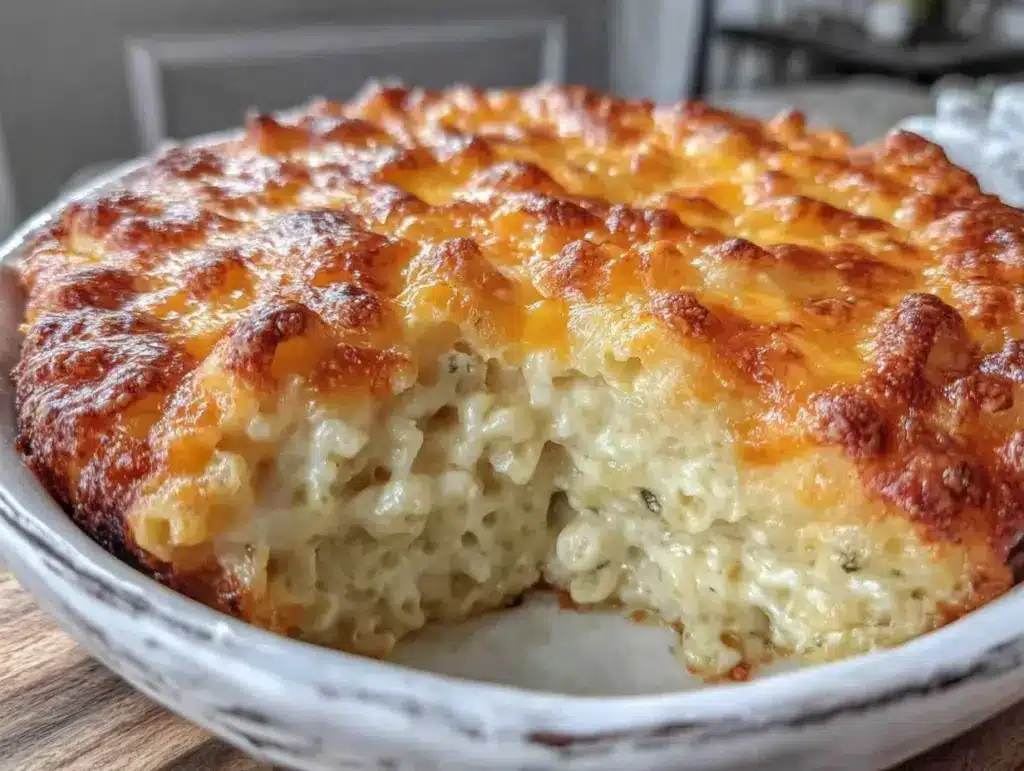
I still remember the smell hitting me the moment I walked through the back door of my grandmother’s house in Ohio. It wasn’t just dinner; it was a hug you could eat. The kitchen was always warm, the linoleum worn smooth by decades of shuffling feet, and the air thick with the scent of melting cheddar and toasted breadcrumbs. She didn’t rush. She never rushed. While I was growing up, impatient for snacks and rushing through homework, she stood at the stove, stirring a roux with the patience of someone who knew that good things take time.
This Classic Three-Cheese Mac and Cheese wasn’t just a side dish; it was the centerpiece of Sunday suppers, holiday gatherings, and those quiet weeknights when she wanted to show she cared without saying a word. I used to think I could replicate it by just throwing cheese in a pot, but I was wrong. I’ve made this recipe so many times in my own kitchen—sometimes burning the bottom, sometimes making it too dry—that I’ve finally cracked the code. It’s not about the fastest method. It’s about the roux, the right cheese blend, and that final bake that creates that crispy, golden crust you fight over.
There’s something deeply comforting about a bowl of homemade mac and cheese. It reminds me of simpler times, of sitting at a chipped Formica table while she told stories about her own mother. This Classic Three-Cheese Mac and Cheese brings that same warmth to your table. It’s rich, creamy, and deeply savory. It’s the kind of dish that makes people ask for the recipe before they’ve even finished their second helping. And once you taste it, you’ll understand why I keep coming back to this specific combination of cheeses and techniques. It’s not just pasta with cheese. It’s memory.
Why You’ll Love This Recipe
Look, I get it. You’re busy. You have work, kids, life. But there are some things worth slowing down for. This Classic Three-Cheese Mac and Cheese is one of them. It’s not complicated, but it demands your attention in the right ways. Here’s why this dish has earned a permanent spot in my rotation:
- It’s Actually Creamy, Not Grainy — I’ve tried shortcuts with processed cheese slices, and they always turn out greasy or grainy. This recipe uses a proper béchamel sauce (the French term for a milk-thickened roux). The result is silkier than any boxed mix. I learned this the hard way after my first attempt separated in the oven. Now, I know exactly how to keep it smooth.
- The Cheese Blend is Balanced — Too much sharp cheddar can be overwhelming. Too much mozzarella makes it gummy. This three-cheese mix strikes the perfect balance. You get the sharp bite of cheddar, the nuttiness of Gruyère, and the stretchy melt of Monterey Jack. It’s complex but familiar.
- The Crust is Non-Negotiable — I won’t accept soft, soggy tops on my mac and cheese. We toast panko breadcrumbs with a little butter and garlic powder. When you scoop into it, the sound should be a satisfying crunch. It adds texture that contrasts with the creamy pasta. It’s the difference between good and great.
- It Feeds a Crowd (or Just You) — This recipe scales beautifully. I make this for family dinners, but I also freeze individual portions for those nights when I don’t want to cook. It reheats beautifully in the oven, bringing back that fresh-baked taste.
- It’s Comfort Food at Its Core — There’s no fancy technique here. No sous-vide, no foam. Just butter, flour, milk, cheese, and pasta. It’s honest food. It reminds me of those slow Sunday afternoons where nothing needed to be achieved except enjoying a bowl of this.
This is my go-to when dinner needs to just work, but also when I need to feel connected to home. It’s simple, but it’s soulful.
Key Ingredients for the Best Mac and Cheese
Let’s talk about what goes into the pot. You don’t need anything exotic, but you do need quality. Since there are only a few ingredients, each one matters. Here’s what I use and why.
Elbow Macaroni (12 oz / 340g) — I stick to classic elbow pasta. The curve holds the sauce perfectly. Some people argue for cavatappi or shells, but elbows are traditional for a reason. Use a good brand like Barilla or De Cecco. Don’t buy the cheap stuff; the texture difference is real.
Unsalted Butter (4 tbsp / 56g) — This is the base of your roux. I use unsalted so I can control the sodium. Salted butter works, but you’ll need to reduce the salt in the recipe. Real butter, not margarine. Your taste buds will thank you.
All-Purpose Flour (4 tbsp / 32g) — Just regular flour. It’s the thickener that turns your melted butter and milk into a luscious sauce. Measure it carefully. Too much flour gives you a pasty texture. I spoon it into the cup and level it off.
Whole Milk (3 cups / 720ml) — Don’t skim. Don’t use 1%. You need the fat for richness. Whole milk creates that velvety mouthfeel. If you’re worried about calories, use 2%, but whole milk is the way my grandmother did it.
Sharp Cheddar Cheese (1.5 cups / 170g, shredded) — This is the star. Buy a block and shred it yourself. Pre-shredded cheese is coated in cellulose (wood pulp) to prevent clumping, which stops it from melting smoothly. I grate it on the large holes of a box grater. Sharp cheddar gives you that punchy, tangy flavor.
Gruyère Cheese (1 cup / 110g, shredded) — This is the secret weapon. Gruyère is a Swiss cheese that’s nutty, slightly sweet, and melts beautifully. It adds depth that cheddar alone can’t provide. If you can’t find it, fontina is a decent substitute, but Gruyère is worth the hunt.
Monterey Jack Cheese (1 cup / 110g, shredded) — This is the melter. It’s mild and creamy, helping to bind the sauce and create that stretchy texture. It balances the sharpness of the cheddar and the nuttiness of the Gruyère.
Panko Breadcrumbs (1 cup / 70g) — For the topping. Panko is lighter and crispier than regular breadcrumbs. I mix it with a little melted butter and garlic powder before sprinkling it on top.
Garlic Powder (1 tsp) — A little goes a long way. It adds a savory background note without the texture of raw garlic.
Mustard Powder (1/2 tsp) — This is a pro tip. Mustard powder doesn’t make it taste like mustard. It enhances the cheese flavor. It’s a subtle trick that makes the cheddar taste more like cheddar.
Smoked Paprika (1/2 tsp) — For a hint of warmth and color. It adds a subtle smokiness that pairs well with the cheese. Skip it if you’re sensitive to spice, but I love it.
Salt and Black Pepper — To taste. Always season your sauce. It needs enough salt to make the cheese pop.
Tools You’ll Need
You don’t need fancy equipment. Here’s what I use:
- Large Pot — I use a 6-quart pot for boiling the pasta. Make sure it’s big enough to let the water move.
- Medium Saucepan — For making the roux and béchamel. I have a heavy-bottomed one that distributes heat evenly, which prevents scorching.
- Box Grater — For shredding your own cheese. It’s worth the five minutes of arm work.
- 9×13 Inch Baking Dish — A ceramic or glass dish works best. I use a Pyrex dish because I can see how the crust is browning.
- Whisk — Essential for the roux. A silicone whisk is great because it scrapes the sides of the pan.
How to Make Classic Three-Cheese Mac and Cheese
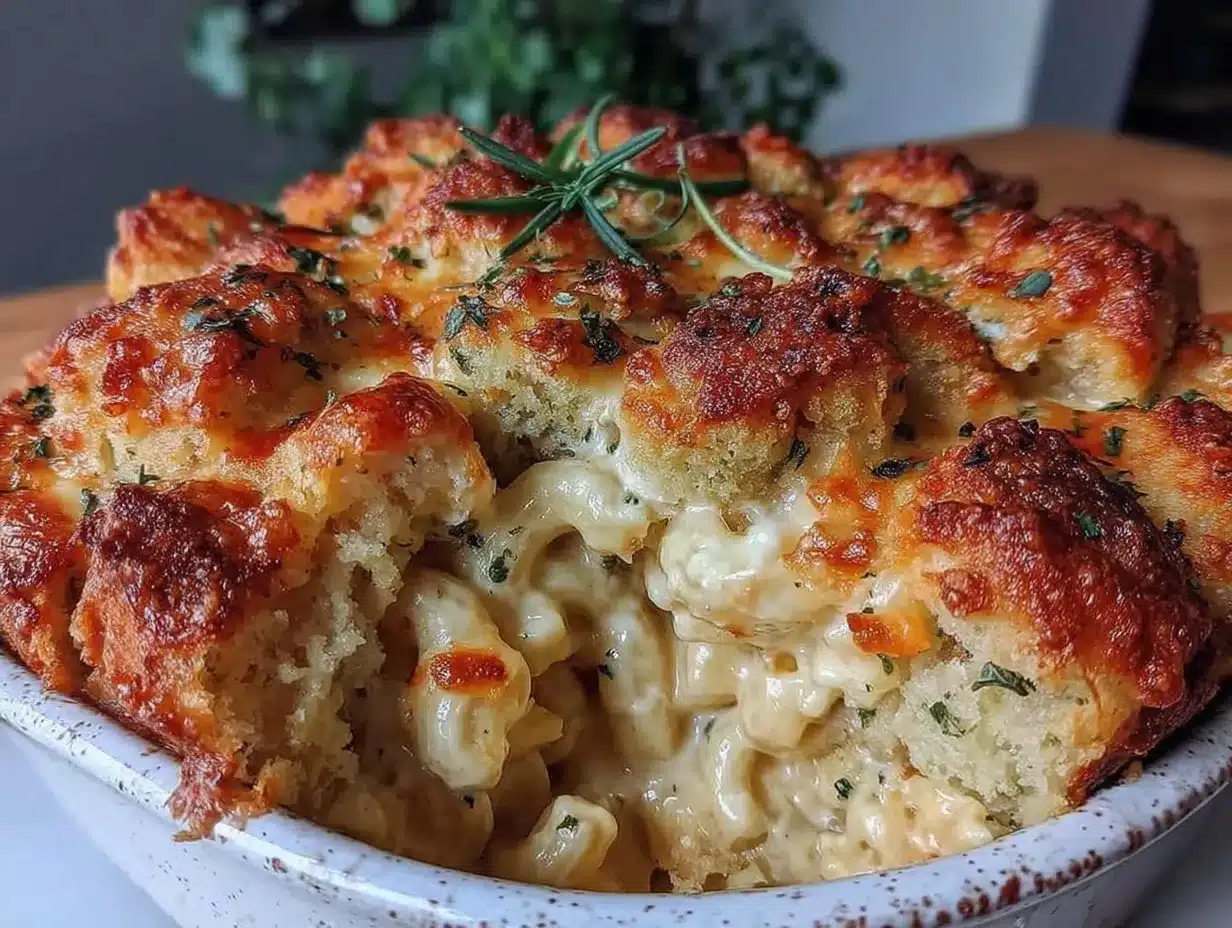
Let’s get into the kitchen. This process is methodical, but it’s easy to follow. Take your time with the roux; it’s the foundation of everything.
Step 1: Boil the Pasta (10 minutes)
Bring a large pot of salted water to a boil. The water should taste like the sea. Add the elbow macaroni and cook according to package directions, but aim for “al dente.” You want it slightly firm because it will continue cooking in the oven. Drain the pasta and set it aside. Do not rinse it! Rinsing removes the starch that helps the sauce cling. Toss the drained pasta with a tiny bit of oil to prevent sticking if you’re not mixing it in immediately.
Step 2: Make the Roux (5 minutes)
In your medium saucepan, melt the butter over medium heat. Once it’s foaming, sprinkle in the flour. Whisk constantly. You’re making a roux, which is just cooked flour and fat. Cook this for about 2 minutes. You want it to turn a light golden color and smell nutty. If you don’t cook it long enough, you’ll taste raw flour. If you burn it, start over. This step takes patience, but it’s crucial for a smooth sauce.
Step 3: Create the Béchamel (5 minutes)
Slowly pour in the milk, a little at a time, whisking constantly. If you pour it all at once, you’ll get lumps. Whisk until the milk is fully incorporated and the mixture is smooth. Continue to cook and whisk for another 3-5 minutes. The sauce will thicken. It’s ready when it coats the back of a spoon. You should be able to draw a line through the sauce with your finger, and it should hold its shape. Remove from heat.
Step 4: Season and Melt the Cheese (3 minutes)
Stir in the mustard powder, smoked paprika, garlic powder, salt, and pepper. Taste the sauce. It should be well-seasoned, even more than you think. Now, add the shredded cheeses one handful at a time, stirring until each addition is melted before adding the next. This ensures a smooth, creamy sauce. Once all the cheese is melted, stir in the cooked pasta. Mix gently but thoroughly until every noodle is coated in that glossy, cheesy goodness.
Step 5: Assemble and Bake (25 minutes)
Preheat your oven to 375°F (190°C). Pour the mac and cheese into your greased 9×13 baking dish. In a small bowl, mix the panko breadcrumbs with melted butter and a pinch of salt. Sprinkle this mixture evenly over the top of the pasta. Bake for 20-25 minutes. You’re looking for a golden-brown, crispy crust and bubbles breaking through the edges. Let it rest for 10 minutes before serving. This step is important—it allows the sauce to set slightly so it doesn’t run out of the bowl when you scoop it.
Total Time: 1 hour (including prep and resting).
Expert Tips from a Mac and Cheese Lover
Here’s everything I learned from making this too many times. Some of these are lessons learned the hard way.
The Game-Changers:
Shred Your Own Cheese
I cannot stress this enough. Pre-shredded cheese contains anti-caking agents that prevent it from melting properly. You’ll end up with a greasy sauce and clumps of unmelted cheese. It takes five minutes, but it’s worth it. Buy blocks and grate them yourself.
Don’t Skip the Resting Time
I know you want to eat it immediately. I get it. But if you cut into it right out of the oven, it will be soupy. Letting it rest for 10 minutes allows the starches to reabsorb some of the liquid, creating a creamier, more cohesive texture. It’s the difference between a casserole and a soup.
Season the Sauce, Not Just the Pasta
Many people season the pasta water but forget the sauce. The sauce is where most of the flavor lives. Taste it before adding the cheese. If it tastes bland now, it will taste bland in the final dish. Cheese is salty, but it’s not enough to save an underseasoned base.
Common Problems & Solutions:
Sauce is Too Thick — If your sauce is thicker than you like, whisk in a little extra warm milk, one tablespoon at a time. It’s easy to fix.
Sauce is Too Thin — If it’s runny, you didn’t cook the roux long enough, or the cheese ratio was off. Next time, ensure your roux turns golden and cook the béchamel until it coats the spoon.
Crust is Burnt — If your top is browning too fast, cover the dish loosely with aluminum foil for the last 10 minutes of baking. This lets the inside heat through without burning the top.
Recipe Variations
Once you’ve nailed the basic version, here’s how to mix it up. This Classic Three-Cheese Mac and Cheese is a versatile canvas.
Broccoli and Bacon Mac
Add steamed broccoli florets and crispy bacon bits. The bitterness of the broccoli and the saltiness of the bacon cut through the richness of the cheese. It’s a hearty meal.
Spicy Jalapeño Mac
Add diced jalapeños and a dash of cayenne pepper to the sauce. Top with sliced jalapeños before baking. It’s a kick that wakes up your palate.
Truffle Mac and Cheese
For a fancy twist, add a teaspoon of truffle oil to the sauce and use Parmesan instead of Monterey Jack. It’s luxurious and perfect for date night.
Vegan Version
Use vegan butter, plant-based milk, and a high-quality vegan cheese blend (like Violife or Daiya). The technique remains the same. It’s surprisingly good.
Gluten-Free Option
Use gluten-free pasta and gluten-free flour for the roux. Most modern GF pasta holds up well in baked dishes. Just be careful not to overcook it, as it can get mushy faster.
Serving & Storage
Serving: I serve this Classic Three-Cheese Mac and Cheese as a main dish with a simple green salad or roasted vegetables. The acidity of a vinaigrette cuts through the richness. It also pairs well with roasted chicken or grilled sausages. For a complete meal, add some garlic bread on the side.
Storage: This doesn’t freeze well in the baked form because the sauce can separate upon reheating. However, you can freeze the unbaked assembled dish. Wrap it tightly and freeze for up to 3 months. Thaw in the fridge overnight and bake as directed. Leftovers keep in the refrigerator for up to 4 days. Reheat in the oven at 350°F to restore the crust. Microwave reheating works but makes the texture softer.
Nutrition Information
I’m not a nutritionist, but here’s the breakdown per serving (assuming 8 servings):
| Nutrient | Amount |
|---|---|
| Calories | 650 |
| Protein | 22g |
| Carbs | 55g |
| Fiber | 2g |
| Fat | 38g |
| Sodium | 750mg |
My Take: This is comfort food with cream and cheese. It’s not diet food. But it’s better than takeout and I know what’s in it. Enjoy it as a special treat or a hearty weekend meal.
Final Thoughts
This Classic Three-Cheese Mac and Cheese is more than a recipe. It’s a connection to my past, a comfort for my present, and a joy to share. I hope it brings the same warmth to your kitchen that it has to mine. Don’t be afraid to make it your own. Add your favorite herbs, swap your cheeses, or make it spicier. The core technique remains the same, but the flavor is yours to define.
If you make this, drop a comment! I love hearing how it turns out in your kitchen. And if you’re looking for other comforting dishes, check out my creamy chicken alfredo pasta bake for another rich, cheesy delight. Happy cooking!
FAQs
Q: Can I use a different type of pasta?
A: Yes, but I recommend sticking to short, sturdy pastas like cavatappi, shells, or penne. Long pasta like spaghetti doesn’t hold the sauce as well and can be tricky to mix with the cheese.
Q: Why is my mac and cheese grainy?
A: This usually happens if you use pre-shredded cheese or if you add the cheese to a sauce that’s too hot. Always shred your own cheese and remove the sauce from heat before adding the cheese. Stir gently to melt.
Q: Can I make this ahead of time?
A: Absolutely. Assemble the dish up to 24 hours in advance. Cover it and refrigerate. When you’re ready to bake, you may need to add 5-10 minutes to the baking time since it’s starting cold.
Q: What cheese is best for mac and cheese?
A: A blend is best. Cheddar for flavor, Gruyère for nuttiness, and Monterey Jack or Mozzarella for melt. Avoid using only one type of cheese, as it can be one-dimensional.
Q: How do I prevent a soggy crust?
A: Toast your breadcrumbs in butter before sprinkling them on top. Also, ensure your mac and cheese is slightly cooled before baking, so the steam doesn’t soften the crumbs immediately.
Pin This Recipe!
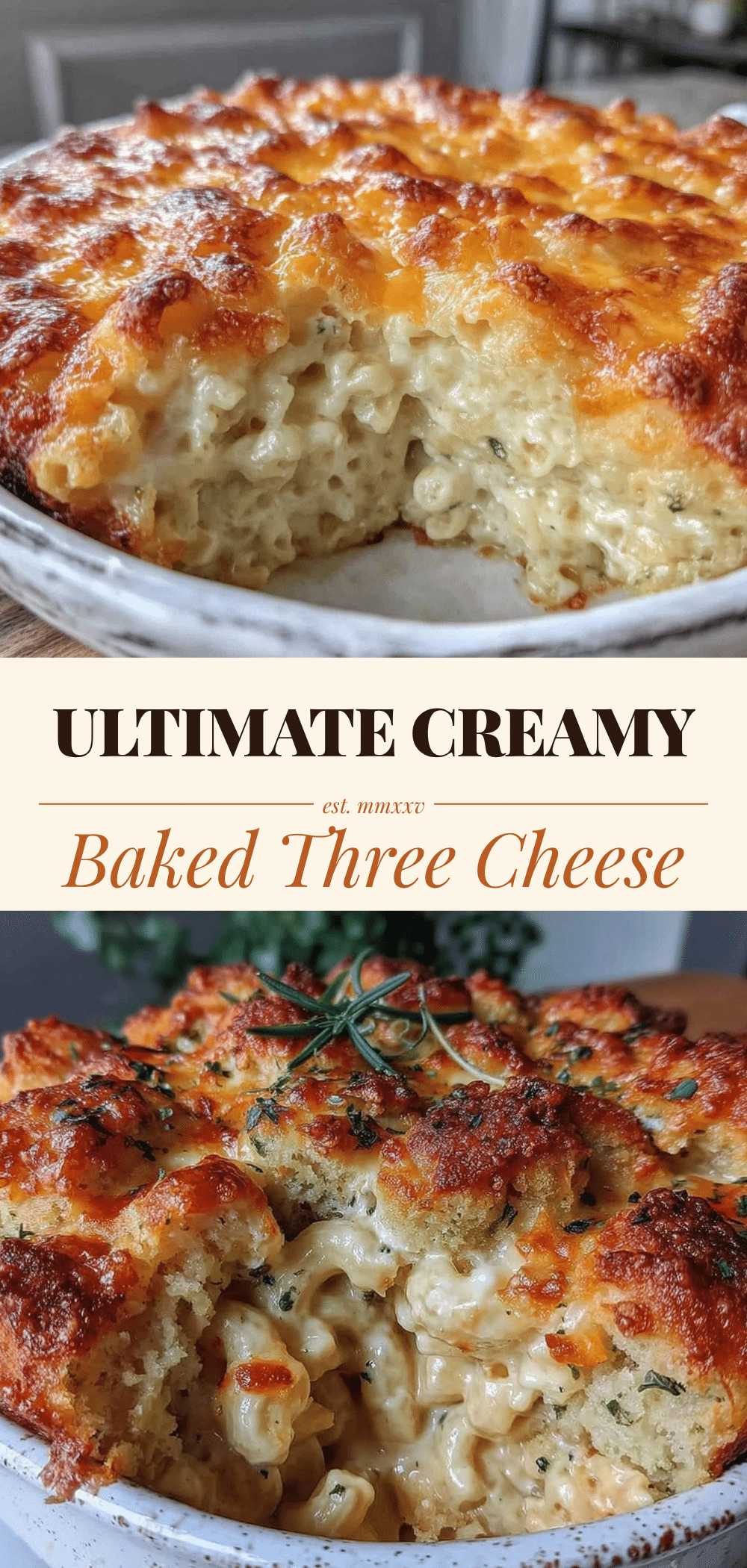
Classic Three-Cheese Mac and Cheese: The Way Grandma Made It
- Total Time: 1 hour
- Yield: 8 servings 1x
Description
A rich, creamy, and deeply savory homemade mac and cheese featuring a perfect blend of sharp cheddar, Gruyère, and Monterey Jack cheeses, topped with a crispy golden panko crust.
Ingredients
- 12 oz elbow macaroni
- 4 tbsp unsalted butter
- 4 tbsp all-purpose flour
- 3 cups whole milk
- 1.5 cups sharp cheddar cheese, shredded
- 1 cup Gruyère cheese, shredded
- 1 cup Monterey Jack cheese, shredded
- 1 cup panko breadcrumbs
- 1 tsp garlic powder
- 1/2 tsp mustard powder
- 1/2 tsp smoked paprika
- Salt and black pepper to taste
Instructions
- Preheat oven to 375°F (190°C).
- Bring a large pot of salted water to a boil. Cook elbow macaroni until al dente, drain, and set aside without rinsing.
- In a medium saucepan, melt butter over medium heat. Whisk in flour and cook for 2 minutes until light golden and nutty.
- Slowly whisk in milk, a little at a time, until smooth. Cook for 3-5 minutes until the sauce thickens and coats the back of a spoon.
- Remove from heat. Stir in mustard powder, smoked paprika, garlic powder, salt, and pepper.
- Add shredded cheeses one handful at a time, stirring until melted before adding the next.
- Stir in the cooked pasta until evenly coated.
- Pour mixture into a greased 9×13 inch baking dish.
- Mix panko breadcrumbs with melted butter and a pinch of salt; sprinkle evenly over the top.
- Bake for 20-25 minutes until golden brown and bubbly.
- Let rest for 10 minutes before serving.
Notes
Shred your own cheese to avoid anti-caking agents that prevent smooth melting. Do not skip the 10-minute resting time to allow the sauce to set. If the crust browns too quickly, cover loosely with foil for the last 10 minutes.
- Prep Time: 15 minutes
- Cook Time: 45 minutes
- Category: Main Course
- Cuisine: American
Nutrition
- Serving Size: 1 serving (approx. 1
- Calories: 650
- Sugar: 8
- Sodium: 750
- Fat: 38
- Saturated Fat: 20
- Carbohydrates: 55
- Fiber: 2
- Protein: 22
Keywords: mac and cheese, three cheese mac, comfort food, homemade mac and cheese, cheddar, gruyere, montery jack, baked pasta, family dinner


