Last Tuesday, I was standing in my kitchen at 6:45 PM, staring into the abyss of an empty fridge. My husband had just walked in the door, exhausted from a 10-hour shift, and my two kids were already arguing over who got the last slice of cheese. The usual “what’s for dinner?” anxiety started to creep up. I didn’t have time to marinate anything. I didn’t have the energy to chop vegetables for an hour. And I definitely didn’t want to order takeout, which would cost more than our weekly grocery budget and arrive cold.
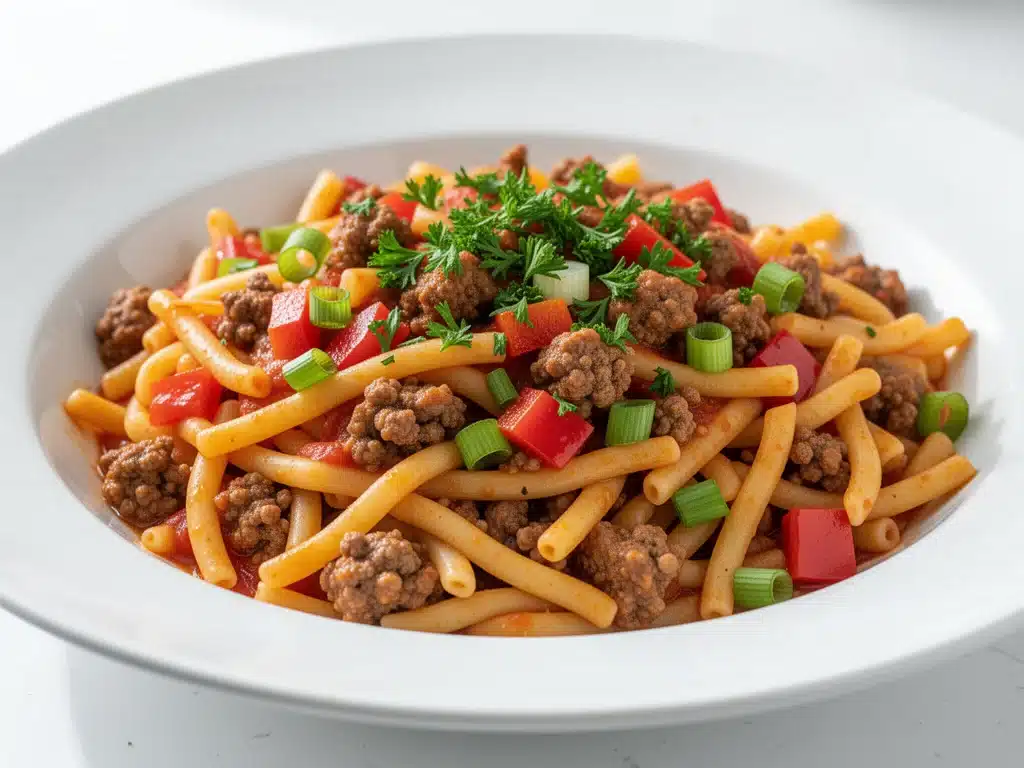
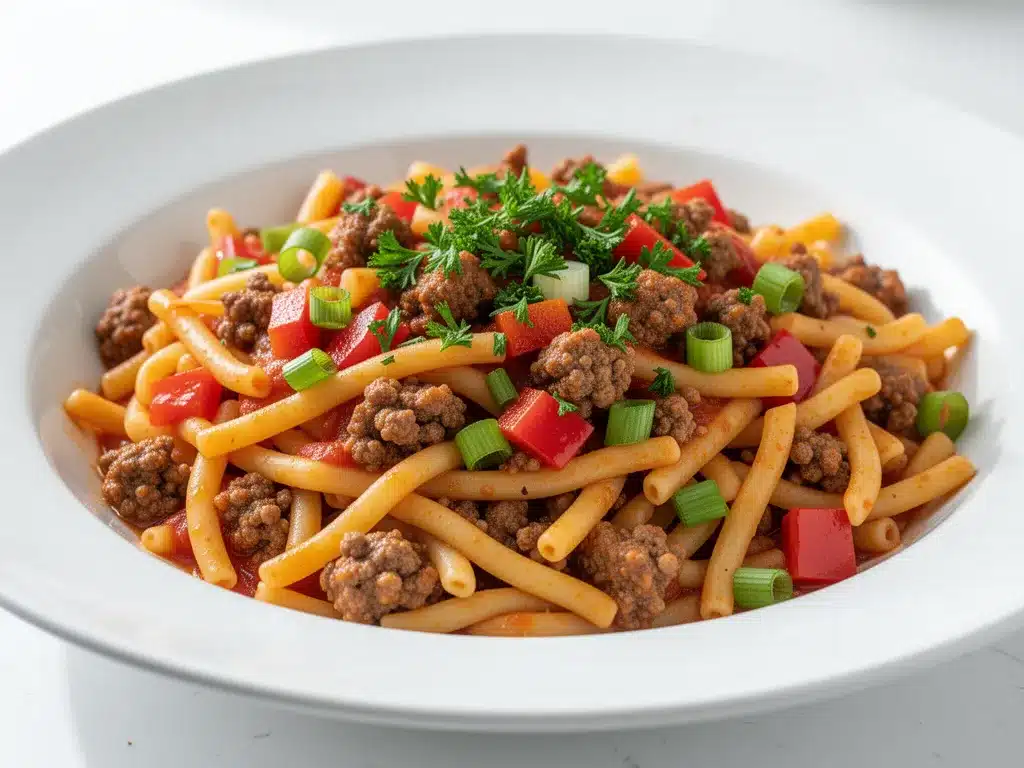
Then I saw a package of ground beef in the freezer that had been hiding behind a bag of frozen peas, and a box of elbow macaroni on the counter. It was a classic combination, but I knew I couldn’t just boil noodles and dump ketchup on them. That’s how I ended up making my Skillet Ground Beef Goulash. It’s not traditional Hungarian goulash (which is a stew), and it’s not American mac and cheese. It’s something in between—a cheesy, savory, one-pan wonder that comes together in the time it takes to take off your shoes.
I’ve made this Skillet Ground Beef Goulash recipe at least a dozen times since that chaotic Tuesday. It has become my secret weapon for busy weeknights. It’s hearty enough to fill up growing teenagers, comforting enough to soothe tired adults, and simple enough that even my ten-year-old can help with the prep. The best part? It all happens in one skillet. One. Pan. That means one less dish to wash, which, let’s be honest, is half the battle with three kids.
If you’re skeptical about making a “goulash” in 20 minutes, I get it. I was too. But trust me, the key is in the technique—specifically, how you build the sauce and when you add the pasta. Once you try this, you’ll understand why it’s become a staple in our rotation. It’s not just dinner; it’s peace of mind.
Why You’ll Love This Skillet Ground Beef Goulash
There are a million reasons to keep this recipe bookmarked, but here are the ones that actually matter when you’re hungry and tired:
- Lightning Fast — Seriously, if you can brown meat and boil water, you can make this. From the moment I turn on the stove to the moment we sit down, it’s exactly 20 minutes. I time it. I’ve timed it. It’s real.
- One-Pan Cleanup — This is the biggest selling point for me. I cook everything in one large skillet. The beef, the sauce, the pasta, and the cheese all come together in the same vessel. No pot for the noodles, no separate saucepan, no baking dish. Just one skillet to soak. My husband actually thanked me for this last week. That’s how you know it’s good.
- Pantry-Friendly Ingredients — You probably have 90% of this already. Ground beef, pasta, canned tomatoes, onion, garlic, and cheese. If you have these, you have dinner. I keep these stocked specifically so I can throw this together when life gets crazy.
- Kid-Approved Flavor — It’s cheesy, it’s salty, and it has that comfort-food texture that kids love. But it’s also seasoned well enough with paprika and herbs that adults won’t roll their eyes. I’ve served this to my pickiest eater (my husband, ironically) and he asked for seconds. That’s the gold standard.
- Budget-Smart — Feeds 4-6 people for under $15. Ground beef is cheap, pasta is cheap, and canned tomatoes are cheap. This costs less than a single trip to a fast-food drive-thru for the whole family.
This is my go-to when I need dinner to just work. No complicated techniques, no weird ingredients, no stress. Just reliable, delicious food that makes everyone happy.
Ingredients You’ll Need for Skillet Ground Beef Goulash
Here’s the best part: you probably have most of this already. I’m particular about a few things here, so pay close attention to the notes.
For the Base
Ground beef (1 pound / 450g) — I use 80/20 fat ratio. It adds flavor and keeps the dish juicy. If you’re using leaner beef (90/10 or 93/7), you might want to add a tablespoon of butter when sautéing the onions so it doesn’t dry out.
Yellow onion (1 medium, diced / about 150g) — Sweet onions work too, but yellow gives better depth. White onions are too sharp for this. Dice it small so it cooks quickly and blends into the sauce.
Garlic (3 cloves, minced / about 1 tablespoon) — Fresh only. No jarred garlic in this recipe. It tastes metallic and ruins the fresh flavor of the sauce. Take the 30 seconds to mince it yourself.
Elbow macaroni (12 ounces / 340g) — Short pasta is essential here. Elbows are traditional, but shell pasta or rotini work just as well. Avoid long pasta like spaghetti; it won’t absorb the sauce the same way in a skillet.
Beef broth (1 cup / 240ml) — Low-sodium is best so you can control the salt. Chicken broth works too if you want to lighten it up slightly.
For the Flavor
Canned diced tomatoes (14.5 ounces / 411g) — Do not drain these! The juice is part of the sauce base. Look for no-salt-added if possible.
Tomato paste (2 tablespoons) — This adds richness and depth. It’s not just for flavor; it helps thicken the sauce so it coats the pasta nicely.
Smoked paprika (1 teaspoon) — This is the secret weapon. It gives that subtle smoky flavor that makes it taste like a slow-cooked stew, even though it’s done in 20 minutes. Regular paprika works, but smoked is better.
Dried oregano (1 teaspoon) — Adds that classic herbal note. If you don’t have oregano, Italian seasoning works fine.
Salt and black pepper — To taste. I usually start with 1 teaspoon of salt and ½ teaspoon of pepper.
For the Cheese
Cheddar cheese (1.5 cups / 150g, shredded) — Sharp cheddar is best because it has more flavor. Mild cheddar works, but the dish will be less savory. Buy the block and shred it yourself. Pre-shredded cheese has anti-caking agents that prevent it from melting smoothly.
Mozzarella cheese (½ cup / 50g, shredded) — Optional, but it adds that stretchy, gooey texture that kids go crazy for. I use it about half the time.
Optional Add-ins
Green bell pepper (1 small, diced) — I add this sometimes for extra crunch and color. It sautés quickly with the onion.
Ketchup (1 tablespoon) — Some people add this for tanginess. I usually skip it because the tomatoes provide enough acidity, but if you like that sweet-tart flavor, go for it.
Equipment Needed
You don’t need fancy equipment for this. Here’s what I actually use:
12-inch skillet or Dutch oven — I use a stainless steel skillet with a glass lid. The lid is important because we need to trap steam to cook the pasta in the sauce. If you don’t have a lid, a baking sheet or foil works in a pinch.
Wooden spoon — For stirring the beef and sauce. Silicone works too. Don’t use metal if you’re using a non-stick pan.
Measuring cups and spoons — Standard stuff. Dollar store versions work fine.
Colander — Optional. If you choose to boil the pasta separately, you’ll need this. But if you’re cooking it in the sauce (my preferred method), you don’t need one.
Box grater — For shredding the cheese yourself. It takes two minutes and makes a huge difference in the final texture.
How to Make It: Step-by-Step
Alright, let’s make this! I’m walking you through exactly how I do it, including the little tricks I’ve picked up over the years.
Step 1: Brown the Beef (5 minutes)
Heat your 12-inch skillet over medium-high heat. Add the ground beef, breaking it up with your wooden spoon as it cooks. You want to cook it until it’s no longer pink, about 5-6 minutes. Don’t rush this step—if you don’t brown it well, the dish will taste boiled instead of roasted. Once it’s browned, drain any excess grease if you want, but leave a little bit for flavor. I usually leave about a tablespoon.
Step 2: Sauté the Aromatics (2 minutes)
Push the beef to one side of the skillet (or just make a well in the middle) and add the diced onion. Cook for 2 minutes until it starts to soften and turn translucent. Add the minced garlic and smoked paprika. Stir constantly for 30 seconds until fragrant. Be careful not to burn the garlic—it turns bitter instantly. If it looks like it’s getting too dark, lower the heat.
Step 3: Build the Sauce (3 minutes)
Stir in the tomato paste and cook for 1 minute, stirring constantly. This “toasts” the tomato paste and deepens the flavor. Then, pour in the canned diced tomatoes (with their juice) and the beef broth. Scrape up any browned bits from the bottom of the pan—those are flavor bombs. Stir in the oregano, salt, and pepper. Let the mixture come to a simmer.
Step 4: Cook the Pasta in the Sauce (8-10 minutes)
This is the magic step. Add the dry elbow macaroni directly to the skillet. Stir well to make sure every noodle is submerged in the liquid. The pasta will absorb the sauce as it cooks, which is why it tastes so good. Cover the skillet with a lid and reduce the heat to medium-low. Let it simmer for 8-10 minutes, stirring every 2-3 minutes to prevent sticking. The liquid will reduce, and the pasta will become tender. Taste a noodle at the 8-minute mark—it should be al dente. If it’s still hard, add a splash of water and cook 2 more minutes.
Step 5: Melt the Cheese (2 minutes)
Once the pasta is cooked and the sauce has thickened (it should coat the back of a spoon), remove the skillet from the heat. This is crucial—don’t add cheese while it’s on high heat, or it will break and become grainy. Sprinkle the shredded cheddar (and mozzarella, if using) over the top. Cover the skillet again and let it sit for 1-2 minutes until the cheese is melted. Stir gently to combine. The sauce will become creamy and glossy.
Step 6: Serve
Serve immediately while hot and cheesy. Top with fresh parsley if you have it, or a crack of black pepper. I usually serve this straight from the skillet at the table—it looks rustic and stays warm.
Total Time: About 20 minutes (10 minutes active, 10 minutes simmering)
Expert Tips & Tricks for Perfect Skillet Ground Beef Goulash
Here’s everything I’ve learned from making this dozens of times. These tips will save you from my mistakes.
- Don’t Drain the Tomatoes — I know it feels like you should drain them, but the juice is essential for cooking the pasta. The starch from the pasta will thicken the sauce later. If you drain them, your goulash will be dry and the pasta won’t cook properly.
- Stir Frequently — Pasta loves to stick to the bottom of the pan, especially in a skillet. Stir every 2-3 minutes during the simmering phase. This prevents burning and ensures even cooking.
- Shred Your Own Cheese — Pre-shredded cheese contains cellulose, which prevents it from melting smoothly. Your goulash will look oily and grainy. Grate a block of cheddar—it takes two minutes and makes a world of difference.
- Off Heat for Cheese — Always remove the skillet from the heat before adding cheese. High heat causes cheese to separate. Let the residual heat melt it gently.
- Adjust Liquid as Needed — Every stove and skillet is different. If the liquid evaporates too quickly and the pasta is still hard, add ¼ cup of water or broth. If it’s too soupy, cook uncovered for a few more minutes.
Common Mistakes (and how to avoid them)
Mistake: Pasta is mushy. Fix: Cook for less time. The pasta continues to cook slightly after you remove it from heat. Aim for al dente, then add the cheese.
Mistake: Sauce is too thin. Fix: Let it simmer longer uncovered, or add a bit more cheese. The starch from the pasta should thicken it, but if it’s still thin, a little extra cheese helps.
Mistake: Everything is too salty. Fix: Use low-sodium broth and no-salt-added tomatoes. You can always add more salt, but you can’t take it away.
Variations & Substitutions
Once you’ve nailed the basic version, here’s how you can mix it up. I’ve tried all of these.
Vegetable-Loaded
Add 1 cup of diced bell peppers or spinach when you sauté the onions. The spinach will wilt right in during the simmering phase. This is how I sneak veggies into my kids’ meals.
Spicy Version
Add ½ teaspoon of cayenne pepper or a diced jalapeño with the onions. Top with hot sauce when serving. Great if you like a kick.
Chicken Version
Swap ground beef for ground chicken or turkey. Use chicken broth instead of beef broth. It’s lighter but still delicious.
Gluten-Free
Use gluten-free elbow macaroni. Everything else is naturally gluten-free. I’ve used Barilla gluten-free pasta and it works great—just watch the cooking time, as GF pasta can cook faster.
Dairy-Free
Use dairy-free cheddar shreds (like Daiyo or Violife) and skip the mozzarella. It’s not quite the same melt, but it still tastes good. You can also add a splash of olive oil at the end for richness.
Slow Cooker Version
If you don’t have time for the skillet method, you can make this in a slow cooker. Brown the beef first, then add all ingredients (except cheese) to the slow cooker. Cook on low for 4-5 hours. Add cheese in the last 30 minutes. It’s less efficient but hands-off.
Serving & Storage
How to Serve
I usually serve this straight from the skillet at the dinner table—it looks rustic and stays warm. But here are other ways I’ve enjoyed it:
- Garlic bread — Obviously. You need something to soak up the extra sauce.
- Simple green salad — A crisp salad with vinaigrette cuts through the richness of the cheese.
- Steamed broccoli — Adds a healthy green element and crunch.
Storage Instructions
Refrigerator: Store in an airtight container for up to 4 days. The sauce will thicken in the fridge—totally normal.
Reheating: Best method: Add to a skillet with a splash of milk or broth over low heat. Stir until heated through and creamy again. Microwave method: Heat in 30-second intervals, stirring between. Add a splash of milk if it’s too thick. Never works: Trying to reheat in the pot you cooked it in. It always burns on the bottom. Ask me how I know.
Freezing: Honestly, this doesn’t freeze well because of the dairy. The sauce separates when thawed. Make it fresh or store in the fridge for up to 4 days.
Nutrition Information
I’m not a nutritionist, but here’s the breakdown if you’re tracking.
Per Serving (based on 6 servings):
- Calories: 480
- Protein: 22g
- Carbs: 45g
- Fiber: 3g
- Sugar: 6g
- Fat: 22g
- Saturated Fat: 10g
- Cholesterol: 65mg
- Sodium: 650mg
What’s Good: Decent protein from beef and cheese. Calcium from the cheese. More filling than it looks.
What to Know: Higher in calories from cheese and beef. Contains dairy and gluten. Moderate sodium (use low-sodium broth to reduce).
My Take: Look, this is comfort food with cheese and beef. It’s not a diet recipe. But it’s way better than takeout, costs less, and I know exactly what’s in it. When I want to make it lighter, I use leaner beef and less cheese. But usually? I just eat a reasonable portion and enjoy it.
Final Thoughts
So that’s my Skillet Ground Beef Goulash! I’ve probably talked your ear off at this point, but when you make a recipe this often, you have a lot to say about it. This has saved weeknight dinners more times than I can count. It’s my answer to “what’s for dinner” when I’m tired, don’t want takeout, and still want something that tastes really good. My kids are happy, my husband’s happy, and I’m happy because I’m not stressed about cooking.
Make it yours! Try different add-ins, swap in your favorite vegetables, adjust the spice level. The best recipes are the ones you adapt to your family’s tastes. If you make this, drop a comment and let me know what you think! I love hearing how recipes turn out in your kitchen. And if something doesn’t work, tell me that too—I’m here to help troubleshoot.
Happy cooking! And I hope your kitchen smells half as good as mine does right now.
Frequently Asked Questions
Can I use ground turkey instead of beef?
Yes, absolutely. Ground turkey works great, but it’s leaner, so you might want to add a tablespoon of butter or olive oil when sautéing the onions to keep it moist. Use chicken broth instead of beef broth if you prefer.
Why did my sauce turn out watery?
This usually happens if you didn’t simmer the pasta long enough, or if you drained the canned tomatoes. Make sure to use the tomato juice, and let the pasta cook in the sauce until it’s tender and the liquid has reduced. If it’s still watery, cook uncovered for a few more minutes.
Can I make this ahead for a dinner party?
Sort of. You can prep the beef and sauce ahead of time and store it in the fridge. When you’re ready to eat, add the pasta and cook as directed. It won’t be quite as good as fresh, but it’s close and saves you stress during the party.
Why did my cheese get grainy?
The heat was too high when you added the cheese. Cheese needs gentle heat to melt smoothly. Always remove the skillet from the burner before adding cheese, then stir it in off heat. If it’s already grainy, try whisking in a splash of warm cream—sometimes you can save it.
Can I use different pasta shapes?
Yes! Shell pasta, rotini, or even small bowtie pasta work well. Just make sure it’s a short pasta that can be submerged in the sauce. Avoid long pasta like spaghetti or linguine.
How do I reheat leftovers without it getting dry?
Add a splash of milk or broth to a skillet, add your leftover goulash, and heat gently over low heat, stirring frequently. The extra liquid brings back the creamy texture. Microwave sort of works but tends to dry it out. If you do microwave, definitely add a splash of milk first and heat in short bursts, stirring between.
Can I double this recipe?
Absolutely! Double everything and use your biggest skillet or a Dutch oven. The cooking times stay roughly the same, but you may need to stir more frequently to prevent sticking. I do this when I’m meal-prepping or feeding a crowd.
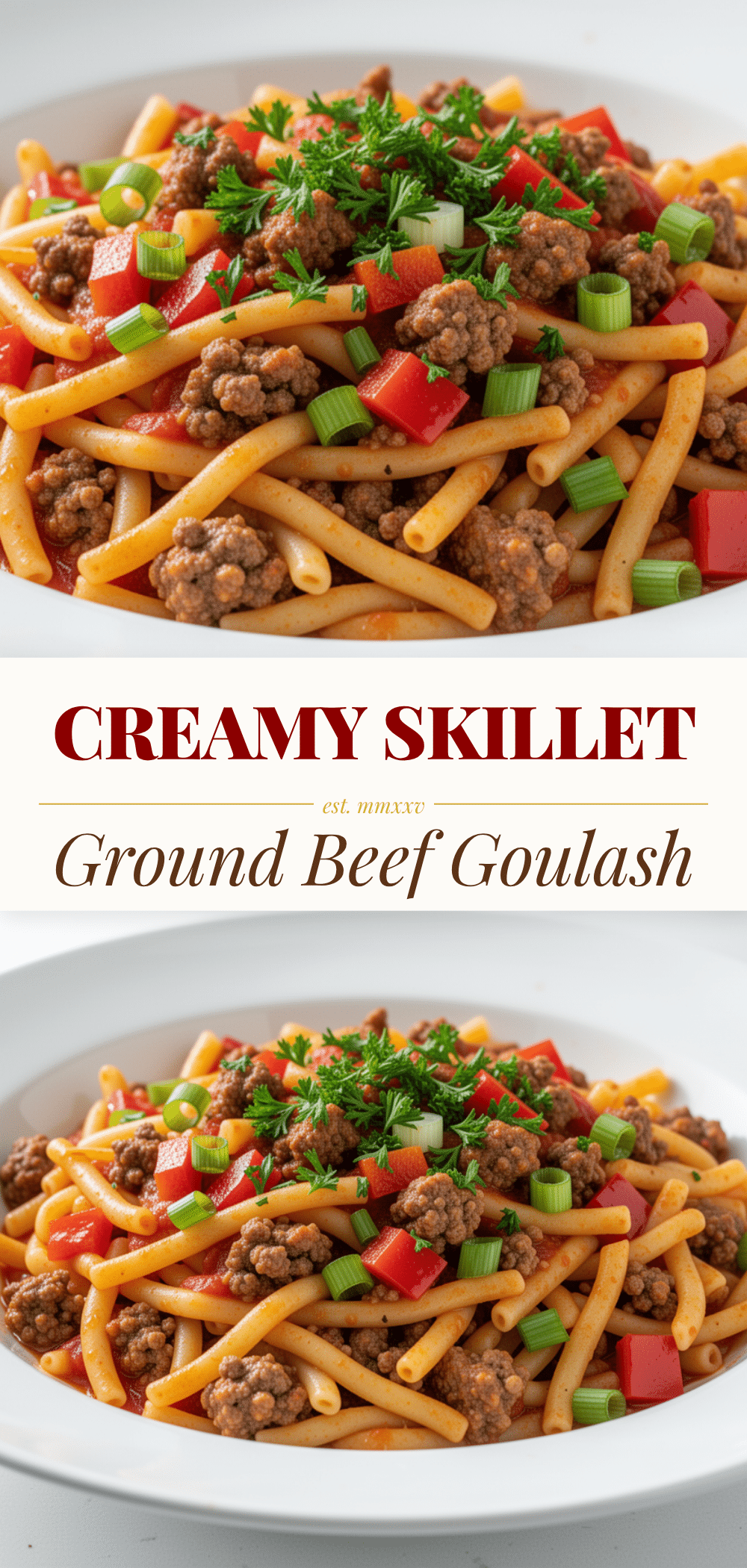
Pin This Recipe!
Skillet Ground Beef Goulash: Easy 20 Min Family Dinner
- Total Time: 20 minutes
- Yield: 4-6 servings 1x
Description
A cheesy, savory, one-pan ground beef and pasta dish that comes together in just 20 minutes. Perfect for busy weeknights, this budget-friendly meal requires minimal cleanup and is kid-approved.
Ingredients
- 1 pound (450g) ground beef (80/20 fat ratio recommended)
- 1 medium yellow onion, diced
- 3 cloves garlic, minced
- 12 ounces (340g) elbow macaroni
- 1 cup (240ml) beef broth (low-sodium)
- 14.5 ounces (411g) canned diced tomatoes (do not drain)
- 2 tablespoons tomato paste
- 1 teaspoon smoked paprika
- 1 teaspoon dried oregano
- 1 teaspoon salt (or to taste)
- 1/2 teaspoon black pepper (or to taste)
- 1.5 cups (150g) shredded sharp cheddar cheese
- 1/2 cup (50g) shredded mozzarella cheese (optional)
- 1 small green bell pepper, diced (optional)
- 1 tablespoon ketchup (optional)
Instructions
- Heat a 12-inch skillet over medium-high heat. Add ground beef and break it up with a wooden spoon. Cook for 5-6 minutes until browned and no longer pink. Drain excess grease if desired, leaving about a tablespoon for flavor.
- Push beef to one side or make a well in the center. Add diced onion and cook for 2 minutes until softened. Add minced garlic and smoked paprika, stirring constantly for 30 seconds until fragrant. Be careful not to burn the garlic.
- Stir in tomato paste and cook for 1 minute to toast it. Pour in canned diced tomatoes (with juice) and beef broth. Scrape up browned bits from the bottom of the pan. Stir in oregano, salt, and pepper. Bring to a simmer.
- Add dry elbow macaroni directly to the skillet. Stir to ensure noodles are submerged. Cover with a lid, reduce heat to medium-low, and simmer for 8-10 minutes, stirring every 2-3 minutes to prevent sticking. Pasta should be al dente.
- Once pasta is cooked and sauce has thickened, remove skillet from heat. Sprinkle shredded cheddar (and mozzarella if using) over the top. Cover and let sit for 1-2 minutes until cheese is melted. Stir gently to combine.
- Serve immediately while hot. Top with fresh parsley or black pepper if desired.
Notes
Do not drain the canned tomatoes; the juice is essential for cooking the pasta. Shred your own cheese to ensure smooth melting, as pre-shredded cheese contains anti-caking agents. Always remove the skillet from heat before adding cheese to prevent it from becoming grainy. If the sauce is too thin, simmer uncovered longer. If too thick, add a splash of water or broth.
- Prep Time: 10 minutes
- Cook Time: 10 minutes
- Category: Main Course
- Cuisine: American
Nutrition
- Serving Size: 1 serving (approx. 1
- Calories: 480
- Sugar: 6
- Sodium: 650
- Fat: 22
- Saturated Fat: 10
- Carbohydrates: 45
- Fiber: 3
- Protein: 22
Keywords: skillet goulash, ground beef recipe, one pan dinner, easy family dinner, 20 minute meals, comfort food, budget friendly dinner, kid approved meals


