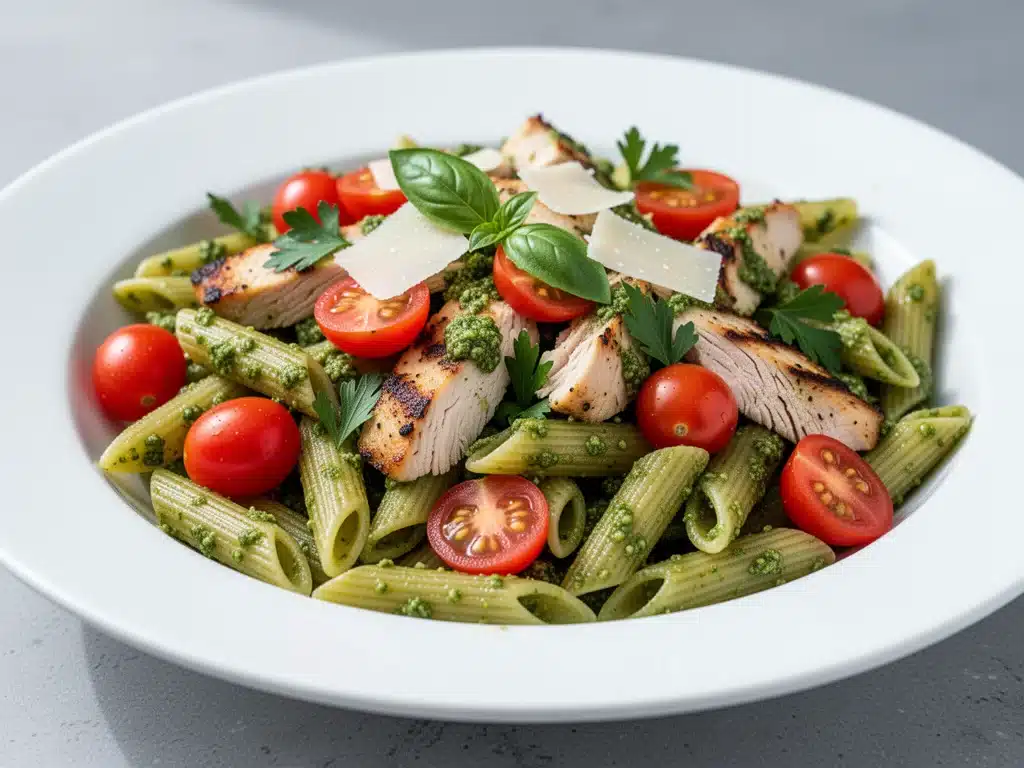
Last July, the kind of heat that makes the asphalt shimmer hit our little town. I’m talking the kind of temperature where you step outside for five minutes and immediately feel like you’ve been placed in a slow cooker. My husband, bless his heart, suggested we order takeout because neither of us wanted to turn on the oven. We were both sweating just thinking about it.
But here’s the thing about me: I hate waste, and I really hate eating lukewarm Chinese food on a Tuesday. So, I looked around my kitchen and saw a bag of dry pasta, a jar of basil pesto I’d bought on sale, some leftover rotisserie chicken from Sunday, and a handful of cherry tomatoes that were starting to get soft. I figured, why not? I tossed it all together with a little lemon and some mozzarella, expecting a mediocre cold noodle dish.
Thirty minutes later, my husband walked into the kitchen, saw the bowl on the counter, and said, “Is that the good lunch?” Turns out, it was. It was better than good. It was cold, refreshing, packed with flavor, and required zero standing over a hot stove. That was the birth of my go-to pesto chicken pasta salad. It’s become our summer staple, the answer to “what’s for lunch” when the heat is on and my energy is off.
I’ve made this pesto chicken pasta salad probably fifty times since then. I’ve tweaked it, tested it, and perfected it. Some people think pasta salad is just leftover pasta with mayo, but this? This is vibrant. It’s herby. It’s got that punch of garlic and basil that wakes you up. And the best part? It actually tastes better the next day, which is perfect for meal prep or when you’re hosting a backyard BBQ and need to make sure you have enough food.
If you’re looking for a way to beat the heat without sacrificing flavor, this is your recipe. It’s easy, it’s fast, and it’s going to make your kitchen smell like an Italian garden instead of a sauna.
Why You’ll Love This Pesto Chicken Pasta Salad
There are a lot of reasons I keep coming back to this dish, but if I had to narrow it down to the big wins, they’d look something like this:
- Zero Cooking Stress — Seriously. You boil pasta, you chop veggies, you mix. That’s it. No sautéing, no roasting, no babysitting a pan. I’ve made this while helping my kid with homework. It’s that hands-off.
- Perfectly Portable — This travels well. I’ve packed it in Tupperware for work lunches, brought it to picnics, and even took it to a potluck where the serving spoon disappeared twice. It holds up in the fridge for days without getting soggy or weird.
- Flavor That Actually Develops — Unlike some salads that taste best immediately, this one gets better as it sits. The pasta absorbs the pesto, the lemon brightens everything, and the flavors meld together overnight. It’s like the dish is marinating in flavor.
- Pantry and Fridge Friendly — You probably have most of this already. Pasta, pesto, chicken, lemon, maybe some cheese. It’s a “clean out the fridge” kind of meal, which is exactly what you want on a busy weeknight.
- Kid-Approved — My picky eater who usually refuses anything with “green stuff” in it asks for this. The pesto makes the pasta taste good, and the chicken is just chicken. Win-win.
This is my answer to hot weather cooking. It’s reliable, it’s delicious, and it doesn’t require me to turn on the oven. It’s the kind of lunch that makes you happy just looking at it.
Ingredients You’ll Need
Here’s the best part: you probably have most of this already in your kitchen. This pesto chicken pasta salad is built on simple, accessible ingredients. I’m particular about a few of them, though, so pay attention to the details.
For the Pasta Base
Rotini or Fusilli pasta (12 oz / 340g) — I prefer spiral shapes because they trap the pesto and veggies inside the coils. Penne works too, but flat spaghetti gets messy and slippery. I use Barilla because it holds its texture well even when chilled. Don’t overcook it! You want it al dente.
Water and salt — For boiling the pasta. Use plenty of salt. The water should taste like the ocean. This is your only chance to season the pasta itself.
For the Protein
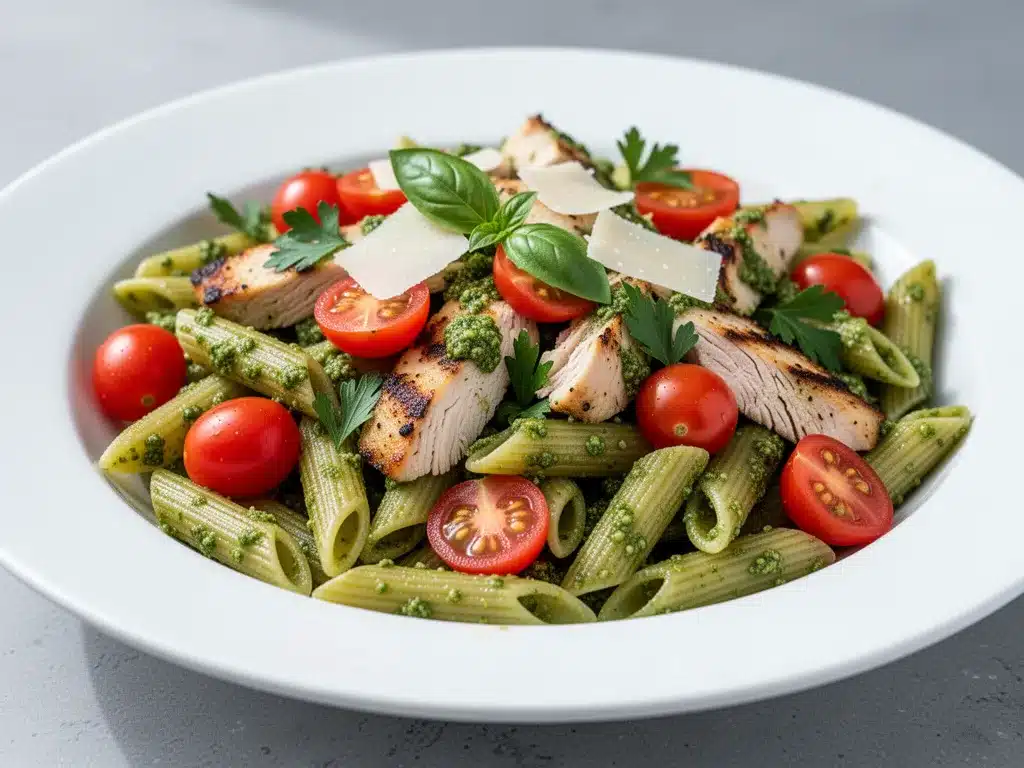
Rotisserie chicken (2 cups / shredded or diced / about 280g) — This is the secret to making this pesto chicken pasta salad in 30 minutes. Don’t roast chicken from scratch unless you have time. Use a store-bought one. Or use leftover grilled chicken. Or even canned chicken (I won’t judge, I’ve been there). Just make sure it’s cooked and ready to go.
Optional: Freshly grilled chicken — If you’re already firing up the grill for burgers, cook a couple of breasts, let them rest, and shred them. It adds a smoky flavor that’s really nice.
For the Flavor
Basil pesto (½ to ¾ cup / 120-180ml) — This is the star. I use a high-quality jarred pesto for convenience, but if you have homemade, use that! Look for one that’s mostly basil and olive oil, not too many nuts or preservatives. Classico or store-brand organic works well. If it’s too thick, you can thin it out with a little olive oil.
Extra virgin olive oil (2 tablespoons) — Adds richness and helps emulsify the sauce. Don’t skip it. It balances the pesto’s intensity.
Lemon juice (2 tablespoons fresh) — Fresh lemon is non-negotiable. Bottled lemon juice tastes flat and bitter. Squeeze a real lemon. It brightens up the heavy pesto and cuts through the richness.
Garlic (1 clove, minced) — Raw garlic adds a nice kick. If you’re sensitive, you can use roasted garlic or skip it, but I recommend it for depth.
Dijon mustard (1 teaspoon) — This is my little secret. It adds a tangy depth that makes the dressing feel more complex. You won’t taste the mustard directly, but you’ll miss it if it’s gone.
For the Mix-Ins
Cherry tomatoes (1 cup, halved) — Sweet, juicy, and colorful. They add a fresh burst of flavor. Use whatever color you have—red, yellow, or orange all work.
Mozzarella cheese (1 cup, cubed or ball mozzarella torn into chunks) — Fresh mozzarella balls (bocconcini) are amazing here. They’re soft and creamy. If you use pre-shredded mozzarella, it’s fine, but it won’t have that fresh melt-in-your-mouth texture.
Red onion (¼ cup, finely diced) — Adds a sharp crunch. If you’re worried about raw onion bite, soak the diced onion in cold water for 10 minutes, then drain. It mellows it out.
Fresh basil leaves (½ cup, torn) — For garnish and extra herbal flavor. It makes the dish look beautiful and smell incredible.
Black pepper — To taste. Freshly cracked is best.
Substitutions & Tweaks
Vegetarian version — Just skip the chicken. Add a can of drained chickpeas or some white beans for protein. It’s still delicious.
Dairy-free — Skip the mozzarella and use a dairy-free pesto (many brands make nut-free or dairy-free versions now). Or just use regular pesto and skip the cheese—it’s still tasty.
Gluten-free — Use gluten-free rotini. Most brands hold up well in cold salads. Just rinse them well after cooking to remove excess starch.
Equipment Needed
You don’t need fancy gadgets for this. Here’s what I actually use:
Large pot — For boiling the pasta. Any big pot works. I use my 8-quart Dutch oven because it’s heavy and distributes heat well.
Colander — For draining the pasta. Or just use the lid trick—I tilt the pot and let the water drain out while keeping the pasta in. Lazy but effective.
Large mixing bowl — Something wide so you can toss everything easily. A glass or ceramic bowl is nice because you can see the colors.
Sharp knife and cutting board — For chopping tomatoes, onion, and chicken if needed. A dull knife is dangerous and frustrating. Sharpen yours.
Measuring cups and spoons — Standard stuff. Dollar store versions work fine for this.
Serving spoon — A large wooden or plastic spoon for tossing. Don’t use metal on your mixing bowl if it’s non-stick.
Optional: Pasta server — Those claw things are fun for serving, but a regular spoon works great.
How to Make It: Step-by-Step
Alright, let’s make this! I’m walking you through exactly how I do it, including the little tricks I’ve picked up over the years.
Step 1: Cook the Pasta (10-12 minutes)
Bring a large pot of salted water to a boil. The water should taste salty, like seawater. Add the rotini and cook according to package directions until al dente. This usually takes 8-10 minutes, but check it a minute early. You want it to have a slight bite, because it’ll soften a bit more when it chills.
IMPORTANT: Before you drain the pasta, scoop out about ½ cup of the starchy pasta water and set it aside. I know it seems weird, but this water helps the sauce cling to the pasta. Drain the pasta in a colander and rinse it briefly with cold water to stop the cooking. This is crucial for a cold pasta salad—you don’t want mushy noodles.
Step 2: Prep the Chicken and Veggies (5 minutes)
While the pasta cooks, shred or dice your chicken. If you’re using rotisserie chicken, just pull the meat off the bones with your hands. It’s faster than using two forks. Dice the red onion finely. Halve the cherry tomatoes. If you’re using fresh mozzarella balls, tear them into bite-sized chunks. If you’re using pre-shredded cheese, measure it out.
Pro tip: If you’re worried about the raw onion taste, put the diced onion in a small bowl of ice water for 10 minutes while you cook the pasta. Drain and pat dry before adding to the salad.
Step 3: Make the Dressing (2 minutes)
In a small bowl or jar, whisk together the pesto, olive oil, lemon juice, minced garlic, Dijon mustard, and a pinch of black pepper. If the pesto is very thick, add a tablespoon of the reserved pasta water to thin it out. You want a dressing that’s pourable but not watery.
Step 4: Toss It All Together (3 minutes)
In your large mixing bowl, combine the cooled pasta, chicken, tomatoes, onion, and mozzarella. Pour the pesto dressing over everything. Using a large spoon or tongs, toss gently but thoroughly until everything is evenly coated. The goal is to get every piece of pasta and chicken coated in that green goodness.
If the salad looks dry, add a splash more olive oil or a little more pasta water. If it looks too wet, add a bit more cheese or pasta to absorb the excess. Taste and adjust seasoning. Add more salt or pepper if needed. Remember, cold food tastes less flavorful than hot food, so don’t be afraid to season it a bit more than you think.
Step 5: Chill and Serve (30 minutes minimum)
Cover the bowl with plastic wrap or a lid and refrigerate for at least 30 minutes before serving. This gives the pasta time to absorb the flavors and the salad to get nice and cold. If you can wait 2-4 hours, even better. The flavors will meld and deepen.
Before serving, give it a good stir. Top with fresh torn basil leaves and a drizzle of extra olive oil if you want it to look fancy. Serve chilled.
Expert Tips & Tricks
Here’s everything I’ve learned from making this pesto chicken pasta salad dozens of times. These tips will save you from my mistakes.
Don’t Skip the Cold Rinse
After boiling the pasta, rinse it under cold water. This stops the cooking process immediately and removes excess starch. If you don’t do this, the pasta will keep cooking in its own heat and become mushy. Plus, it cools it down fast so you can start assembling the salad sooner.
Season Aggressively
Cold temperatures dull our ability to taste salt and acid. So, when you taste the salad after mixing, it should taste slightly too salty and too lemony. That’s exactly what you want. It will mellow out once it’s chilled.
Use High-Quality Pesto
This is the main flavor, so don’t cheap out. Look for pesto that lists basil as the first ingredient, not oil or nuts. If the pesto tastes flat or bitter, your salad will too. I’ve tried cheap store brands, and they leave a weird metallic aftertaste. Spend the extra dollar on a better jar.
Let It Rest
I know you want to eat it right away. But waiting 30 minutes makes a huge difference. The pasta acts like a sponge, soaking up the pesto and lemon. If you eat it immediately, the pasta will taste bland and the dressing will sit on top. Patience pays off.
Keep It Moist
Pasta salad can dry out in the fridge. Always store it in an airtight container with a thin layer of plastic wrap pressed directly onto the surface of the salad. This prevents a skin from forming. When you’re ready to eat, stir in a teaspoon of olive oil or a splash of water to refresh it.
Mistake: Salad is too dry
Fix: Add more olive oil or pasta water a tablespoon at a time, tossing between additions. Don’t add too much liquid at once, or it’ll get soupy.
Mistake: Pasta is mushy
Fix: You overcooked it or didn’t rinse it. Next time, cook 1-2 minutes less than the package says and rinse thoroughly with cold water.
Variations & Substitutions
Once you’ve nailed the basic version, here’s how you can mix it up. I’ve tried all of these, and they’re all winners.
Sun-Dried Tomato Version
Swap the fresh cherry tomatoes for chopped sun-dried tomatoes. They’re chewy, sweet, and intense. Use oil-packed sun-dried tomatoes and drain them well. It adds a Mediterranean vibe.
Mediterranean Style
Add Kalamata olives, cucumber cubes, and feta cheese instead of mozzarella. It’s tangier and saltier. Great with a lemon-oregano dressing instead of pesto.
Avocado Lime
Add diced avocado and swap the lemon for lime juice. Top with cilantro instead of basil. It’s creamy and fresh. Add the avocado right before serving so it doesn’t brown.
Protein Swap
Use grilled shrimp instead of chicken. It’s fancy and cooks in 3 minutes. Or use cubed ham for a ham salad vibe. Or stick to veggies and add chickpeas for a hearty vegetarian option.
Herb Swap
Not a pesto fan? Use a red pepper hummus as the base. Or a creamy ranch dressing. Or a simple vinaigrette with red wine vinegar and dried herbs. The structure of the salad stays the same.
Dietary Modifications
Gluten-Free: Use GF rotini. Check your pesto label to ensure it’s GF (some contain wheat thickeners).
Dairy-Free: Skip the mozzarella. Use dairy-free pesto or just olive oil and lemon.
Low-Carb: Use zucchini noodles or cauliflower rice instead of pasta. It’s lighter and less filling, but works if you’re watching carbs.
Serving & Storage
How to serve it:
I usually serve this straight from the bowl at the dinner table or on a platter at a BBQ. It looks rustic and colorful. But here are other ways I’ve enjoyed it:
Side Dishes: Grilled corn on the cob, fresh fruit salad, or crusty bread. Simple sides that don’t compete with the flavors.
Wine Pairing: Not a wine expert, but my friend says a crisp Pinot Grigio or a Sauvignon Blanc goes great. Something cold and acidic to match the lemon.
Storage Instructions:
Refrigerator: Store in an airtight container for up to 4 days. The flavors actually improve after day 2. After day 4, the pasta starts to get soft and the veggies lose their crunch.
Room Temperature: Don’t leave it out for more than 2 hours. Chicken and mayo/cream-based dressings can spoil if left out too long. Keep it chilled until serving.
Freezing: I don’t recommend freezing this. The pasta becomes mushy when thawed, and the mozzarella separates. Make it fresh or store in the fridge.
Reheating: You don’t need to reheat this! It’s meant to be eaten cold. If you accidentally warm it up, just put it back in the fridge. But honestly, it’s best straight from the cold.
Nutrition Information
I’m not a nutritionist, but here’s the breakdown if you’re tracking. This is per serving (based on 6 servings).
| Nutrient | Amount |
|---|---|
| Calories | 380 |
| Protein | 22g |
| Carbs | 45g |
| Fiber | 3g |
| Fat | 14g |
| Sodium | 450mg |
What’s Good: Decent protein from the chicken, fiber from the veggies, and healthy fats from the olive oil and pesto.
What to Know: Higher in carbs from the pasta. Sodium can be high depending on the pesto and chicken used. Use low-sodium pesto and no-salt-added chicken to reduce sodium.
My Take: Look, this is a carb-heavy lunch. It’s not a diet food. But it’s way better than fast food, and it’s filling. When I want to make it lighter, I add more veggies and less pasta. But usually? I just enjoy a reasonable portion and move on.
Final Thoughts
So that’s my go-to pesto chicken pasta salad! I’ve talked your ear off at this point, but when you make a recipe this often, you have a lot to say about it. This has saved me from turning on the oven during heat waves, from forgetting what to pack for lunch, and from boring weeknight meals.
It’s my answer to “what’s for lunch” when I’m tired, hot, and don’t want to think. My kids are happy, my husband is happy, and I’m happy because I’m not stressed. Make it yours! Try different veggies, swap the protein, adjust the garlic. The best recipes are the ones you adapt to your tastes.
If you make this, drop a comment and let me know what you think! I love hearing how recipes turn out in your kitchen. And if something doesn’t work, tell me that too—I’m here to help troubleshoot. Happy cooking!
Frequently Asked Questions
Can I use penne instead of rotini?
Absolutely. Penne works well because the sauce gets inside the tubes. Fusilli and farfalle (bowties) also work great. Just avoid long pasta like spaghetti or linguine, because it’s hard to toss and eat cold without getting messy. Short, sturdy shapes are best.
Can I make this ahead of time?
Yes! This is actually better made ahead. You can mix it all up to 2 days in advance. Store it in the fridge in an airtight container. When you’re ready to serve, give it a good stir and add a splash of olive oil if it looks dry. It’s perfect for meal prep lunches.
Why did my pasta salad turn out dry?
Pasta absorbs liquid as it sits. If you made it ahead, it might have soaked up all the dressing. Fix it by stirring in a tablespoon of olive oil or a splash of pasta water before serving. Also, don’t rinse the pasta too thoroughly after cooking—leave a little starch to help the sauce cling.
Can I use homemade pesto?
Yes! Homemade pesto is even better. Just keep in mind that homemade pesto can be thicker or thinner than jarred. You might need to adjust the amount of olive oil or lemon juice to get the right consistency. Taste and adjust as you go.
How long does this last in the fridge?
It lasts up to 4 days in an airtight container. After that, the pasta gets soft and the veggies lose their crunch. The chicken is still safe, but the texture won’t be great. I usually eat it all within 3 days because it’s that good.
Can I freeze this salad?
I don’t recommend it. The pasta becomes mushy and watery when thawed, and the cheese separates. It’s best made fresh or stored in the fridge for a few days. If you need to prep ahead, cook the pasta, chop the veggies, and make the dressing separately. Combine everything the day you want to eat it.
Is this safe for kids?
Yes! It’s a great lunch for kids. Just make sure the chicken is fully cooked and cooled. If your kids are sensitive to raw onion, soak it in cold water or use a milder onion like sweet onion. The pesto might be a new flavor for some, so start with a little and let them adjust.
Can I add other vegetables?
Of course! Add sliced cucumbers, bell peppers, artichoke hearts, or roasted red peppers. Just make sure they’re drained and patted dry so they don’t make the salad watery. Veggies add crunch and nutrition, so go for it!
Pin This Recipe!
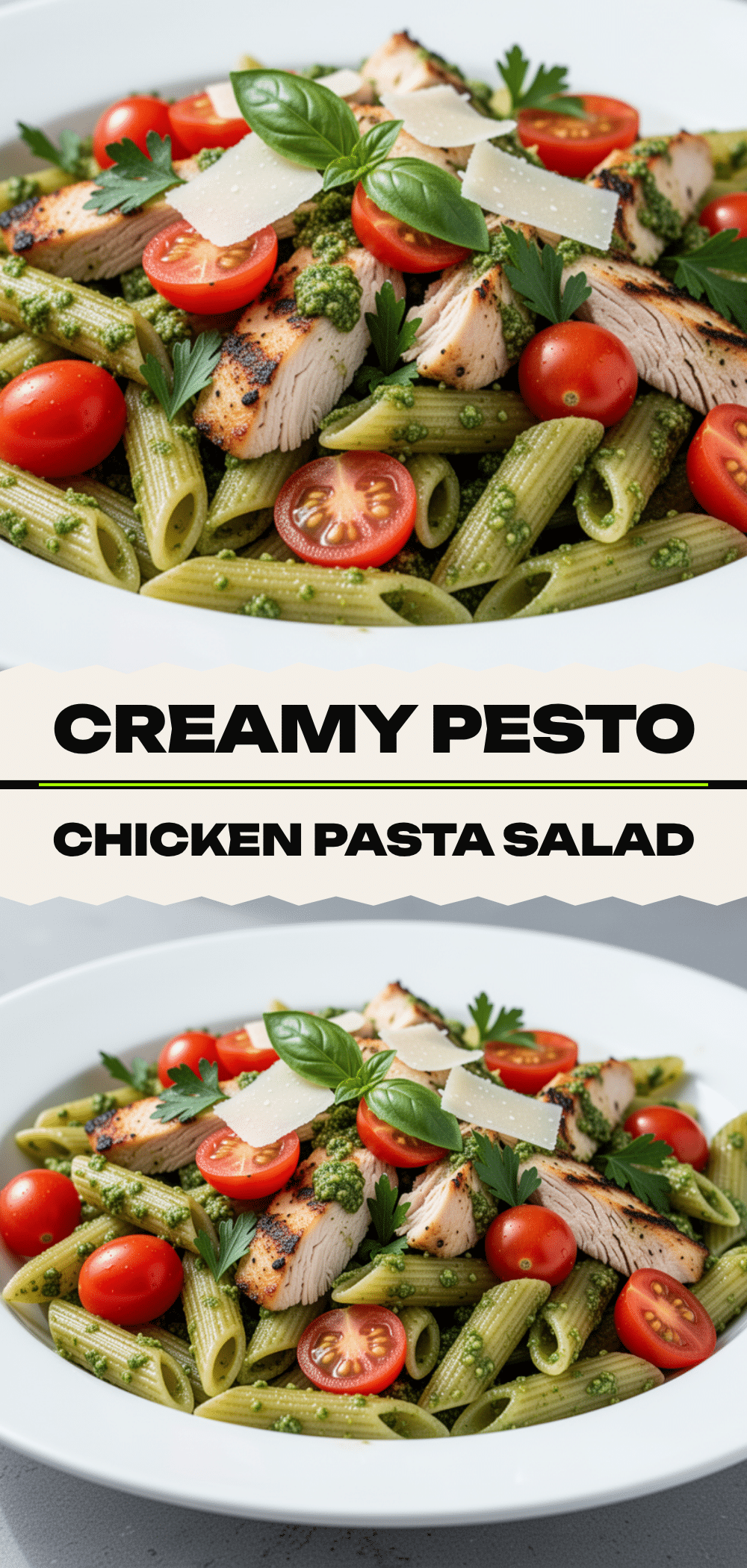
Pesto Chicken Pasta Salad: Easy 30-Minute Summer Lunch
- Total Time: 30 minutes
- Yield: 6 servings 1x
Description
A vibrant, cold pasta salad featuring rotini, rotisserie chicken, basil pesto, cherry tomatoes, and mozzarella. It’s a refreshing, zero-oven summer lunch that tastes better the next day.
Ingredients
- 12 oz (340g) Rotini or Fusilli pasta
- Water and salt (for boiling pasta)
- 2 cups (280g) Rotisserie chicken, shredded or diced
- ½ to ¾ cup (120-180ml) Basil pesto
- 2 tablespoons Extra virgin olive oil
- 2 tablespoons Fresh lemon juice
- 1 clove Garlic, minced
- 1 teaspoon Dijon mustard
- 1 cup Cherry tomatoes, halved
- 1 cup Mozzarella cheese, cubed or torn into chunks
- ¼ cup Red onion, finely diced
- ½ cup Fresh basil leaves, torn
- Black pepper, to taste
Instructions
- Bring a large pot of salted water to a boil. Add pasta and cook until al dente (8-10 minutes).
- Before draining, reserve ½ cup of starchy pasta water. Drain pasta and rinse briefly with cold water to stop cooking.
- While pasta cooks, shred/dice chicken, dice red onion, halve tomatoes, and tear mozzarella.
- In a small bowl, whisk together pesto, olive oil, lemon juice, minced garlic, Dijon mustard, and black pepper. Thin with reserved pasta water if needed.
- In a large mixing bowl, combine cooled pasta, chicken, tomatoes, onion, and mozzarella.
- Pour dressing over ingredients and toss gently until evenly coated. Adjust seasoning if needed.
- Cover and refrigerate for at least 30 minutes (or up to 4 hours) to allow flavors to meld.
- Stir before serving. Top with fresh basil and a drizzle of olive oil if desired. Serve chilled.
Notes
Do not skip the cold rinse on the pasta to prevent mushiness. Season aggressively as cold food tastes less flavorful. The salad improves in flavor after sitting in the fridge for a few hours. Do not freeze, as pasta becomes mushy and cheese separates.
- Prep Time: 15 minutes
- Cook Time: 15 minutes
- Category: Main Course
- Cuisine: Italian
Nutrition
- Serving Size: 1 serving
- Calories: 380
- Sodium: 450
- Fat: 14
- Carbohydrates: 45
- Fiber: 3
- Protein: 22
Keywords: pesto chicken pasta salad, summer lunch, cold pasta salad, meal prep, easy dinner, rotisserie chicken recipes, gluten-free option


