I’ll be honest with you: last Tuesday night, I was staring at the clock, my kids were arguing over who got the last cookie, and I had absolutely zero energy to cook anything complicated. I wanted something healthy, but I also wanted it to taste like I’d actually tried. That’s when I decided to stop overthinking and just throw everything on one pan.
That impulsive decision gave birth to my favorite 20-minute healthy dinner: sheet pan sesame salmon with rice. It’s become my secret weapon for busy weeknights. The whole family loves it, the cleanup is non-existent (seriously, just one pan), and it somehow manages to be both nutritious and indulgent at the same time. If you’re looking for a quick healthy dinner that doesn’t taste like cardboard, this is the recipe you’ve been waiting for.
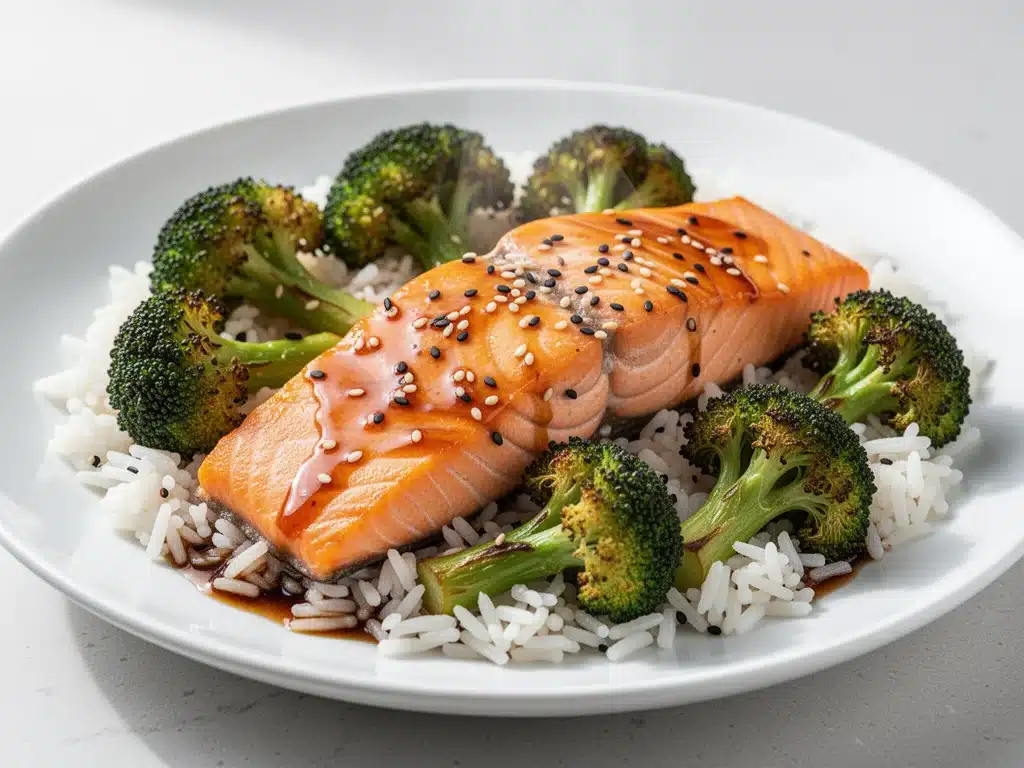
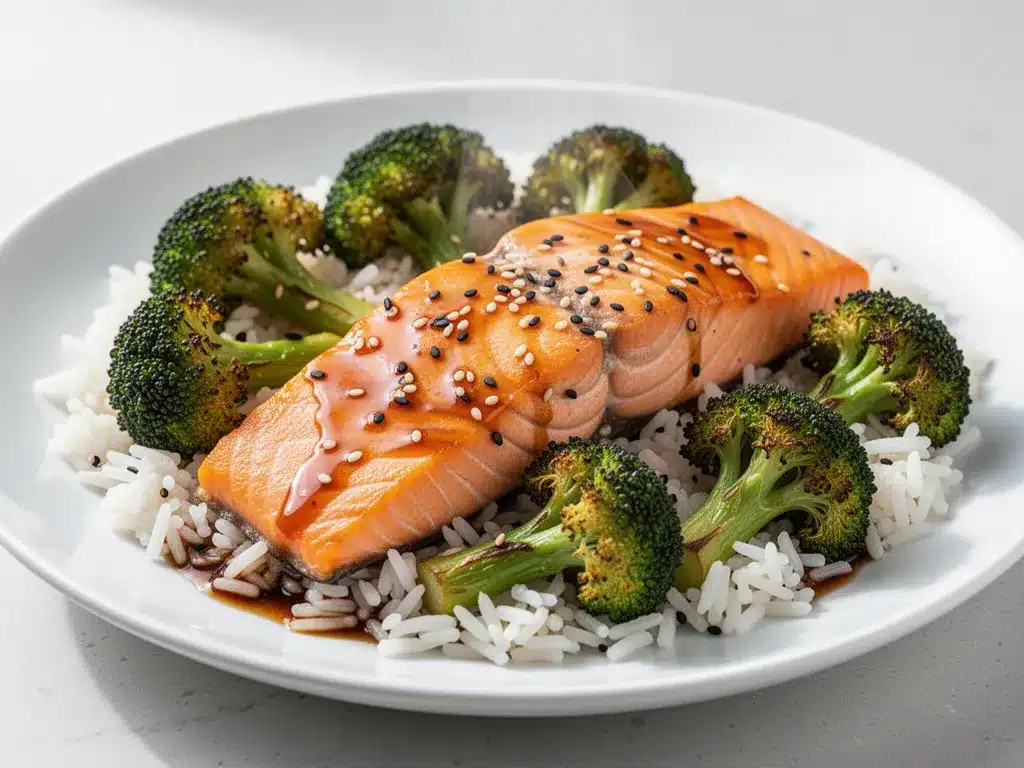
I’ve tested this sheet pan sesame salmon with rice version at least a dozen times, tweaking the sauce ratios and cooking times until it was perfect. The result? Flaky, tender salmon coated in a sticky, savory-sweet glaze, sitting alongside fluffy rice that’s soaked up all those delicious flavors. It’s restaurant-quality food without the restaurant price tag or the 45-minute cook time.
What I love most about this meal is how forgiving it is. You don’t need to be a chef to pull this off. If you can chop a green onion and whisk a sauce, you can make this. And once you make it, you’ll probably add it to your regular rotation, just like I have. Let me show you exactly how to do it.
Why You’ll Love This Sheet Pan Sesame Salmon
There are plenty of salmon recipes out there, but this sheet pan sesame salmon with rice hits a different sweet spot. It’s not just about the taste—it’s about the whole experience of getting dinner on the table without losing your mind.
- Stupid Simple Setup — Seriously, if you can pour ingredients into a bowl and spread them on a baking sheet, you can make this. I’ve walked my teenage son through it over FaceTime while I was on another call. No complicated techniques, no fancy equipment.
- Lightning Fast — From start to finish, this takes about 20 minutes. That’s 5 minutes of prep and 15 minutes of cooking. I make this on weeknights when I get home at 7pm, exhausted and hungry.
- One Pan Wonder — The best part? You only have one dish to wash. The rice cooks in the same pan (or a small pot if you prefer, but the sheet pan method is easier), and the salmon bakes right on top. Less cleanup means more time relaxing.
- Healthy but Satisfying — This isn’t diet food that leaves you hungry an hour later. The salmon provides high-quality protein and omega-3s, while the rice gives you the carbs you need to feel full. Plus, the sesame sauce makes it feel like a treat.
- Pantry-Friendly Sauce — You probably have 90% of the ingredients for the glaze already. Soy sauce, sesame oil, honey, garlic, ginger—these are staples I keep stocked just so I can make this on a whim.
This is my go-to when I need dinner to just work. No complicated techniques, no weird ingredients, just reliable, delicious food that makes everyone happy. And honestly, the smell of sesame and ginger baking in the oven? It makes the whole house smell amazing.
Ingredients You’ll Need
Here’s the best part: this sheet pan sesame salmon with rice uses simple, accessible ingredients. You don’t need to go to a specialty store. Here’s what I recommend, and why.
For the Salmon
Salmon fillets (1.5 lbs / 680g) — Look for center-cut fillets. They’re thicker and cook more evenly. Wild-caught is better if your budget allows, but farmed works fine too. Just make sure they’re fresh and smell like the ocean, not fishy.
Vegetable oil (1 tablespoon) — I use a neutral oil like canola or avocado for the pan. It prevents sticking and helps the glaze crisp up a bit.
For the Rice
Instant rice (2 cups cooked) — I’m a huge fan of using pre-cooked instant rice packets for this. It saves time and keeps the rice fluffy. If you prefer regular rice, you’ll need to cook it separately before assembling the sheet pan. I use jasmine rice for its slight fragrance.
Vegetable broth (½ cup) — If you’re cooking regular rice, use this instead of water for more flavor. For instant rice, just follow the package instructions.
For the Sesame Glaze
Soy sauce (3 tablespoons) — I use low-sodium soy sauce to control the saltiness. Regular soy sauce works, but you might need to reduce added salt later. Kikkoman is my go-to brand.
Honey (2 tablespoons) — This balances the saltiness of the soy sauce. Maple syrup works too if you want a vegan option, though the texture is slightly different.
Sesame oil (1 tablespoon) — This is the star flavor. Use toasted sesame oil for that nutty aroma. If you use regular sesame oil, it won’t have the same depth.
Rice vinegar (1 tablespoon) — Adds brightness and acidity. White vinegar works in a pinch, but rice vinegar is milder and more authentic.
Minced garlic (3 cloves) — Fresh garlic is non-negotiable here. Jarred garlic has a weird metallic taste that clashes with the delicate salmon. If you’re being lazy, use half the amount of jarred, but fresh is best.
Grated fresh ginger (1 teaspoon) — Fresh ginger adds a spicy, warm note. Pre-ground ginger won’t work here—it’s too dusty and lacks the punch. I buy a whole root and grate it as needed.
For Garnish
Sesame seeds (1 tablespoon) — Toasted sesame seeds add a nice crunch and visual appeal. You can find them in the spice aisle.
Green onions (2 stalks, sliced) — Adds a fresh, sharp contrast to the rich salmon. Chives work too if you can’t find green onions.
Optional Add-ins — I often throw in some broccoli florets or snap peas on the sheet pan. They roast alongside the salmon and soak up the sauce. Just chop them small so they cook at the same rate.
Equipment Needed
You don’t need fancy equipment for this. Here’s what I actually use.
Large sheet pan — I use a standard 18×13 inch baking sheet. Make sure it’s large enough to fit the salmon fillets in a single layer with room for the rice. If your pan is too small, the salmon will steam instead of roast.
Parchment paper — I line my pan with parchment paper. It makes cleanup a breeze—just throw the paper away. It also prevents the salmon from sticking, which is a common fear with sheet pan meals.
Mixing bowls — One small bowl for the glaze, one medium for tossing the rice. Standard kitchen bowls work fine.
Small whisk — For emulsifying the glaze. A fork works in a pinch, but a whisk makes it easier to combine the oil and soy sauce.
Spatula — For flipping the salmon and spreading the rice. A wide, thin spatula is best for getting under the fish without breaking it.
Knife and cutting board — For chopping the green onions and mincing the garlic. A sharp knife makes this much easier.
How to Make It: Step-by-Step
Alright, let’s make this! I’m walking you through exactly how I do it, including the little tricks I’ve picked up over time.
Step 1: Prep the Oven and Pan (2 minutes)
Preheat your oven to 400°F (200°C). Line your large sheet pan with parchment paper. This is crucial for easy cleanup and preventing sticking. I’ve learned this the hard way with a stuck-to-the-pan disaster that took forever to scrub.
Step 2: Make the Sesame Glaze (3 minutes)
In a small bowl, whisk together the soy sauce, honey, sesame oil, rice vinegar, minced garlic, and grated ginger. The mixture should be smooth and fragrant. If the honey is hard to whisk, microwave it for 10 seconds to soften it. Set aside.
Step 3: Prepare the Rice (5 minutes)
If using instant rice, cook it according to package directions. Once cooked, fluff it with a fork and toss it with half of the sesame glaze. Spread the rice evenly on one half of the prepared sheet pan. If you’re using regular rice, cook it separately and spread it out.
Step 4: Place the Salmon (2 minutes)
Pat the salmon fillets dry with paper towels. This helps the glaze stick and promotes browning. Place the fillets skin-side down on the other half of the sheet pan. Make sure they’re not touching each other. Brush the remaining glaze generously over the top of each fillet.
Step 5: Bake (12-15 minutes)
Place the sheet pan in the preheated oven. Bake for 12-15 minutes, depending on the thickness of your fillets. The salmon is done when it flakes easily with a fork and reaches an internal temperature of 145°F (63°C). I usually check it at 12 minutes to avoid overcooking.
Step 6: Garnish and Serve (1 minute)
Remove the pan from the oven. Sprinkle the salmon with toasted sesame seeds and sliced green onions. Let it rest for 2 minutes before serving. This allows the juices to redistribute and the glaze to set slightly.
Total Time: About 20 minutes (5 minutes active, 15 minutes hands-off)
Troubleshooting: If the salmon is cooking too fast, cover it loosely with foil. If the rice is drying out, add a splash of water before serving. If you want more crispiness, broil for the last 2 minutes, but watch it closely—it burns fast.
Expert Tips & Tricks
Here’s everything I’ve learned from making this sheet pan sesame salmon with rice dozens of times. These tips will save you from my mistakes.
Don’t Skip the Parchment Paper — I know it feels wasteful, but it makes cleanup so much easier. Plus, it prevents the salmon from sticking, which is the biggest fear with sheet pan meals. I’ve tried bare pans, and it’s never worth the scrubbing.
Pat the Salmon Dry — Moisture is the enemy of browning. If the salmon is wet, the glaze will slide off. Use paper towels to pat it dry before adding the sauce. This small step makes a huge difference in texture.
Use Toasted Sesame Oil — Regular sesame oil is mild and neutral. Toasted sesame oil is dark and nutty. You want the nutty flavor for this recipe. Check the label—it should say “toasted” or “roasted.”
Don’t Overcook the Salmon — Salmon continues to cook after you remove it from the oven. Take it out when it’s just barely opaque in the center. It will be tender and moist. Overcooked salmon is dry and rubbery, and no amount of sauce can fix that.
Toast Your Sesame Seeds — Raw sesame seeds are fine, but toasted ones add a nutty flavor and crunch. Just pop them in a dry pan over medium heat for 2-3 minutes, stirring constantly, until they’re golden. It takes less than 5 minutes and elevates the dish.
Common Mistakes: Salmon sticking to the pan — This usually means the pan wasn’t lined or the oil wasn’t enough. Sauce too salty — Use low-sodium soy sauce and taste before adding more. Rice too dry — Add a splash of water or broth when spreading it on the pan.
Variations & Substitutions
Once you’ve nailed the basic version, here’s how you can mix it up. I’ve tried all of these.
Vegetable-Loaded Version — Add broccoli florets, snap peas, or bell peppers to the sheet pan. Toss them in a little oil and soy sauce before baking. They roast alongside the salmon and soak up the sauce. This is how I get my kids to eat vegetables.
Spicy Kick — Add 1 teaspoon of sriracha or red pepper flakes to the glaze. It adds a nice heat that balances the sweetness. I like this version when I want something with more punch.
Lemon-Herb Twist — Swap the sesame oil for olive oil and add lemon zest and dried dill to the glaze. It changes the flavor profile completely to something more Mediterranean. Great for summer.
Gluten-Free — Use tamari instead of soy sauce. Everything else is naturally gluten-free. I’ve used tamari and it works perfectly—just slightly darker in color.
Dairy-Free — This recipe is already dairy-free, so no changes needed. It’s naturally friendly for dairy-free diets.
Vegan Option — Replace salmon with firm tofu. Press the tofu, cube it, and bake it with the same glaze. It takes a little longer to cook, so check it at 20 minutes. The glaze works beautifully with tofu too.
Protein Swaps — You can also use chicken breasts or shrimp. Chicken will need a few more minutes, and shrimp will cook in 8-10 minutes. Adjust cooking times accordingly.
Serving & Storage
I usually serve this straight from the sheet pan at the dinner table—it looks rustic and stays warm. But here are other ways I’ve enjoyed it.
Side Dishes — A simple cucumber salad with rice vinegar dressing goes perfectly with this. Or roasted asparagus if you want more greens. Garlic bread is optional but recommended if you’re feeling indulgent.
Wine Pairing — Not a wine expert, but my wine-snob friend says a crisp Pinot Grigio or a light-bodied Pinot Noir works great. The acidity cuts through the richness of the salmon.
Storage — Store leftovers in an airtight container in the fridge for up to 3 days. The salmon will stay moist if stored properly.
Reheating — Best method: Reheat in a skillet over low heat with a splash of water to steam it back to life. Microwave works too, but do it in short bursts (30 seconds) to avoid drying out the fish. Add a squeeze of lemon juice after reheating to brighten the flavor.
Freezing — I don’t recommend freezing this. The rice gets mushy, and the salmon can become dry. It’s best enjoyed fresh. If you must freeze, freeze the glaze and salmon separately, but the texture won’t be the same.
Pro Tip — If you’re meal-prepping, make the glaze ahead and store it in the fridge. Assemble and bake when ready. It saves time during the week.
Nutrition Information
I’m not a nutritionist, but here’s the breakdown if you’re tracking. This is per serving, based on 4 servings.
Calories: 450
Protein: 35g
Carbs: 40g
Fat: 15g
Fiber: 2g
Sugar: 12g
Sodium: 600mg
What’s Good — High in protein and omega-3 fatty acids from the salmon. The rice provides energy. It’s a balanced meal.
What to Know — Higher in sodium due to the soy sauce. Use low-sodium soy sauce to reduce this. The sugar comes from the honey, but it’s a natural source.
My Take — This is a healthy, balanced dinner. It’s not low-calorie, but it’s nutrient-dense. When I want to make it lighter, I increase the vegetable portion and reduce the rice. But usually? I just enjoy it as is.
Final Thoughts
So that’s my sheet pan sesame salmon with rice! I’ve probably talked your ear off at this point, but when you make a recipe this often, you have a lot to say about it. It’s saved weeknight dinners more times than I can count. It’s my answer to “what’s for dinner” when I’m tired, don’t want takeout, and still want something that tastes really good.
My kids are happy, my husband’s happy, and I’m happy because I’m not stressed about cooking. Make it yours! Try different add-ins, swap in your favorite vegetables, adjust the spice level. The best recipes are the ones you adapt to your family’s tastes.
If you make this, drop a comment and let me know what you think! I love hearing how recipes turn out in your kitchen. And if something doesn’t work, tell me that too—I’m here to help troubleshoot. Happy cooking! And I hope your kitchen smells half as good as mine does right now.
Frequently Asked Questions
Q: Can I use frozen salmon?
A: You can, but you need to thaw it completely first. Pat it very dry before cooking. Frozen salmon has more moisture, which can make the glaze watery. If you’re in a rush, fresh is better, but thawed frozen works fine.
Q: Why did my salmon stick to the pan?
A: This usually happens if you didn’t use parchment paper or if the pan wasn’t oiled enough. Always line your pan and brush the salmon with a little oil before adding the glaze. If it sticks, let it cool for a minute—it releases easier when warm.
Q: Can I make this ahead for a dinner party?
A: Sort of. Prep the glaze and chop the vegetables ahead of time. Assemble the sheet pan right before baking. The salmon is best fresh out of the oven. I don’t recommend assembling it hours ahead.
Q: Why is my rice dry?
A: Instant rice can dry out if it sits too long. Add a splash of water or broth when spreading it on the pan. Cover it loosely with foil while the salmon bakes to keep it moist.
Q: Can I use regular rice instead of instant?
A: Yes, but you’ll need to cook it separately. Cook it according to package directions, then spread it on the sheet pan. It takes more time and an extra pot, but the flavor is the same.
Q: How do I know when the salmon is done?
A: It should flake easily with a fork and be opaque throughout. The internal temperature should be 145°F (63°C). If it’s still translucent in the center, give it 2 more minutes.
Q: Can I double this recipe?
A: Absolutely! Double everything and use two sheet pans, or a very large one. Make sure the salmon isn’t crowded—air circulation is key for roasting. Cooking time stays the same.
Pin This Recipe!
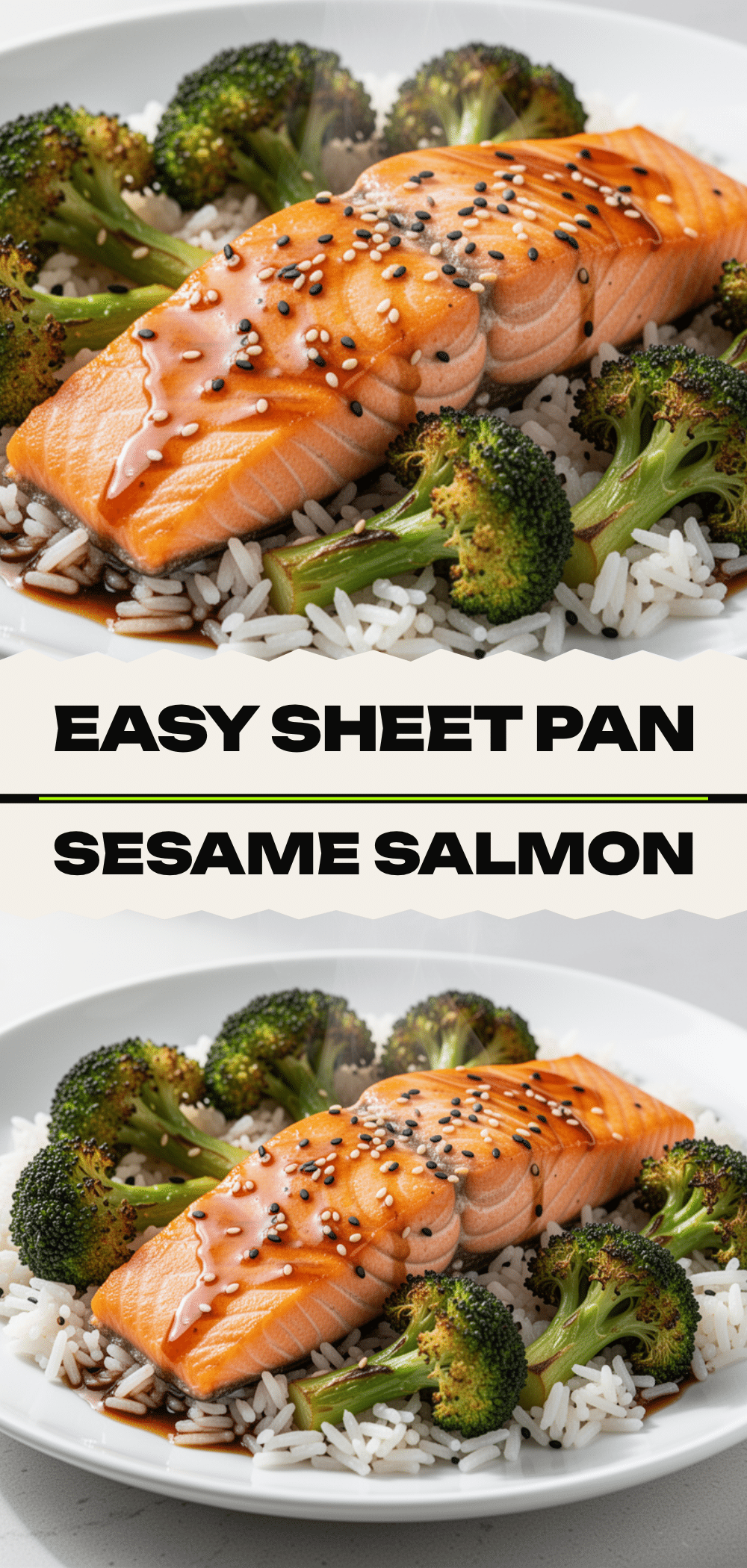

Sheet Pan Sesame Salmon with Rice
- Total Time: 20 minutes
- Yield: 4 servings 1x
Description
A quick, healthy, and forgiving 20-minute weeknight dinner featuring flaky salmon with a sticky sesame glaze and fluffy rice, all cooked on one sheet pan for easy cleanup.
Ingredients
- 1.5 lbs salmon fillets (center-cut)
- 2 cups cooked instant rice (or regular rice cooked separately)
- 3 tablespoons soy sauce (low-sodium recommended)
- 2 tablespoons honey
- 1 tablespoon toasted sesame oil
- 1 tablespoon rice vinegar
- 3 cloves garlic, minced
- 1 teaspoon fresh ginger, grated
- 1 tablespoon vegetable oil (for the pan)
- 1 tablespoon sesame seeds (toasted)
- 2 stalks green onions, sliced
- ½ cup vegetable broth (optional, for regular rice)
Instructions
- Preheat oven to 400°F (200°C). Line a large 18×13 inch sheet pan with parchment paper.
- In a small bowl, whisk together soy sauce, honey, sesame oil, rice vinegar, minced garlic, and grated ginger until smooth. Set aside.
- If using instant rice, cook according to package directions. Fluff with a fork and toss with half of the sesame glaze. Spread evenly on one half of the prepared sheet pan.
- Pat salmon fillets dry with paper towels. Place fillets skin-side down on the other half of the sheet pan, ensuring they are not touching.
- Brush the remaining glaze generously over the top of each salmon fillet.
- Bake for 12-15 minutes, or until salmon flakes easily with a fork and reaches an internal temperature of 145°F (63°C).
- Remove from oven and sprinkle with toasted sesame seeds and sliced green onions.
- Let rest for 2 minutes before serving.
Notes
Pat the salmon dry before adding sauce to ensure proper browning. Use toasted sesame oil for authentic nutty flavor. If rice dries out, add a splash of water or broth before serving. For a spicy kick, add sriracha to the glaze. For a vegan option, substitute salmon with firm tofu.
- Prep Time: 5 minutes
- Cook Time: 15 minutes
- Category: Main Course
- Cuisine: Asian
Nutrition
- Serving Size: 1 fillet with 1/2 cu
- Calories: 450
- Sugar: 12
- Sodium: 600
- Fat: 15
- Saturated Fat: 2
- Carbohydrates: 40
- Fiber: 2
- Protein: 35
Keywords: sheet pan salmon, sesame salmon, healthy dinner, quick meals, weeknight dinner, one pan meal, gluten-free option, dairy-free


