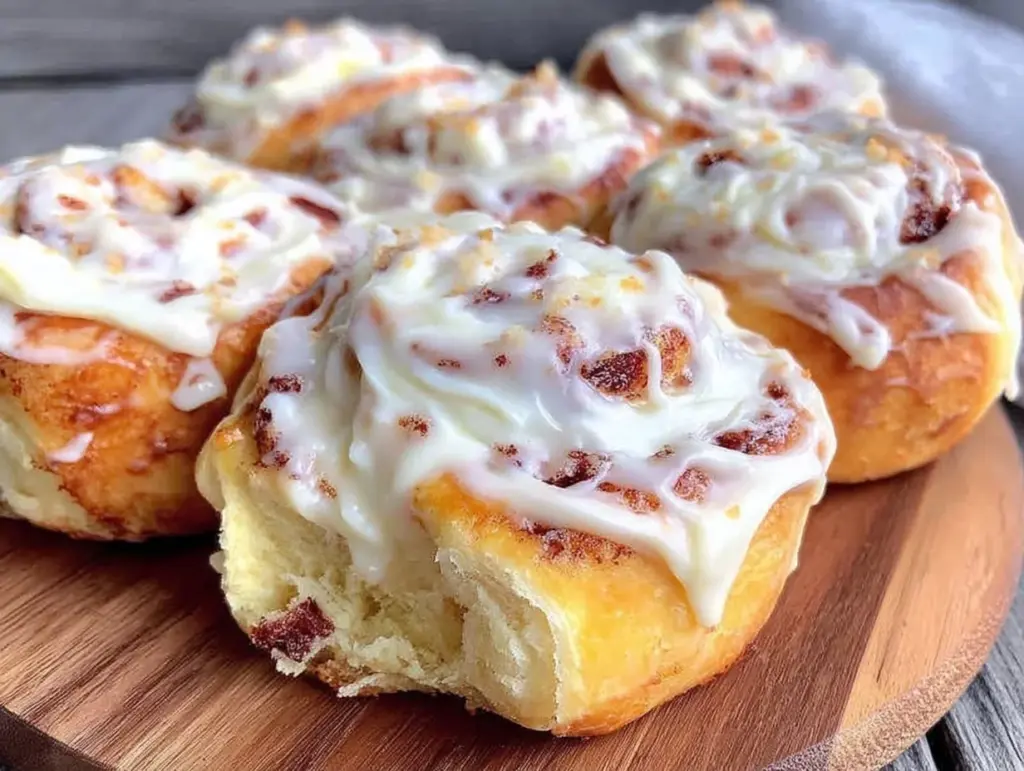
It was 6:30 AM on a crisp October Saturday. The house was silent except for the hum of the refrigerator and the distant sound of a neighbor’s lawnmower. I was standing in my kitchen, rubbing sleep from my eyes, dreading the idea of waking up at 5:00 AM to knead dough, wait for it to rise, roll it out, and hope it didn’t deflate in the oven. I just wanted soft, pillowy cinnamon rolls. I wanted them warm. I wanted them with that thick, tangy cream cheese frosting that you can barely cut through. But I also wanted to sleep in.
For years, I treated cinnamon rolls like a special occasion project. You know the type: the kind that requires a whole Sunday afternoon and a pristine countertop. But life got busy. Between work deadlines and helping my kid with homework, I didn’t always have the luxury of a four-hour baking session before breakfast. So, I started experimenting. I tried rushing the dough. I tried using instant yeast without letting it proof. I even tried putting them in the fridge for too long, which resulted in dense, doughy bricks that tasted like raw flour.
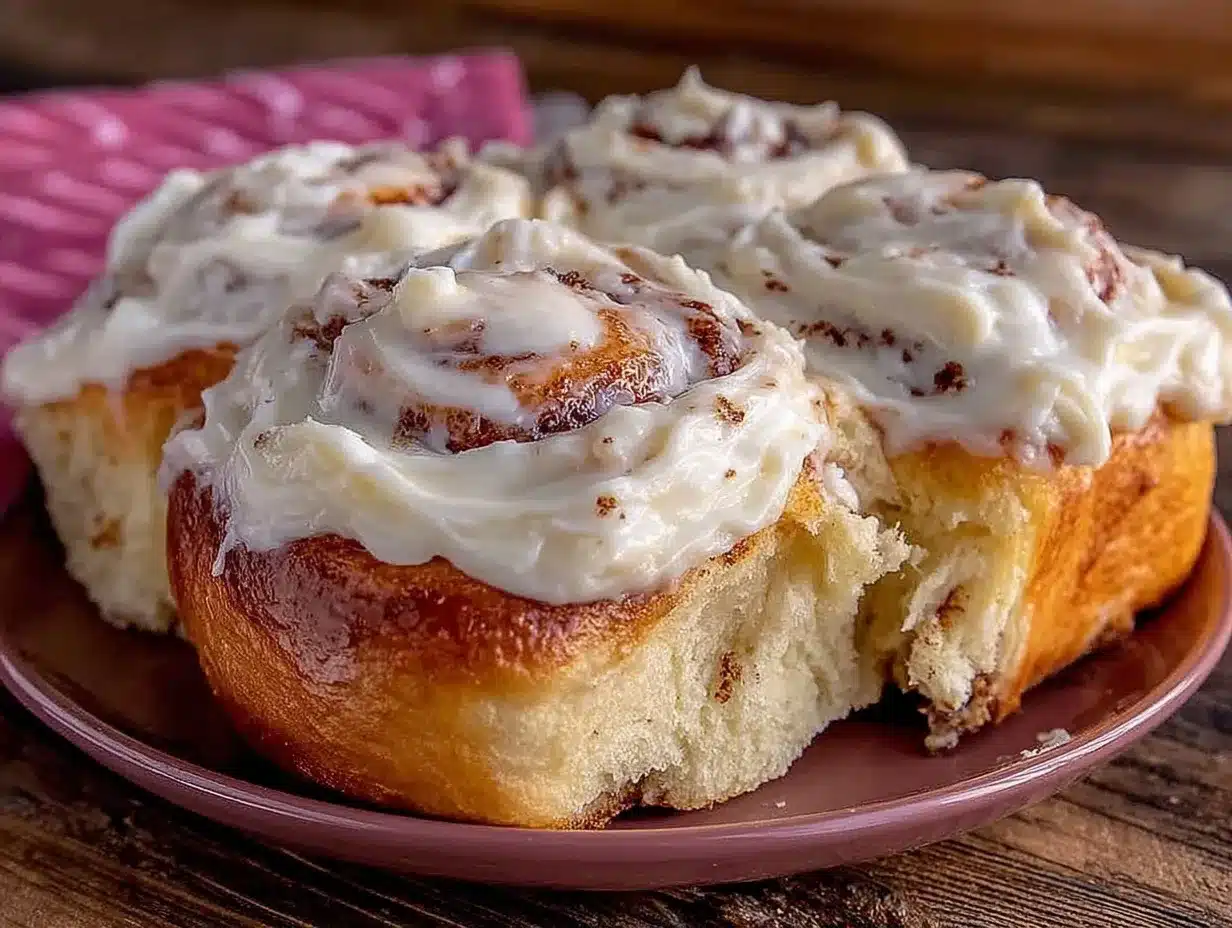
It took me about eight failed attempts to get it right, but once I cracked the code on the overnight cinnamon rolls with cream cheese frosting, my mornings changed forever. Now, this isn’t just a weekend treat; it’s my go-to for lazy Saturdays, holiday brunches, and those rare moments when I want to feel like a domestic goddess without actually being one. The key is letting the cold do the work. The fridge slows down the yeast, developing this incredible, complex flavor that you just can’t get from a quick-rise recipe. And when you add that tangy cream cheese frosting? It’s pure comfort.
I’ve made these dozens of times since that first successful batch. I’ve tweaked the butter ratios, played with different flours, and argued with my husband about whether extra frosting is “reasonable” (it is). If you’ve ever stared at a blank calendar and thought, “I wish I could have bakery-quality breakfast without the bakery stress,” you need to try this. It’s the ultimate make-ahead magic.
Why You’ll Love This Recipe
Let’s be real. Most overnight dough recipes are a gamble. You set them up, go to sleep, and wake up to disappointment. This overnight cinnamon rolls with cream cheese frosting recipe is different. It’s reliable, it’s forgiving, and the result is absolutely worth the prep time.
- True Hands-Off Mornings — The heavy lifting happens the night before. When you wake up, you literally just pull the dish out of the fridge and pop it in the oven. I’ve made this while half-asleep, and it still works. No panic, no rushing.
- Texture That Actually Works — Because of the cold fermentation, the dough rises slowly and evenly. The rolls come out incredibly soft and fluffy, not dense or gummy. I tested this against my old quick-rise method, and the difference in crumb structure is night and day.
- Flavor Depth — That long, slow rise in the fridge allows the yeast to produce subtle fermented notes. It tastes richer and more complex than standard cinnamon rolls. It’s the difference between a quick snap and a slow, savory simmer.
- Frosting That Sets Perfectly — The cream cheese frosting is the star. By keeping it separate until the last minute, you avoid the common pitfall of melting the frosting into the warm rolls. It stays thick, tangy, and distinct against the sweet dough.
- Freezer Friendly — If you’re prepping for a big event like Christmas morning, you can actually freeze the assembled rolls before baking. I’ve done this for holiday brunches, and they bake up just as well as fresh ones.
This is my go-to when I want to impress guests but keep my sanity intact. It’s the breakfast version of easy labor day berry trifle—looks fancy, requires minimal effort on the day of.
Key Ingredients
Good cinnamon rolls rely on simple, high-quality ingredients. You don’t need fancy flours or exotic spices, but you do need to respect the basics. Here’s what you need to make this overnight cinnamon rolls with cream cheese frosting shine.
All-Purpose Flour
(12 oz / 340g)
This is your base. I stick with all-purpose because it gives that perfect balance of chew and softness. Bread flour can make them too dense for my liking, and cake flour is too tender. Look for a brand with a protein content around 10-12%. King Arthur is my go-to, but any standard AP flour works fine.
Whole Milk
(1 cup / 240ml)
Room temperature milk. Cold milk will shock the yeast, and hot milk will kill it. I usually take the milk out of the fridge 30 minutes before starting. Using whole milk adds richness to the dough, making the rolls tender. Skim milk will work in a pinch, but the texture won’t be as luxurious.
Unsalted Butter
(6 tbsp / 85g, divided)
You’ll use half for the dough and half for the filling. For the dough, melted butter adds moisture. For the filling, cold, cubed butter creates pockets of flakiness as it melts during baking. Don’t substitute with margarine if you can help it; real butter makes a huge difference in flavor.
Active Dry Yeast
(2 1/4 tsp / 1 packet)
One standard packet. I’ve used instant yeast in the past, but active dry gives me more control over the fermentation process, especially for overnight rises. Check the expiration date on the packet. Old yeast is the #1 reason dough doesn’t rise. If it doesn’t foam up in the warm milk, toss it and start over.
Granulated Sugar
(1/3 cup / 70g for dough + 3/4 cup / 150g for filling)
Sugar feeds the yeast and adds sweetness. For the filling, I mix it with cinnamon. Don’t skimp on the filling sugar; it helps create that gooey, caramelized bottom layer. I’ve tried using brown sugar for the filling, but it can make the rolls too sticky and heavy. Stick to white granulated for the best texture.
Ground Cinnamon
(2 tbsp / 12g)
This is non-negotiable. Use good quality cinnamon. If your jar has been sitting in the back of the cabinet since last Christmas, throw it out. Fresh cinnamon smells like heaven; stale cinnamon tastes like dust. I buy mine from local spice shops when possible for the freshest punch.
Cream Cheese
(8 oz / 225g, full fat, softened)
For the frosting, you need full-fat block cream cheese. The tub-style whipped cream cheese has too much air and moisture, which will make your frosting runny. Let it sit on the counter for 30 minutes before whipping. If it’s cold, it won’t blend smoothly, and you’ll end up with lumpy frosting.
Confectioners’ Sugar
(2 cups / 240g)
Sift this! I know it’s an extra step, but unsifted powdered sugar can lead to a gritty frosting. Sifting ensures it’s light and airy, which helps it mix smoothly with the cream cheese and milk.
Tools Needed
You don’t need fancy equipment to make these. Here’s what I use to keep things simple.
9×13 Inch Baking Dish — I use a glass Pyrex dish. Glass heats evenly and gives you a nice view of the bottom browning. Metal works too, but glass is easier to clean.
Stand Mixer or Hand Mixer — I have a stand mixer, and it makes kneading much easier. But I’ve made this dough by hand many times. If you’re mixing by hand, expect to knead for 10-12 minutes. It’s good arm work.
Cheesecloth or Plastic Wrap — Essential for covering the dough while it rises in the fridge. Plastic wrap is fine, but cheesecloth lets the dough breathe slightly better if you’re worried about drying out.
Spatula — For spreading the butter and mixing the frosting. A silicone spatula is best because it scrapes the bowl clean.
Pastry Brush — Optional, but helpful for brushing melted butter on the rolls before baking. It gives them a shiny, golden crust.
How to Make It
Let’s walk through the process. It’s simpler than it looks, and the steps are broken down so you don’t get overwhelmed.
Step 1: Activate the Yeast (5 minutes)
In the bowl of your stand mixer (or a large mixing bowl), combine the warm milk (about 110°F/43°C), 1 tablespoon of sugar, and the yeast. Stir gently and let it sit for 5-10 minutes. You should see a foamy layer form on top. If it doesn’t foam, your yeast is dead or the milk was too hot/cold. Start over. This step ensures your dough will rise.
Step 2: Mix the Dough (10 minutes)
Add the melted butter, remaining 1/3 cup sugar, and an egg to the yeast mixture. Beat on medium-low speed until combined. Gradually add the flour, starting with 3 cups. Mix until a shaggy dough forms. If you’re using a stand mixer, switch to the dough hook. If mixing by hand, switch to a wooden spoon. The dough will be sticky at first—this is normal.
Step 3: Knead the Dough (8-10 minutes)
Continue kneading, adding the remaining 1/4 cup flour if needed, until the dough is smooth and elastic. It should pass the “windowpane test”: pull a small piece of dough thin; if you can see light through it without it tearing, it’s ready. This usually takes 8 minutes in a mixer or 10 minutes by hand. Don’t rush this step. Proper kneading develops gluten, which gives the rolls their structure.
Step 4: First Rise (1 hour)
Lightly grease a large bowl with butter or oil. Place the dough in the bowl, turning it once to coat the top. Cover with plastic wrap or a damp towel. Let it rise in a warm, draft-free spot for 1 hour, or until doubled in size. This step wakes up the yeast before the long cold rest.
Step 5: Shape the Rolls (15 minutes)
Punch down the dough to release air. Turn it out onto a lightly floured surface. Roll it into a 12×16 inch rectangle. Spread the 6 tablespoons of softened butter evenly over the surface, leaving a 1/2 inch border on the long edges. In a small bowl, mix the 3/4 cup sugar and 2 tablespoons cinnamon. Sprinkle this mixture evenly over the butter, pressing it in gently with your hands.
Starting from the long edge, tightly roll the dough into a log. Pinch the seam to seal. Using dental floss or a sharp serrated knife, cut the log into 12 equal rolls. Place them seam-side down in your greased 9×13 baking dish. This is where the magic happens. The floss method cuts cleanly without squishing the rolls, resulting in better shape.
Step 6: Overnight Rise (8-12 hours)
Cover the baking dish tightly with plastic wrap. Place it in the refrigerator overnight. The cold will slow the yeast, allowing the flavors to develop. You can leave them for up to 12 hours. If you leave them longer, they might rise too much and collapse. Set a reminder if you’re not a morning person!
Step 7: Bake (25-30 minutes)
Preheat your oven to 350°F (175°C). Take the rolls out of the fridge 20 minutes before baking to take the chill off. Bake for 25-30 minutes, or until the tops are golden brown and the centers are cooked through. If the tops start browning too quickly, cover them loosely with foil after 15 minutes. Let them cool in the pan for 10 minutes before frosting.
Expert Tips
Here’s everything I learned from making this too many times, so you don’t have to make my mistakes.
The Cold Butter Trick
For the filling, I actually cube the butter and chill it before spreading. It sounds counterintuitive, but as the rolls bake, the cold butter melts slowly, creating steam pockets that make the layers flaky. If you use room-temp butter for the filling, it just soaks into the dough. Cold butter = flaky layers. Trust me.
Don’t Overfill
I used to pack the cinnamon sugar mixture on thick. This caused the rolls to spill over and stick to the pan. A thin, even layer is better. It ensures every roll gets a bit of cinnamon without creating a sticky mess.
Frosting Consistency
If your frosting is too thick, add milk one teaspoon at a time. If it’s too thin, add more powdered sugar. The goal is a spreadable consistency, not a dripping one. Remember, the frosting will thicken as it cools on the warm rolls.
Common Problems & Solutions
Rolls are dense: You likely over-kneaded or used old yeast. Check your yeast freshness next time.
Frosting is runny: Your cream cheese wasn’t softened enough, or you added too much milk. Next time, whip the cream cheese and butter first until smooth, then add sugar, then milk.
Rolls stuck to the pan: You didn’t grease the pan enough. Use a generous amount of butter or non-stick spray. If they stick, run a knife around the edges while they’re still warm.
Recipe Variations
Once you’ve nailed the basic version, here’s how to mix it up.
Pecan Praline Rolls
Add a layer of brown sugar and chopped pecans under the cinnamon sugar. It adds crunch and a deeper caramel flavor. I love this for fall holidays.
Maple Glaze Version
Skip the cream cheese frosting. Make a simple glaze with maple syrup, powdered sugar, and a pinch of salt. It’s lighter and lets the cinnamon shine. Great for spring.
Cardamom Twist
Replace half the cinnamon with ground cardamom. It adds a floral, aromatic note that pairs beautifully with the cream cheese. It feels very Scandinavian.
Dairy-Free Option
Use plant-based butter and milk for the dough. For the frosting, use a vegan cream cheese block and coconut milk instead of dairy milk. It doesn’t taste exactly the same, but it’s still delicious.
Mini Rolls
Cut the log into 24 mini rolls instead of 12. They bake faster (15-18 minutes) and are perfect for parties or if you want portion control. I serve these with no bake peanut butter oat granola bars as a snack alternative, but honestly, mini cinnamon rolls are addictive.
Serving & Storage
Serving:
I serve these warm, straight from the pan. They pair beautifully with a cup of strong black coffee or a latte. For a complete brunch, I add some back to school ham and cheese egg muffins on the side for a savory balance. The salty eggs cut through the sweetness of the rolls perfectly.
Storage:
Store leftover rolls in an airtight container at room temperature for up to 2 days. They’re best eaten fresh, but they do reheat well. Microwave for 20-30 seconds to soften them up. If you frost them, eat them within 24 hours as the frosting can get soggy.
Freezing:
You can freeze unbaked rolls. After shaping, freeze the pan on a baking sheet until solid, then transfer to a freezer bag. Bake directly from frozen, adding 10-15 minutes to the bake time. Cooked rolls can be frozen for up to 2 months, but the texture of the frosting may change slightly upon thawing.
Nutrition Information
I’m not a nutritionist, but here’s the breakdown per roll (assuming 12 rolls with frosting).
| Nutrient | Amount per Roll |
|---|---|
| Calories | 420 kcal |
| Protein | 6g |
| Carbohydrates | 58g |
| Fiber | 2g |
| Fat | 18g |
| Sodium | 280mg |
My Take:
This is indulgent breakfast food. It’s rich in carbs and fat, and the sugar content is high. But it’s homemade, so you know exactly what’s in it. It’s better than anything from a box or a chain restaurant. Enjoy it as a special treat, not a daily staple. Balance it with some protein and veggies elsewhere in your day.
Final Thoughts
Making overnight cinnamon rolls with cream cheese frosting is one of those cooking skills that feels like a superpower. You get to enjoy a bakery-quality breakfast on a lazy morning without the hassle. It’s about slowing down, appreciating the process, and rewarding yourself with something delicious.
I hope you try this recipe. It’s become a staple in my house, and I’d love to hear how it turns out in your kitchen. If you make it, drop a comment below! Tell me about your favorite topping or if you added any twists. Happy cooking!
FAQs
Can I use instant yeast instead of active dry?
Yes, you can use instant yeast. You don’t need to proof it in the milk first. Just mix it directly with the flour. The rise time might be slightly faster, so keep an eye on it.
Why did my rolls turn out flat?
This usually happens if the dough rose too much in the fridge and collapsed, or if you didn’t knead enough. Make sure you cover the dish tightly to prevent drying out, and don’t let them rise past the 12-hour mark.
Can I make these ahead and freeze them?
Absolutely. Shape the rolls, cover tightly, and freeze them. When you’re ready to bake, let them thaw in the fridge overnight, then bring to room temperature before baking. Add 10-15 minutes to the bake time.
Is there a way to make the frosting less sweet?
Yes. Reduce the powdered sugar to 1.5 cups and add a tablespoon of lemon juice. The acidity cuts the sweetness and highlights the tang of the cream cheese. It’s a great option if you prefer a more subtle sweetness.
Can I use almond milk for the dough?
You can, but the texture might be slightly less rich. Whole dairy milk adds fat and protein that contribute to the soft crumb. If you use almond milk, try to use a fortified, unsweetened variety for the best results.
Pin This Recipe!
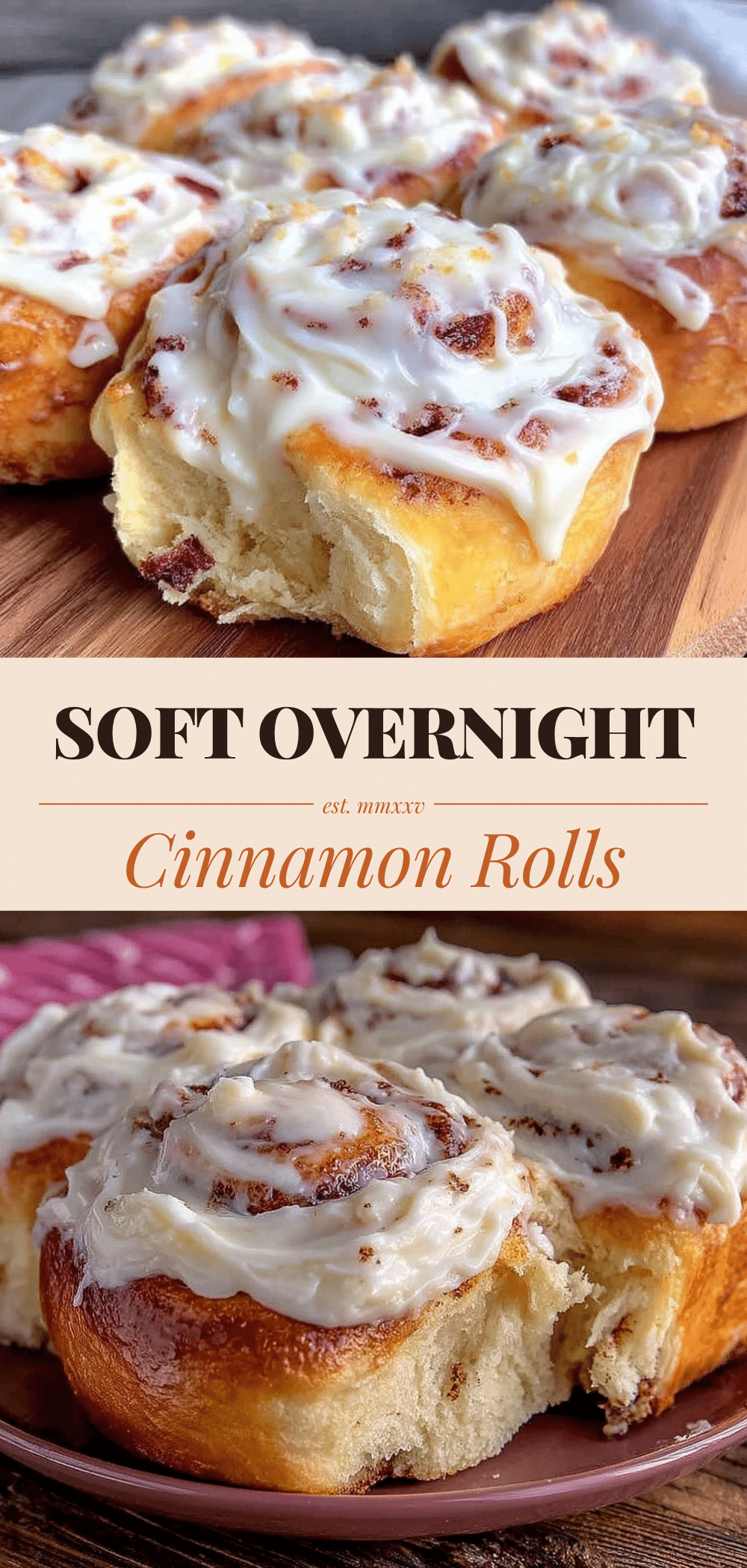

Overnight Cinnamon Rolls with Cream Cheese Frosting
- Total Time: 12 hours 15 minutes
- Yield: 12 servings 1x
Description
Reliable, make-ahead cinnamon rolls that rise overnight in the fridge for complex flavor and soft texture, topped with a tangy cream cheese frosting.
Ingredients
- 1 cup whole milk, room temperature
- 2 1/4 tsp active dry yeast (1 packet)
- 1 tbsp granulated sugar (for yeast)
- 6 tbsp unsalted butter, melted (for dough)
- 1/3 cup granulated sugar (for dough)
- 1 large egg
- 12 oz (340g) all-purpose flour
- 6 tbsp unsalted butter, cubed and chilled (for filling)
- 3/4 cup granulated sugar (for filling)
- 2 tbsp ground cinnamon (for filling)
- 8 oz full-fat cream cheese, softened (for frosting)
- 2 cups confectioners’ sugar, sifted (for frosting)
- 1–2 tbsp milk (for frosting consistency)
Instructions
- Activate the yeast: In a mixing bowl, combine warm milk (110°F/43°C), 1 tbsp sugar, and yeast. Let sit for 5-10 minutes until foamy.
- Mix the dough: Add melted butter, remaining 1/3 cup sugar, and egg to the yeast mixture. Beat on medium-low until combined. Gradually add flour and mix until a shaggy dough forms.
- Knead the dough: Knead for 8-10 minutes (by mixer or hand) until smooth and elastic. The dough should pass the windowpane test.
- First rise: Place dough in a greased bowl, cover, and let rise in a warm spot for 1 hour until doubled.
- Shape the rolls: Punch down dough and roll into a 12×16 inch rectangle. Spread chilled cubed butter over the surface. Mix 3/4 cup sugar and cinnamon, then sprinkle evenly over the butter. Roll tightly into a log, pinch seam, and cut into 12 rolls.
- Overnight rise: Place rolls seam-side down in a greased 9×13 baking dish. Cover tightly with plastic wrap and refrigerate for 8-12 hours.
- Bake: Preheat oven to 350°F (175°C). Let rolls sit out for 20 minutes before baking. Bake for 25-30 minutes until golden brown. Cool in pan for 10 minutes.
- Make frosting: Beat softened cream cheese until smooth. Gradually add sifted confectioners’ sugar and enough milk to reach a spreadable consistency.
- Frost: Spread frosting over warm rolls before serving.
Notes
Ensure yeast is fresh and foams in warm milk. Use cold, cubed butter for the filling to create flaky layers. Do not let rolls rise in the fridge for more than 12 hours to prevent collapsing. Frosting should be applied after rolls have cooled slightly to prevent melting.
- Prep Time: 45 minutes
- Cook Time: 30 minutes
- Category: Breakfast
- Cuisine: American
Nutrition
- Serving Size: 1 roll
- Calories: 420
- Sugar: 38
- Sodium: 280
- Fat: 18
- Saturated Fat: 10
- Carbohydrates: 58
- Fiber: 2
- Protein: 6
Keywords: overnight cinnamon rolls, cream cheese frosting, make ahead breakfast, yeast dough, bakery style cinnamon rolls, holiday brunch


