Last Tuesday, I was standing in my kitchen at 6:45 PM, staring at a piece of salmon that looked suspiciously like it had been in the freezer since the Obama administration. I was exhausted. My brain was fried. I didn’t have the energy to chop vegetables, I didn’t want to order takeout (again), and I definitely didn’t want to wash a mountain of pots after a long day. So, I did what I always do when I’m desperate: I raided my pantry and my freezer.
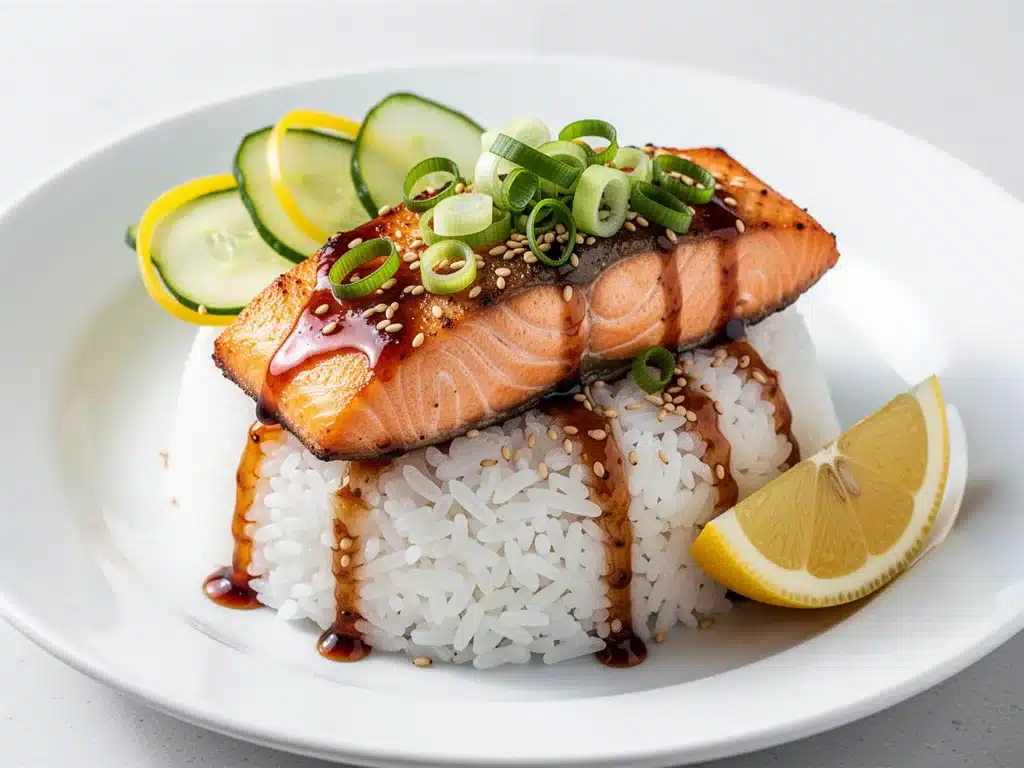
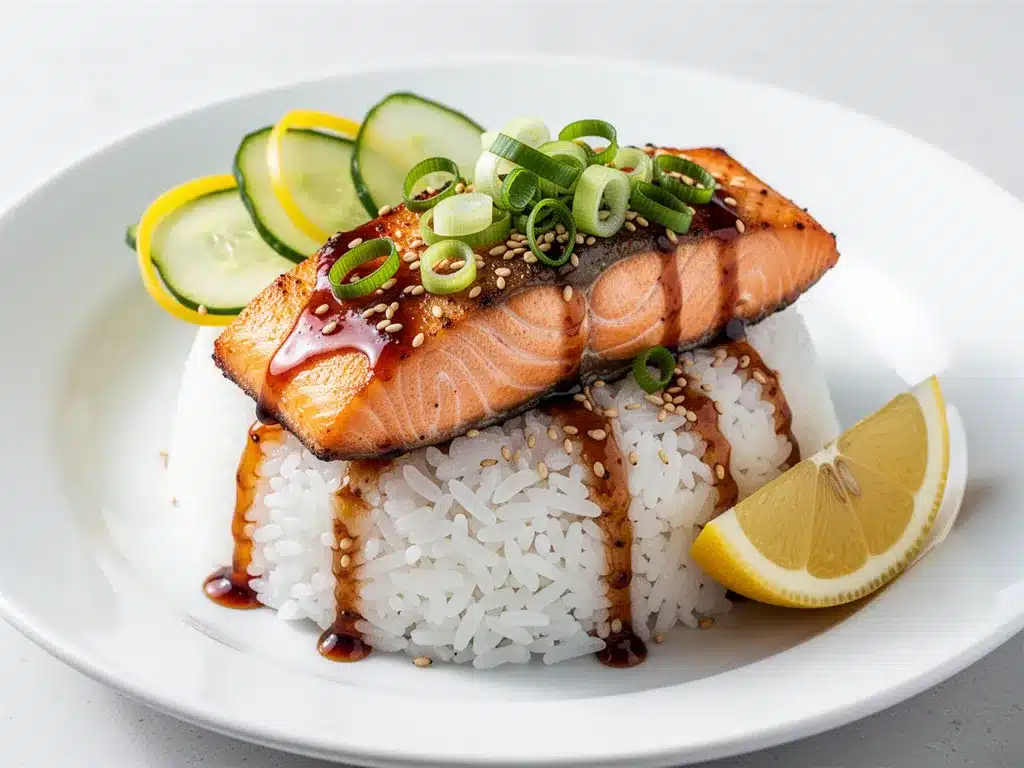
I threw together a quick teriyaki glaze using soy sauce, a splash of honey, and some ginger I found hiding behind the spices. I seared the salmon, steamed some rice, and tossed it all into a bowl. I took one bite and stopped. It wasn’t just “edible.” It was vibrant, sweet, savory, and incredibly fast. I ate it so quickly I didn’t even think about the fact that I’d been staring at a sad piece of fish ten minutes earlier.
That was the birth of my Sweet Teriyaki Salmon Rice Bowls. I’ve made this dish at least forty times in the last year. It’s become my absolute go-to when I need dinner to just work. It’s healthy, it’s packed with protein, and it tastes like something from a trendy lunch spot, but it costs a fraction of the price. The best part? It takes 15 minutes. Not 45. Not “prep plus cook” time. Fifteen minutes from start to finish.
If you’re tired of boring chicken breast dinners or spending an hour on weeknight meals, this is the recipe you need to try. It’s simple, it’s delicious, and it’s going to save your weeknight routine. Let me show you how to make it.
Why You’ll Love This Sweet Teriyaki Salmon Rice Bowl Recipe
There are about a dozen reasons I keep coming back to this bowl, but here’s the real deal on why it deserves a spot in your weekly rotation. This isn’t just another fish recipe; it’s a complete meal solution.
It’s Actually Fast — Seriously. I time myself. If I have my rice prepped (more on that later), the salmon cooks in 6-7 minutes. The sauce takes two minutes to simmer. That’s it. This is perfect for those nights when you get home late and need fuel immediately.
It’s Healthy Without Being Boring — I know, “healthy” usually sounds like a sad salad with no flavor. This is the opposite. You get omega-3s from the salmon, complex carbs from the rice, and a kick of ginger and garlic. It feels indulgent because of the sweet glaze, but it’s genuinely good for you.
It’s Forgiving — You don’t need to be a chef to make this. If you overcook the salmon slightly, it still tastes great with the sauce. If you run out of ginger, skip it. The flavors are bold enough to cover small mistakes. I’ve made this while distracted by my phone, and it still turned out delicious.
It’s Versatile — Want to add more veggies? Throw in some steamed broccoli or snap peas. Want to switch the protein? This sauce works amazingly on shrimp or chicken thighs too. It’s a template for a perfect meal, not a rigid rulebook.
Leftovers Are Actually Good — Most salmon tastes weird the next day. Not this. The flavors meld together overnight. I often pack this for lunch, and it reheats beautifully in the microwave without getting rubbery.
This recipe has completely changed our Tuesday and Thursday nights. No more stress, no more takeout guilt. Just good, fast food that makes you feel good.
Ingredients You’ll Need for Sweet Teriyaki Salmon Rice Bowls
Here’s the best part: you probably have most of these ingredients already. This isn’t a recipe that requires a trip to three different specialty stores. I’m particular about a few things, but for the most part, this is pantry-friendly.
For the Salmon
Salmon Fillets (4 pieces, about 6oz each / 170g each) — Look for fresh or frozen-at-sea fillets. I prefer skin-on because it gets crispy in the pan, but skinless works fine too. If you buy frozen, thaw it completely in the fridge overnight. Pat it dry! Wet salmon steams instead of sears.
Neutral Oil (2 tablespoons / 30ml) — I use avocado oil or canola oil. Olive oil works, but extra virgin can burn at high heat. You want a high smoke point here.
Salt and Pepper — To taste. Don’t skip the salt on the fish itself; it seasons the flesh, not just the sauce.
For the Sweet Teriyaki Sauce
Soy Sauce (½ cup / 120ml) — I use low-sodium soy sauce because it’s easier to control the saltiness. Regular soy sauce is fine, but you might want to reduce the added salt in the dish. Tamari is a great gluten-free alternative.
Honey (3 tablespoons / 45ml) — This is what makes it “sweet” teriyaki. Maple syrup works too, but honey gives a nicer shine. Don’t use artificial sweeteners; they don’t caramelize the same way.
Rice Vinegar (2 tablespoons / 30ml) — Adds that necessary tang to balance the sweetness. If you don’t have rice vinegar, apple cider vinegar works in a pinch, but rice vinegar is more authentic.
Minced Garlic (3 cloves / about 1 tablespoon) — Fresh is best. Jarred garlic can have a metallic taste that clashes with the delicate salmon. I mince my own, but if you’re in a rush, press it.
Fresh Ginger (1 tablespoon, grated / about 5g) — This is non-negotiable for me. Fresh ginger gives a bright, spicy kick. Powdered ginger is too dusty and weak. Peel a small knob and grate it on a microplane.
Water (2 tablespoons / 30ml) — Just to thin out the sauce so it coats the fish nicely without being too thick.
For the Bowl Base
Rice (1 cup uncooked / 200g) — I use jasmine rice for its floral aroma, but short-grain sushi rice is traditional. Brown rice works if you have more time to cook it.
Steamed Vegetables (2 cups / 150g) — Broccoli, snap peas, or bok choy. I keep frozen mixed veggies in the freezer for a quick steam. It’s not fancy, but it adds crunch and color.
Optional Toppings — Sesame seeds, sliced green onions, and a drizzle of sriracha if you like heat. These make it look pretty and add texture.
Equipment Needed
You don’t need fancy gadgets for this. Here’s what I actually use, and what you can skip.
Non-Stick or Cast Iron Skillet — A 10-inch skillet is perfect. Non-stick is easier for beginners to ensure the salmon doesn’t stick. Cast iron gives a better sear if you’re confident. Just make sure it’s heavy enough to hold heat.
Saucepan or Small Pot — For simmering the teriyaki sauce. A small saucepan with a heavy bottom prevents burning. I use a 1-quart pot.
Rice Cooker or Medium Pot — I swear by my rice cooker. It’s set-and-forget. If you don’t have one, a medium pot with a tight-fitting lid works fine. Just keep an eye on the water level.
Sharp Knife — For cutting the salmon and chopping veggies. A dull knife is dangerous and makes a mess.
Microplane or Grater — For the fresh ginger. It’s tiny and hard to chop finely. A grater makes it easy.
Measuring Cups and Spoons — For the sauce. Accuracy matters here for the sweet-savory balance.
Steamer Basket — Optional, but nice for veggies. If you don’t have one, just microwave the veggies with a splash of water for 2-3 minutes.
How to Make Sweet Teriyaki Salmon Rice Bowls: Step-by-Step
Alright, let’s make this! I’m walking you through exactly how I do it, including the little tricks I’ve picked up over the years.
Step 1: Start the Rice (15-20 minutes, mostly hands-off)
Rinse your rice thoroughly under cold water until the water runs clear. This removes excess starch and prevents mushy rice. Add the rice and water to your pot or rice cooker (usually a 1:1.5 ratio of rice to water). Bring to a boil, then reduce heat to low, cover, and simmer for 18 minutes. Remove from heat and let it sit, covered, for 10 minutes. Fluff with a fork. This timing works so you’ll have fluffy rice ready exactly when the salmon is done.
Step 2: Make the Teriyaki Sauce (2 minutes)
While the rice cooks, whisk together the soy sauce, honey, rice vinegar, minced garlic, grated ginger, and water in a small saucepan over medium heat. Stir until the honey dissolves. Let it simmer for 2-3 minutes until it thickens slightly. It should coat the back of a spoon. Remove from heat and set aside. Smells amazing, right? Don’t boil it too hard or it’ll get too salty.
Step 3: Prep the Salmon (2 minutes)
Pat the salmon fillets dry with paper towels. This is crucial! Moisture is the enemy of a good sear. Season both sides generously with salt and pepper. If using skin-on salmon, score the skin lightly with a knife to prevent curling.
Step 4: Sear the Salmon (6-7 minutes)
Heat the oil in your skillet over medium-high heat. Once the oil shimmers, place the salmon fillets in the pan. If using skin-on, place them skin-side down. Do not move them! Let them cook for 4-5 minutes until the skin is crispy and golden. Flip carefully. Cook for another 2-3 minutes on the other side, depending on thickness. The salmon is done when it flakes easily with a fork but is still moist inside.
Step 5: Glaze the Salmon (1 minute)
Reduce heat to low. Pour half of the teriyaki sauce into the pan around the salmon (not directly on top yet). Let it bubble for 30 seconds. Flip the salmon and brush the top with the remaining sauce. Let it cook for 30 more seconds to caramelize. Remove from heat.
Step 6: Assemble the Bowls
Fluff the rice and divide it among four bowls. Place a piece of glazed salmon on top of each bowl. Steam your vegetables and arrange them alongside the fish. Drizzle any remaining sauce from the pan over the salmon and rice. Sprinkle with sesame seeds and sliced green onions.
Total time is about 25 minutes if you start rice first, but the active cooking time is only 15 minutes. You can even use pre-cooked microwave rice to cut it down to 10 minutes.
Expert Tips & Tricks for Perfect Salmon
Here’s everything I’ve learned from making this dozens of times. These tips will save you from my mistakes.
Don’t Overcook the Salmon — Salmon continues to cook after you remove it from the pan. Take it off when it’s still slightly translucent in the center. It will finish cooking on the plate. Overcooked salmon is dry and sad. Undercooked (but safe) salmon is buttery and delicious.
Pat Dry, Pat Dry, Pat Dry — I can’t say this enough. Wet salmon steams. Dry salmon sears. Use paper towels and be thorough.
Use Fresh Ginger — I know it’s an extra step, but fresh ginger makes this recipe. Powdered ginger tastes dusty and lacks that bright punch. It’s worth the 30 seconds to grate it.
Control the Sauce Thickness — If your sauce is too thin, simmer it longer. If it’s too thick, add a splash of water. You want it glossy, not gluey. Test it on a spoon before pouring it over the fish.
Save the Pan Juices — After you remove the salmon, don’t throw away the bits stuck to the pan. Deglaze with a splash of water, scrape up the flavors, and mix it into the remaining sauce. Maximum flavor.
Common Mistakes
Mistake: Salmon sticks to the pan. Fix: Make sure the pan is hot before adding the fish. Don’t move it until it releases naturally. If it sticks, you’re not waiting long enough.
Mistake: Sauce is too sweet. Fix: Add a splash more rice vinegar or a squeeze of lime. Balance is key.
Mistake: Rice is mushy. Fix: Rinse it well! And don’t lift the lid while it’s simmering. Steam escapes and ruins the texture.
Variations & Substitutions
Once you’ve nailed the basic version, here’s how you can mix it up. I’ve tried all of these.
Shrimp Bowls — Swap salmon for large shrimp. They cook in 2-3 minutes per side. Adjust sauce amount slightly.
Chicken Version — Use chicken thighs. They stay juicier than breasts. Cook for 6-7 minutes per side.
Veggie-Loaded — Add roasted carrots, edamame, or cucumber slices. Fresh cucumber adds a nice cooling contrast to the hot rice and spicy salmon.
Spicy Kick — Add 1 teaspoon of sriracha or chili flakes to the sauce. Or serve with a side of spicy mayo.
Gluten-Free — Use tamari instead of soy sauce. Everything else is naturally gluten-free.
Dairy-Free — This recipe is naturally dairy-free. Just ensure your soy sauce and honey are vegan-friendly if you’re strict.
Low-Carb — Swap rice for cauliflower rice. Steam it for 5 minutes. It soaks up the sauce beautifully.
Serving & Storage
How to Serve: I usually serve this straight from the stove. It’s rustic and satisfying. But here are other ways I’ve enjoyed it:
Side Dishes: A simple cucumber salad with rice vinegar and sugar. Or miso soup on the side for a full Japanese-inspired meal.
Storage: Store leftovers in an airtight container in the fridge for up to 3 days. The rice might harden, but that’s normal.
Reheating: Best method: Microwave the rice and salmon separately. Add a splash of water to the rice to steam it back to fluffiness. Heat the salmon for 30-45 seconds only, or it will dry out. Re-drizzle with fresh sauce if needed.
Freezing: I don’t recommend freezing salmon. The texture changes. Freeze the rice separately if you want to meal prep, but cook the salmon fresh.
Nutrition Information
I’m not a nutritionist, but here’s the breakdown if you’re tracking. This is per serving (based on 4 servings).
– Calories: 450
– Protein: 35g
– Carbs: 40g
– Fiber: 2g
– Sugar: 12g
– Fat: 18g
– Saturated Fat: 3g
– Cholesterol: 85mg
– Sodium: 650mg
– Calcium: 40mg
What’s Good: High protein, good omega-3s, decent fiber if you add veggies.
What to Know: Higher sodium from soy sauce. Use low-sodium soy sauce to reduce. Sugar content is moderate from honey, but natural.
My Take: This is a balanced meal. It’s not “diet” food, but it’s nutrient-dense. I feel energized after eating it, not sluggish.
Final Thoughts
So that’s my go-to Sweet Teriyaki Salmon Rice Bowl! I’ve probably talked your ear off at this point, but when you make a recipe this often, you have a lot to say about it.
This has saved weeknight dinners more times than I can count. It’s my answer to “what’s for dinner” when I’m tired, don’t want takeout, and still want something that tastes really good. My kids are happy, my husband’s happy, and I’m happy because I’m not stressed about cooking.
Make it yours! Try different add-ins, swap in your favorite vegetables, adjust the sweetness. The best recipes are the ones you adapt to your family’s tastes.
If you make this, drop a comment and let me know what you think! I love hearing how recipes turn out in your kitchen. And if something doesn’t work, tell me that too—I’m here to help troubleshoot.
Happy cooking! And I hope your kitchen smells half as good as mine does right now.
Frequently Asked Questions
Can I use frozen salmon?
Yes, but you must thaw it completely first. Place it in the fridge overnight. If you’re in a hurry, submerge the sealed package in cold water for 30 minutes. Pat it VERY dry before cooking. Frozen-at-sea salmon is often better quality than fresh that’s been sitting in a store.
Why did my sauce turn out too salty?
Usually means you used regular soy sauce instead of low-sodium, or you reduced it too much. Next time, use low-sodium soy sauce and taste as you go. If it’s already too salty, add a splash of water or a squeeze of lemon to balance it.
Can I make this ahead for a dinner party?
Sort of. You can prep the sauce and cook the rice ahead. But cook the salmon fresh right before serving. Salmon loses its texture if reheated. I make the sauce 2 days ahead and store it in the fridge. It actually tastes better after the flavors meld.
Why did my salmon stick to the pan?
Two reasons: 1) The pan wasn’t hot enough. 2) The salmon was wet. Make sure your pan is shimmering with oil before adding the fish, and pat the fish dry with paper towels. Also, don’t move it! Let it sear for 4-5 minutes. It will release naturally when it’s ready.
Can I use maple syrup instead of honey?
Yes, but the flavor will be different. Maple syrup is less sweet and has a stronger taste. It works well, but the sauce won’t caramelize as nicely. I prefer honey for that glossy finish.
How do I reheat leftovers without drying out the salmon?
Low and slow. Microwave in 15-second bursts. Cover with a damp paper towel to create steam. Or reheat gently in a skillet with a splash of water over low heat. Never microwave on high for 2 minutes—it will turn into rubber.
Can I double this recipe?
Absolutely! Double everything and use your biggest skillet. You might need to cook the salmon in two batches so you don’t overcrowd the pan. Overcrowding lowers the heat and steams the fish instead of searing it.
Pin This Recipe!
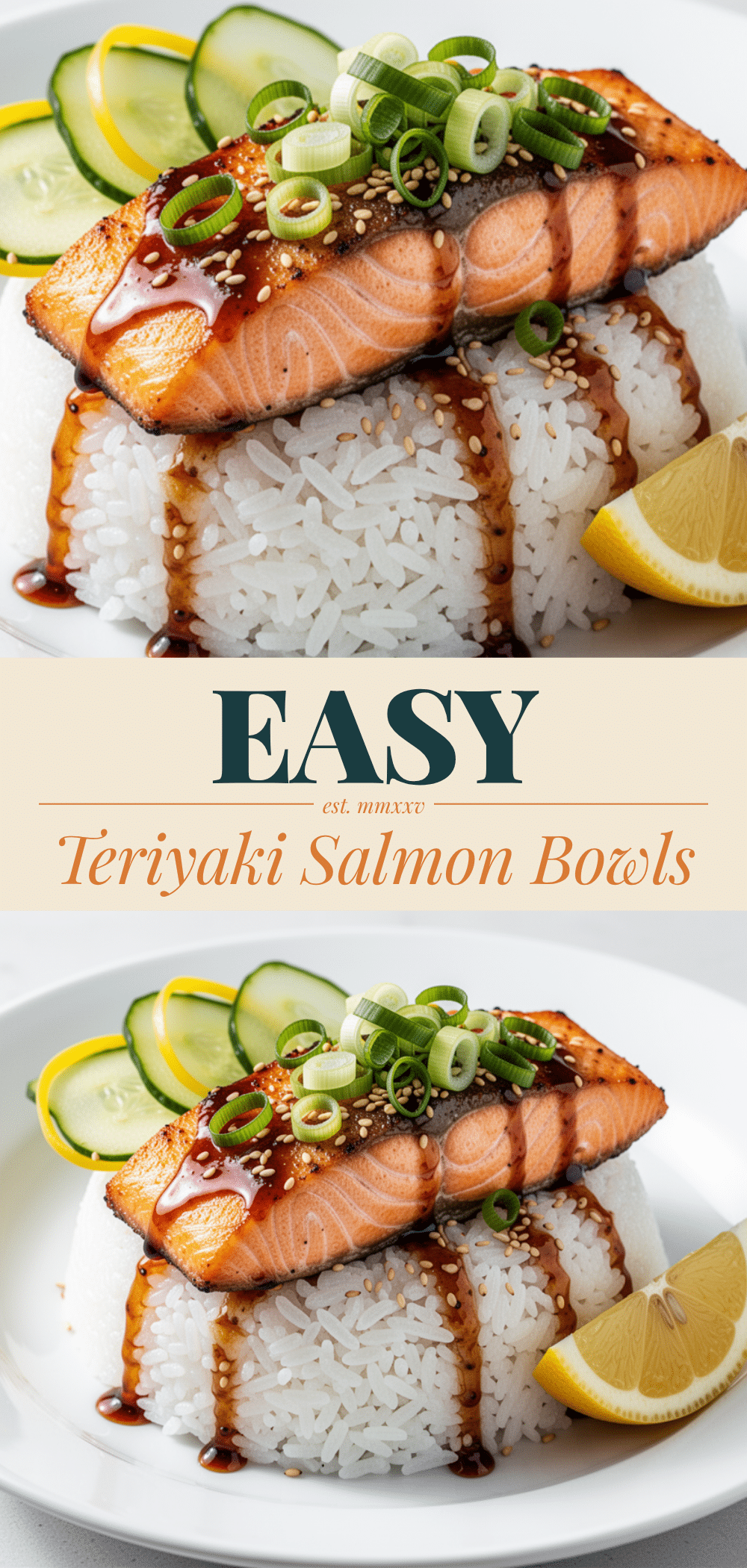
Sweet Teriyaki Salmon Rice Bowls
- Total Time: 25 minutes
- Yield: 4 servings 1x
Description
A quick and healthy 15-minute weeknight dinner featuring seared salmon glazed in a sweet and savory teriyaki sauce, served over fluffy rice with steamed vegetables.
Ingredients
- 4 salmon fillets (about 6oz each)
- 2 tablespoons neutral oil (avocado or canola)
- Salt and pepper to taste
- 1 cup uncooked jasmine rice
- Water for cooking rice
- ½ cup low-sodium soy sauce
- 3 tablespoons honey
- 2 tablespoons rice vinegar
- 3 cloves garlic, minced
- 1 tablespoon fresh ginger, grated
- 2 tablespoons water
- 2 cups steamed vegetables (broccoli, snap peas, or bok choy)
- Optional toppings: sesame seeds, sliced green onions, sriracha
Instructions
- Rinse rice thoroughly until water runs clear. Combine rice and water (1:1.5 ratio) in a pot or rice cooker. Bring to a boil, reduce heat to low, cover, and simmer for 18 minutes. Remove from heat and let sit covered for 10 minutes, then fluff with a fork.
- In a small saucepan over medium heat, whisk together soy sauce, honey, rice vinegar, minced garlic, grated ginger, and 2 tablespoons water. Simmer for 2-3 minutes until slightly thickened. Remove from heat.
- Pat salmon fillets dry with paper towels. Season both sides generously with salt and pepper.
- Heat oil in a 10-inch skillet over medium-high heat. Place salmon in the pan skin-side down (if skin-on). Cook undisturbed for 4-5 minutes until skin is crispy. Flip and cook for another 2-3 minutes until salmon flakes easily but remains moist.
- Reduce heat to low. Pour half the teriyaki sauce into the pan around the salmon. Let bubble for 30 seconds. Flip salmon and brush with remaining sauce. Cook for 30 more seconds to caramelize.
- Divide rice among four bowls. Top each with a piece of glazed salmon and steamed vegetables. Drizzle with remaining sauce and sprinkle with sesame seeds and green onions.
Notes
Pat salmon dry before cooking to ensure a good sear. Do not overcook salmon as it continues to cook after removal from heat. Use low-sodium soy sauce to control saltiness. For leftovers, store in an airtight container in the fridge for up to 3 days. Reheat rice with a splash of water and salmon gently to avoid drying out.
- Prep Time: 10 minutes
- Cook Time: 15 minutes
- Category: Main Course
- Cuisine: Asian Fusion
Nutrition
- Serving Size: 1 salmon fillet, 1 c
- Calories: 450
- Sugar: 12
- Sodium: 650
- Fat: 18
- Saturated Fat: 3
- Carbohydrates: 40
- Fiber: 2
- Protein: 35
Keywords: salmon, teriyaki, rice bowls, healthy dinner, quick meals, weeknight dinner, gluten-free option, high protein