I have a confession to make. For years, I was terrified of cooking salmon. Not because I didn’t like it—I loved the taste—but because every time I tried to make it at home, it ended up either dry as sawdust or, worse, the skin stuck to the pan like it was glued there. I remember one specific Tuesday night about five years ago, I spent twenty minutes scraping burnt fish bits off my favorite skillet, feeling like a total failure while my family waited at the table. I almost ordered pizza. I almost gave up on cooking dinner entirely.
Then I learned the trick. It wasn’t a fancy technique or an expensive piece of equipment. It was just patience. And heat. Specifically, high heat and a very dry fish.
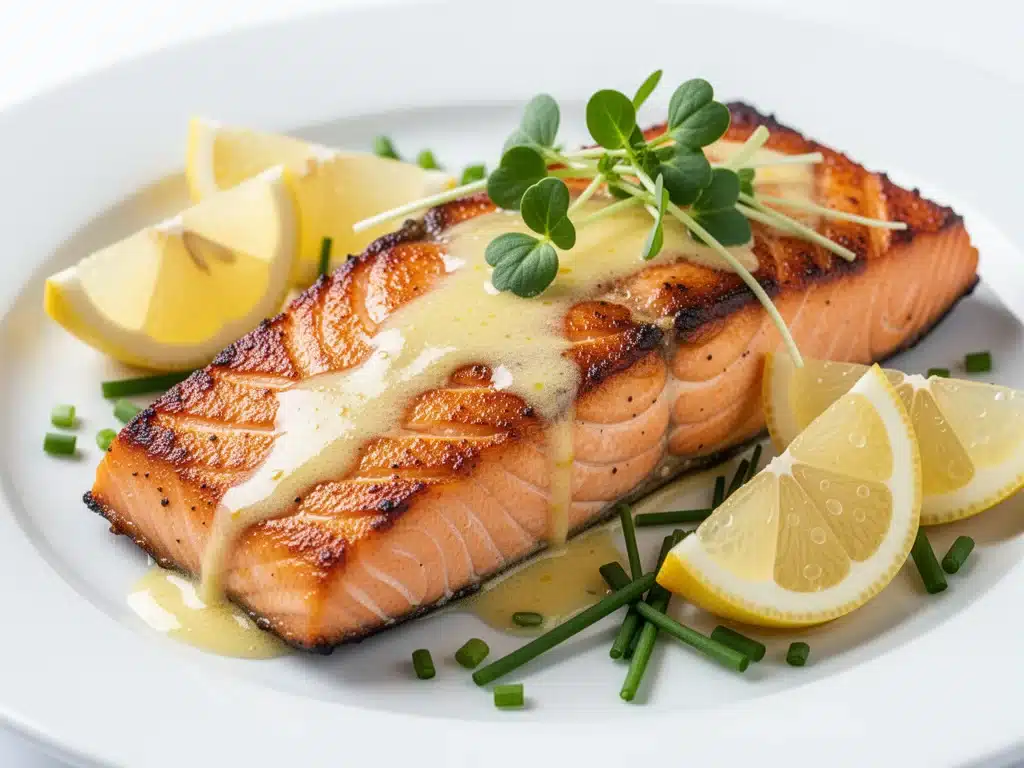
That one lesson changed everything. Now, crispy skin pan-seared salmon is my go-to weeknight dinner when I have exactly 15 minutes and zero desire to stand over a stove for an hour. It’s fancy enough to serve to guests (and I have, many times), but simple enough to throw together on a chaotic Tuesday when I’m exhausted. The skin crackles, the flesh stays moist and flaky, and the whole thing comes together in the time it takes to boil water for pasta.
I’ve tested this method dozens of times—sometimes with expensive wild-caught Alaskan salmon, sometimes with budget-friendly farm-raised fillets from the local supermarket. The result is always the same: restaurant-quality results on your dinner plate. If you’ve been struggling with rubbery fish or soggy skin, this is the method that will finally make you feel like a pro. No more guessing. No more disappointment. Just perfect, golden, crispy salmon.
Why You’ll Love This Recipe
There are about a dozen reasons I keep making this crispy skin pan-seared salmon, but here are the big ones that keep me coming back to it week after week.
- Stupid Simple — Seriously, if you can pat something dry and press a button on your stove, you can make this. I’ve walked my teenage son through it over FaceTime from his dorm room. He nailed it on the first try.
- Lightning Fast — 15 minutes from start to finish, and only 5 of those are active cooking. The rest is just the fish doing its thing in the pan. I make this on weeknights when I get home at 7pm and haven’t planned anything.
- Restaurant Quality — That crispy skin? That’s the part people pay $25 for at restaurants. Making it at home feels like a win. The contrast between the crunchy skin and the tender, flaky flesh is addictive.
- Pantry-Friendly — You probably have all the ingredients already. Salmon, salt, pepper, oil, lemon. That’s it. No weird spices you’ll only use once.
- Healthy & Light — It’s packed with omega-3s and protein, but doesn’t feel heavy. Perfect for those nights when you want to eat well but don’t want to feel sluggish afterward.
- Impressive but Low Stress — My friends think I’m a gourmet chef when I serve this. But honestly? It’s just fish and heat. It’s hard to mess up if you follow the steps.
This is my answer to “what’s for dinner” when I need something fast, healthy, and delicious. No complicated techniques, no weird ingredients, just reliable, high-quality food that makes everyone happy.
Ingredients You’ll Need
Here’s the best part: you probably have most of this already. This crispy skin pan-seared salmon relies on quality ingredients, but it doesn’t require a trip to a specialty market. Keep it simple.
For the Salmon
Salmon fillets (4 fillets, about 6oz each / 170g each) — Look for fillets with the skin on. Skin-on is crucial for this recipe. I prefer wild-caught Alaskan or Sockeye for better flavor, but farm-raised works fine too. The key is uniform thickness—if some pieces are thin and others thick, they’ll cook unevenly.
Neutral oil (2 tablespoons / 30ml) — I use avocado oil or grapeseed oil because they have high smoke points. Olive oil works, but extra virgin can burn at high heat. Don’t use butter for searing; it’ll burn. Save the butter for finishing.
Kosher salt (1 teaspoon / 5g) — I use kosher salt because it’s easier to control. Table salt is too fine and can make the fish too salty quickly. If you only have table salt, use half the amount.
Freshly cracked black pepper (½ teaspoon / 2g) — Freshly cracked is important. Pre-ground pepper loses flavor fast. Get a pepper grinder if you don’t have one. It’s a game-changer.
For the Finish
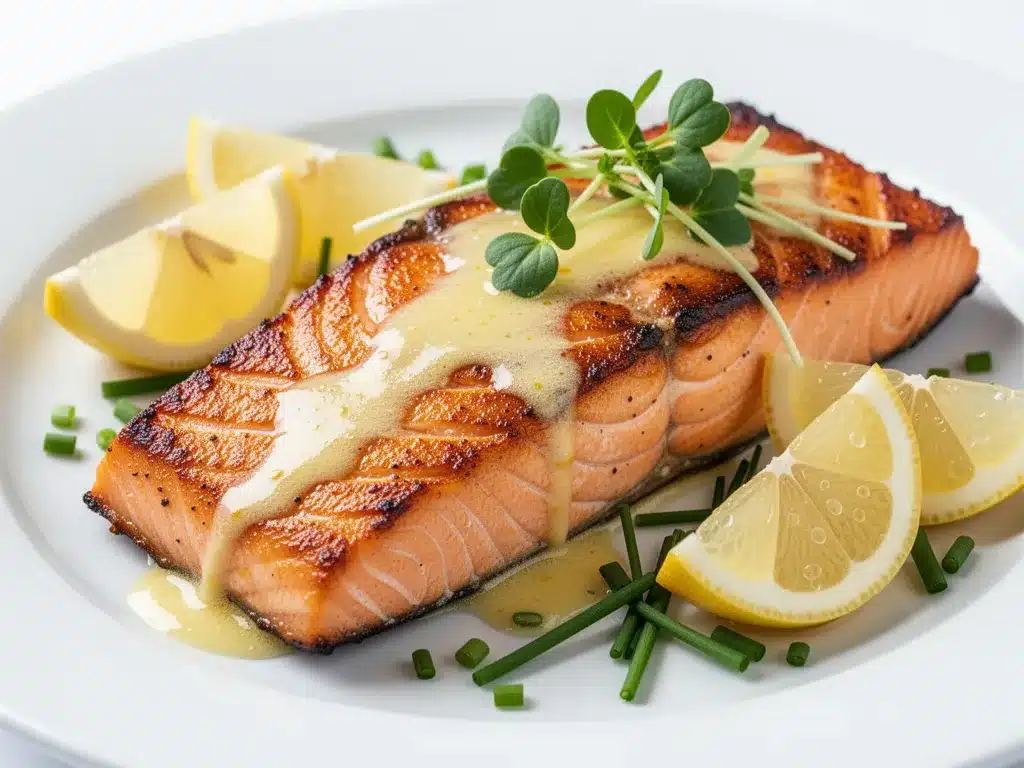
Butter (1 tablespoon / 14g) — Unsalted butter. Added at the very end to baste the fish. Not for searing. This adds richness and helps the seasoning stick.
Lemon (1 lemon, cut into wedges) — Fresh lemon juice brightens everything up. It cuts through the richness of the salmon. Don’t skip this.
Fresh dill or parsley (1 tablespoon, chopped / optional) — I love dill with salmon. It’s classic for a reason. Parsley works too if you’re not a dill fan. Fresh herbs only—dried herbs don’t work here.
Shopping Tips
- Buy the best salmon you can afford. If you’re on a budget, look for sales at Costco or Trader Joe’s. They often have great deals on skin-on fillets.
- Ask the fishmonger. Tell them you’re searing it skin-side down. They’ll cut the fillets evenly and remove any stray bones.
- Keep it cold until you’re ready. Take the salmon out of the fridge 10-15 minutes before cooking. Cold fish hitting a hot pan can cause uneven cooking.
Equipment Needed
You don’t need fancy equipment for this. Here’s what I actually use.
Cast iron skillet — I use a 10-inch cast iron skillet. It holds heat incredibly well, which is crucial for getting that crispy skin. Stainless steel works too, but cast iron is my favorite. Non-stick? Skip it. You won’t get the same crispiness.
Slotted spatula — You need a thin, flexible spatula to slide under the fillets without tearing the skin. A regular metal spatula works, but a slotted one is better for draining excess oil.
Paper towels — You’ll need plenty of these to dry the fish. This is the most important step.
Tongs — For handling the fillets if you’re flipping them (though you won’t need to flip much).
Measuring spoons — Pretty standard stuff. Dollar store versions work fine.
Optional but nice:
- Thermometer — I use an instant-read thermometer to check for doneness. Salmon is done at 125°F (52°C) for medium-rare, or 145°F (63°C) for well-done. I prefer medium-rare for best texture.
- Lemon juicer — Those little handheld squeezers make it easier to get juice out of the lemon without seeds.
How to Make It: Step-by-Step
Alright, let’s make this! I’m walking you through exactly how I do it, including the little tricks I’ve picked up. This crispy skin pan-seared salmon takes about 15 minutes total.
Step 1: Prep the Salmon (5 minutes)
Take your salmon fillets out of the fridge. Pat them completely dry with paper towels. I mean completely. Dry the top, the sides, and especially the skin. If the skin is wet, it will steam instead of crisp. Use fresh paper towels as soon as they get wet. This step is non-negotiable. I’ve made this mistake before, and wet skin = soggy skin. Don’t do it.
Season both sides generously with kosher salt and freshly cracked black pepper. Don’t be shy with the salt—it seasons the fish, not just the surface. Set the seasoned fillets aside while you heat the pan.
Step 2: Heat the Pan (2 minutes)
Place your cast iron skillet over medium-high heat. Let it get hot. I mean really hot. You want the oil to shimmer and almost smoke slightly. This usually takes 2-3 minutes. If you’re unsure, flick a drop of water into the pan. If it sizzles and evaporates immediately, it’s ready.
Once the pan is hot, add the neutral oil. Swirl it around to coat the bottom. Wait 30 seconds for the oil to heat up. You want the oil hot, not just the pan.
Step 3: Sear the Skin (6-7 minutes)
Here’s the moment of truth. Place the salmon fillets in the pan skin-side down. Lay them away from you to avoid splashing hot oil. They should sizzle loudly when they hit the pan. If they’re not sizzling, the pan isn’t hot enough. Start over.
Do not touch them. This is the hardest part. Resist the urge to peek or move them. Let them cook undisturbed for 6-7 minutes. The skin will turn golden and crispy. You’ll see the edges of the fish start to turn opaque and cook up the sides. This is your visual cue that it’s ready to flip (though you might not even need to flip).
Press down gently on the fillets with your spatula after 2 minutes. This ensures even contact between the skin and the pan, preventing curling. Keep pressing gently every minute or so.
Step 4: Flip and Finish (2-3 minutes)
After 6-7 minutes, check the underside. The skin should be deeply golden and release easily from the pan. If it sticks, it’s not ready. Give it another minute.
Flip the fillets. Add the tablespoon of butter to the pan. Tilt the pan slightly and spoon the melted butter over the fish. This basting adds flavor and helps cook the top evenly.
Cook the flesh side for 2-3 minutes, depending on thickness. For a 6oz fillet, 2 minutes is usually enough. The fish should be opaque and flake easily with a fork. If you’re using a thermometer, aim for 125°F (52°C) for medium-rare.
Step 5: Serve (1 minute)
Remove the salmon from the pan and let it rest for 1 minute. This allows the juices to redistribute. Serve immediately with lemon wedges and fresh dill. The skin should still be crispy—don’t let it sit too long or it’ll soften.
Total Time: About 15 minutes (5 minutes prep, 10 minutes cooking)
Expert Tips & Tricks
Here’s everything I’ve learned from making this crispy skin pan-seared salmon dozens of times. These tips will save you from my mistakes.
The Dryness Rule
I can’t stress this enough: dry fish = crispy skin. Wet fish = soggy skin. Pat it dry. Then pat it dry again. If you’re in a hurry, let the fillets sit uncovered in the fridge for 30 minutes before cooking. This air-dries the surface even more. It’s worth the extra time.
Hot Pan, Cold Fish
Take the fish out of the fridge 10-15 minutes before cooking. Cold fish hitting a hot pan causes the proteins to contract quickly, which can lead to uneven cooking. Room temperature fish cooks more evenly.
Don’t Crowd the Pan
Give each fillet space. If you’re cooking for four, use a large skillet. If you’re cooking for six, cook in batches. Crowding the pan lowers the temperature and steams the fish instead of searing it.
Listen to the Sizzle
A loud, vigorous sizzle means the pan is hot enough. A quiet sizzle means it’s not. Adjust your heat accordingly. I usually start on medium-high and adjust if needed.
Press Down Gently
Skin tends to curl up when it hits heat. Pressing down gently with your spatula keeps it flat against the pan, ensuring even crisping. Do this for the first 2-3 minutes of cooking.
Common Mistakes (and how to avoid them)
- Mistake: Skin sticks to the pan
Fix: The pan wasn’t hot enough, or the fish wasn’t dry enough. Next time, let the pan get hotter and dry the fish more thoroughly. - Mistake: Fish is overcooked
Fix: Cook for less time. Salmon cooks quickly. 2-3 minutes on the flesh side is usually enough for a 6oz fillet. - Mistake: Skin isn’t crispy
Fix: Use more oil, ensure the pan is very hot, and don’t flip too early. Patience is key.
Variations & Substitutions
Once you’ve nailed the basic version, here’s how you can mix it up. I’ve tried all of these.
Honey Garlic Glaze
Mix 2 tablespoons honey, 1 tablespoon soy sauce, and 1 minced garlic clove. Brush onto the fish during the last minute of cooking. Sweet, savory, and delicious.
Lemon Herb Butter
Add zest of 1 lemon and 1 tablespoon chopped fresh parsley to the butter before basting. Bright and fresh.
Spicy Salmon
Add ½ teaspoon cayenne pepper and 1 teaspoon smoked paprika to the seasoning. Spicy and smoky.
Teriyaki Salmon
Brush with teriyaki sauce during the last 2 minutes of cooking. Sweet and salty.
Dietary Modifications
- Gluten-Free — This recipe is naturally gluten-free. Just ensure your soy sauce (if using) is gluten-free.
- Dairy-Free — Skip the butter. Use olive oil for basting instead.
- Low-Carb — Serve with roasted vegetables or cauliflower rice instead of rice or potatoes.
Serving & Storage
How to Serve
I usually serve this straight from the skillet at the dinner table—it looks rustic and stays warm. But here are other ways I’ve enjoyed it:
- Over rice — Jasmine or brown rice works great. The salmon juices soak into the rice.
- With roasted veggies — Asparagus, broccoli, or green beans are perfect companions.
- In a salad — Flake the salmon over a mixed green salad with avocado and citrus vinaigrette.
- In a wrap — Put it in a whole wheat tortilla with slaw and sriracha mayo.
Storage Instructions
Refrigerator: Store in an airtight container for up to 3 days. The skin will soften, but the fish will still taste good.
Reheating: Best method: Reheat gently in a skillet over low heat. Add a splash of water or broth to keep it moist. Microwave method: Heat in 30-second intervals, stirring between. It can get rubbery if overheated.
Freezing: I don’t recommend freezing cooked salmon. It loses texture. Freeze raw fillets instead, wrapped tightly in plastic and foil.
Nutrition Information
I’m not a nutritionist, but here’s the breakdown if you’re tracking.
Per Serving (based on 4 servings):
- Calories: 320
- Protein: 34g
- Carbs: 2g
- Fiber: 0g
- Sugar: 0g
- Fat: 20g
- Saturated Fat: 5g
- Cholesterol: 95mg
- Sodium: 380mg
- Omega-3s: 2g
What’s Good: High in protein, rich in omega-3 fatty acids, low in carbs. Great for heart health.
What to Know: Higher in calories from the oil and butter. Contains dairy (butter). Moderate sodium (use low-sodium soy sauce if using variations).
My Take: Look, this is healthy comfort food. It’s not a diet recipe, but it’s nutrient-dense and satisfying. When I want to make it lighter, I skip the butter and use less oil. But usually? I just eat a reasonable portion and enjoy it.
Final Thoughts
So that’s my crispy skin pan-seared salmon! I’ve probably talked your ear off at this point, but when you make a recipe this often, you have a lot to say about it.
This has saved weeknight dinners more times than I can count. It’s my answer to “what’s for dinner” when I’m tired, don’t want takeout, and still want something that tastes really good. My kids are happy, my husband’s happy, and I’m happy because I’m not stressed about cooking.
Make it yours! Try different glazes, swap in your favorite vegetables, adjust the seasoning. The best recipes are the ones you adapt to your family’s tastes.
If you make this, drop a comment and let me know what you think! I love hearing how recipes turn out in your kitchen. And if something doesn’t work, tell me that too—I’m here to help troubleshoot.
Happy cooking! And I hope your kitchen smells half as good as mine does right now.
Frequently Asked Questions
Q: Can I use frozen salmon?
A: You can, but thaw it completely first. Pat it dry thoroughly. Frozen salmon releases more water, so drying is even more critical. I prefer fresh, but frozen works in a pinch.
Q: Why did my skin stick to the pan?
A: The pan wasn’t hot enough, or the fish wasn’t dry enough. Next time, let the pan get hotter and dry the fish more thoroughly. Also, don’t move the fish until it releases naturally.
Q: How do I know when the salmon is done?
A: Use a thermometer. 125°F (52°C) for medium-rare, 145°F (63°C) for well-done. Or check visually: the flesh should be opaque and flake easily with a fork.
Q: Can I flip the salmon?
A: Yes, but only once. Flip it after the skin is crispy. Don’t flip it multiple times—it disrupts the cooking process.
Q: What oil should I use?
A: Avocado oil, grapeseed oil, or vegetable oil. Avoid butter or extra virgin olive oil for searing—they burn at high heat.
Q: Can I make this ahead?
A: No. Salmon is best cooked fresh. The skin loses crispiness if stored. Prep the fish ahead, but cook it just before serving.
Q: How do I reheat leftovers?
A: Gently in a skillet over low heat. Add a splash of water or broth. Avoid the microwave—it makes the fish rubbery.
Pin This Recipe!
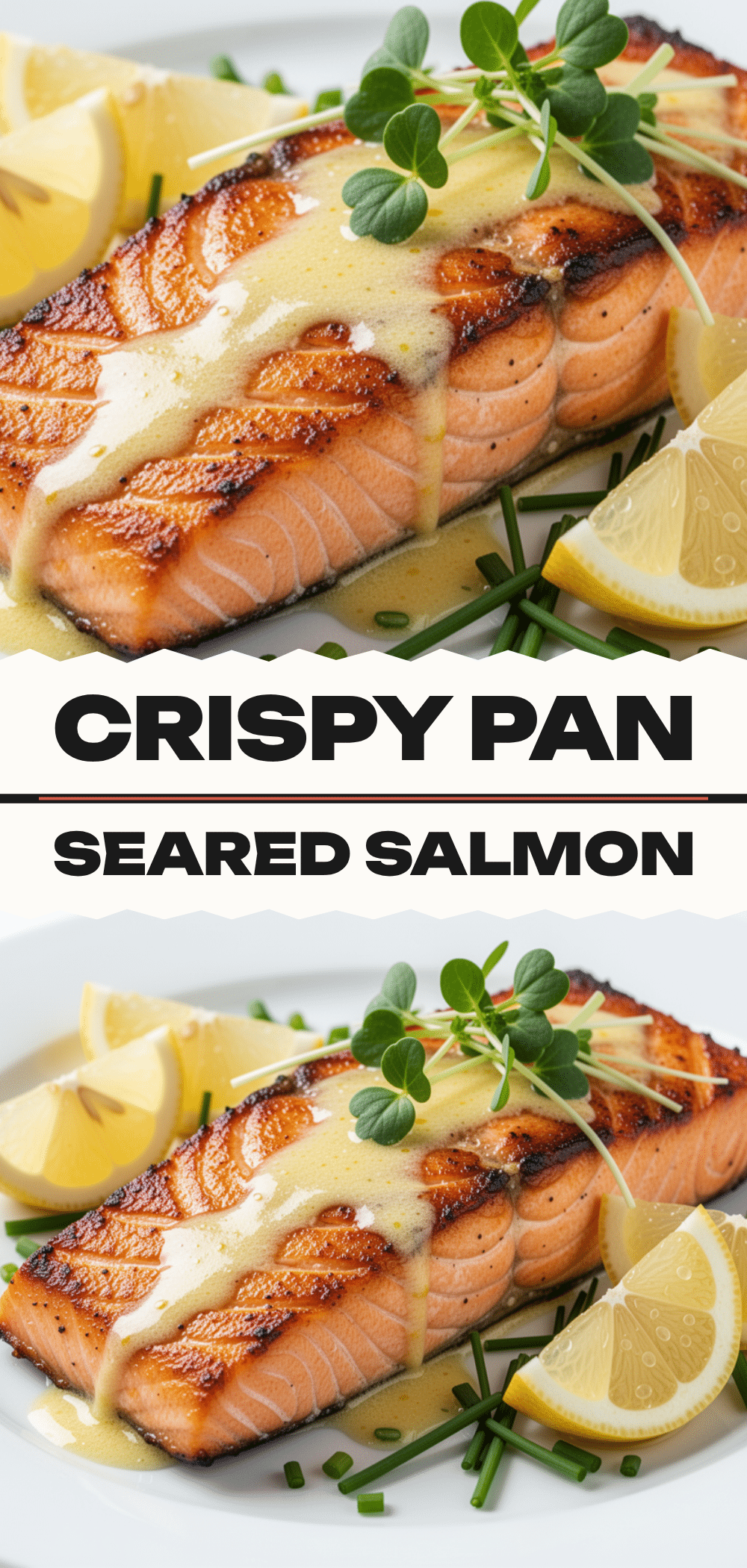
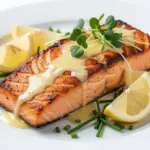
Crispy Skin Pan-Seared Salmon
- Total Time: 15 minutes
- Yield: 4 servings 1x
Description
A quick and easy 15-minute weeknight dinner featuring salmon fillets with perfectly golden, crispy skin and moist, flaky flesh. This restaurant-quality dish requires minimal ingredients and simple techniques for reliable results.
Ingredients
- 4 salmon fillets (about 6oz each / 170g each), skin-on
- 2 tablespoons neutral oil (avocado or grapeseed)
- 1 teaspoon kosher salt
- ½ teaspoon freshly cracked black pepper
- 1 tablespoon unsalted butter
- 1 lemon, cut into wedges
- 1 tablespoon fresh dill or parsley, chopped (optional)
Instructions
- Take salmon fillets out of the fridge 10-15 minutes before cooking to bring to room temperature.
- Pat the salmon fillets completely dry with paper towels, ensuring the skin is very dry.
- Season both sides generously with kosher salt and freshly cracked black pepper.
- Place a cast iron skillet over medium-high heat and let it get hot for 2-3 minutes until the oil shimmers.
- Add neutral oil to the pan and wait 30 seconds for it to heat up.
- Place salmon fillets in the pan skin-side down, laying them away from you to avoid splashing.
- Do not touch the fish for 6-7 minutes. Press down gently with a spatula every minute to ensure even contact.
- Check that the skin is deeply golden and releases easily from the pan.
- Flip the fillets and add butter to the pan.
- Tilt the pan and spoon melted butter over the fish to baste.
- Cook the flesh side for 2-3 minutes until opaque and flaky (internal temp 125°F for medium-rare).
- Remove from pan and let rest for 1 minute.
- Serve immediately with lemon wedges and fresh herbs.
Notes
[‘Dryness is crucial: wet skin will steam instead of crisp. Pat the fish dry thoroughly.’, ‘Ensure the pan is very hot before adding oil to prevent sticking.’, ‘Do not move the fish while searing the skin side; let it release naturally.’, ‘Room temperature fish cooks more evenly than cold fish.’, ‘Do not crowd the pan; cook in batches if necessary to maintain high heat.’]
- Prep Time: 5 minutes
- Cook Time: 10 minutes
- Category: Main Course
- Cuisine: American
Nutrition
- Serving Size: 1 fillet (6oz)
- Calories: 320
- Sodium: 380
- Fat: 20
- Saturated Fat: 5
- Carbohydrates: 2
- Protein: 34
Keywords: salmon, crispy skin, pan-seared, quick dinner, healthy, omega-3, weeknight meal, gluten-free, keto-friendly